

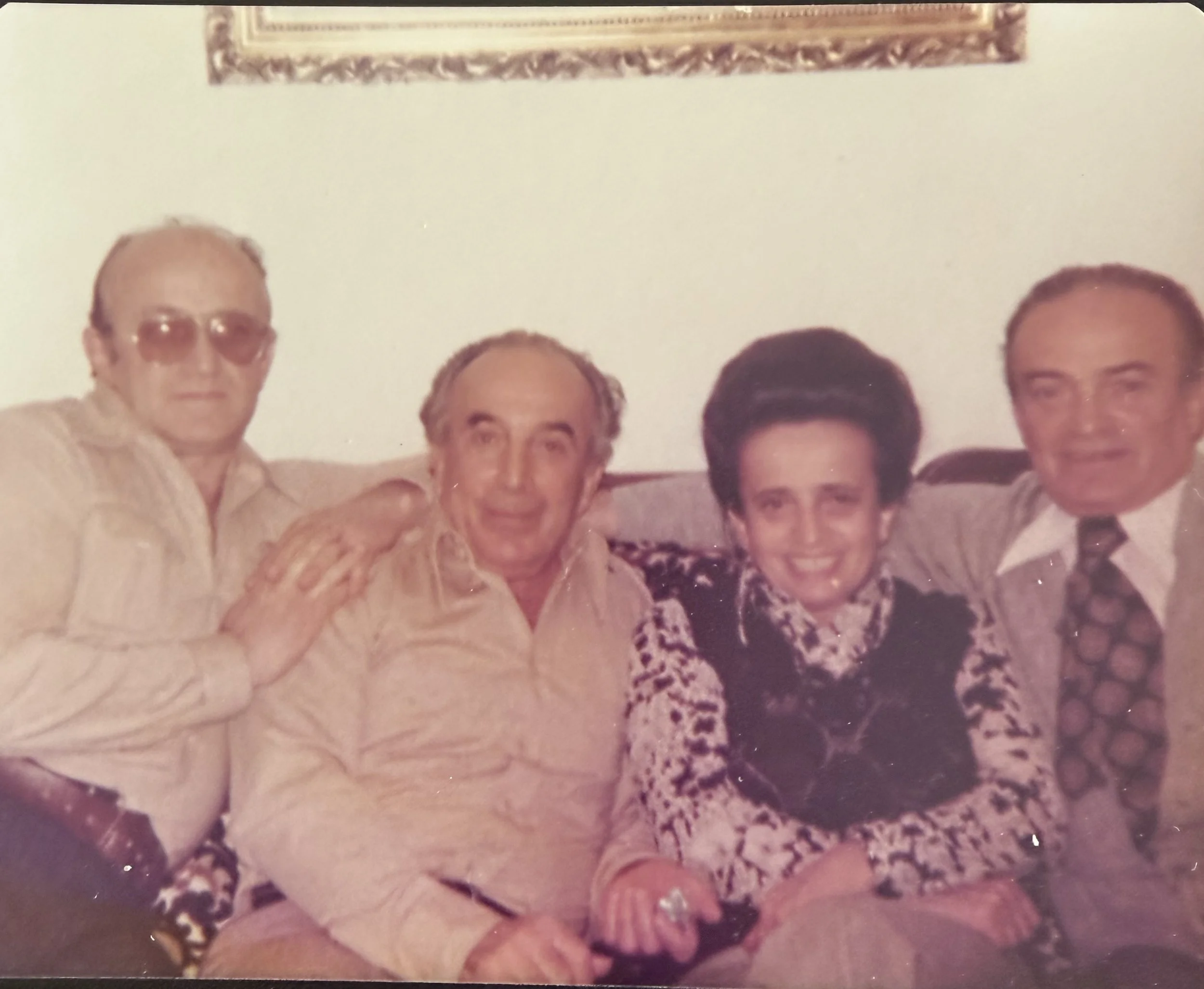
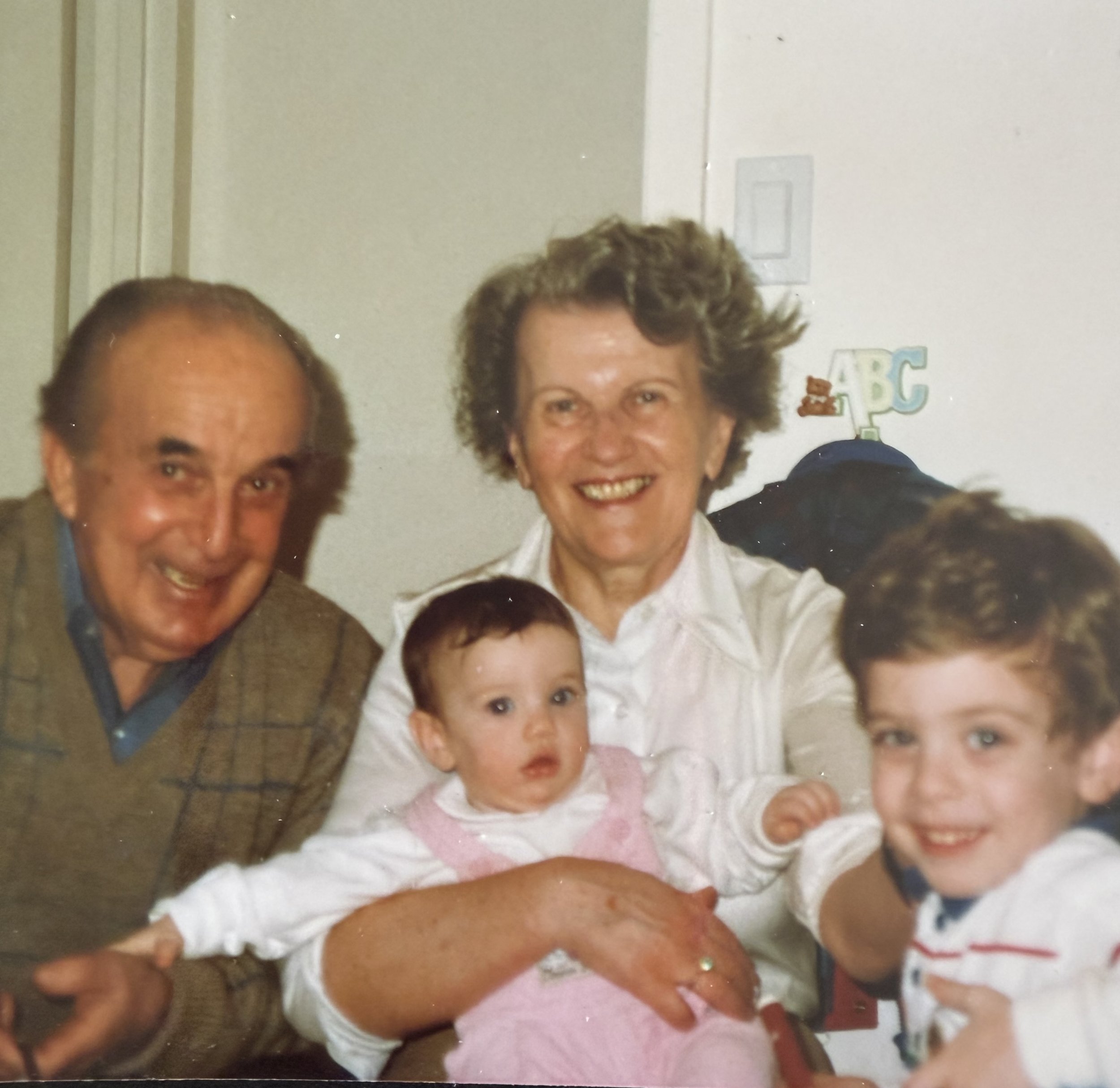
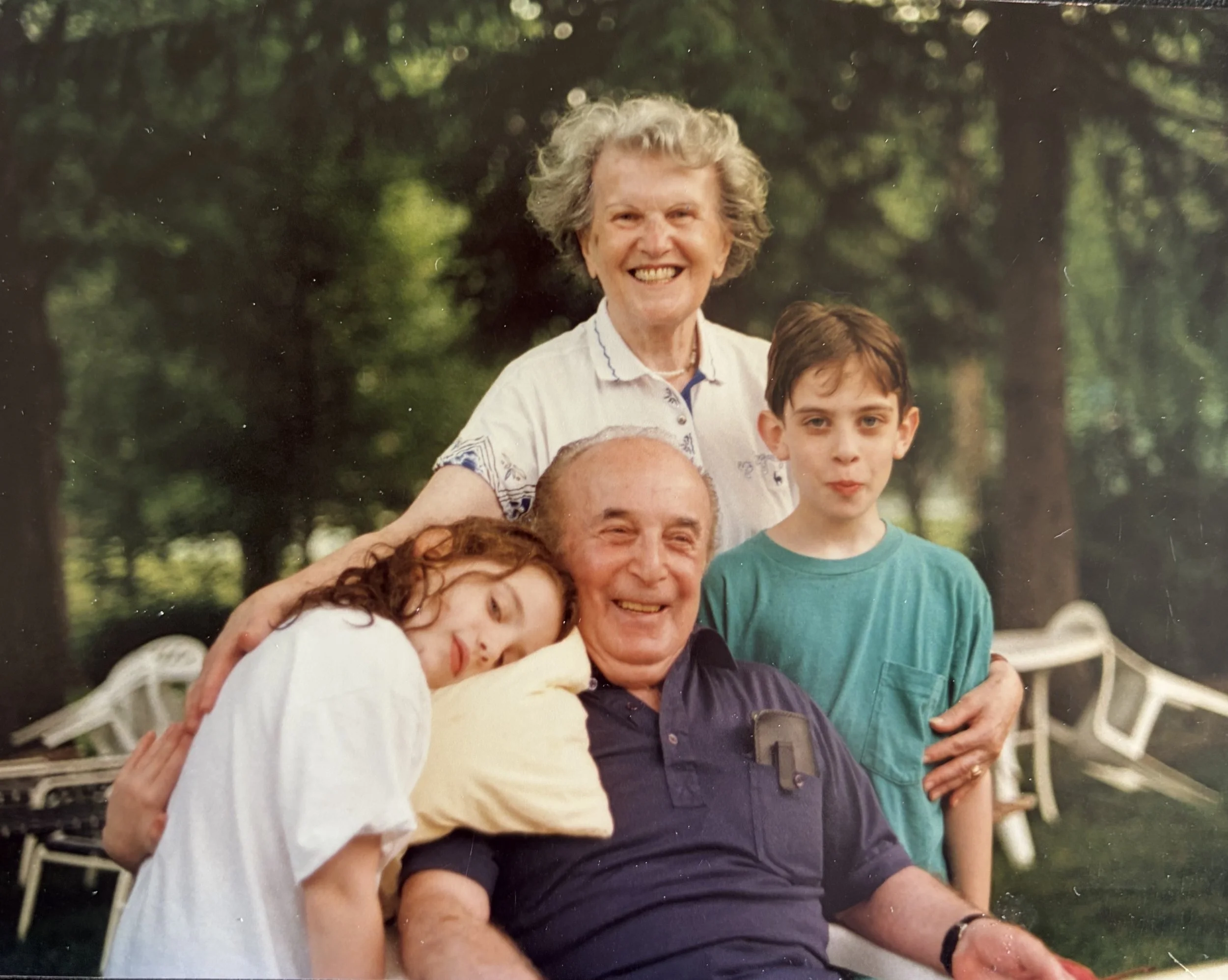
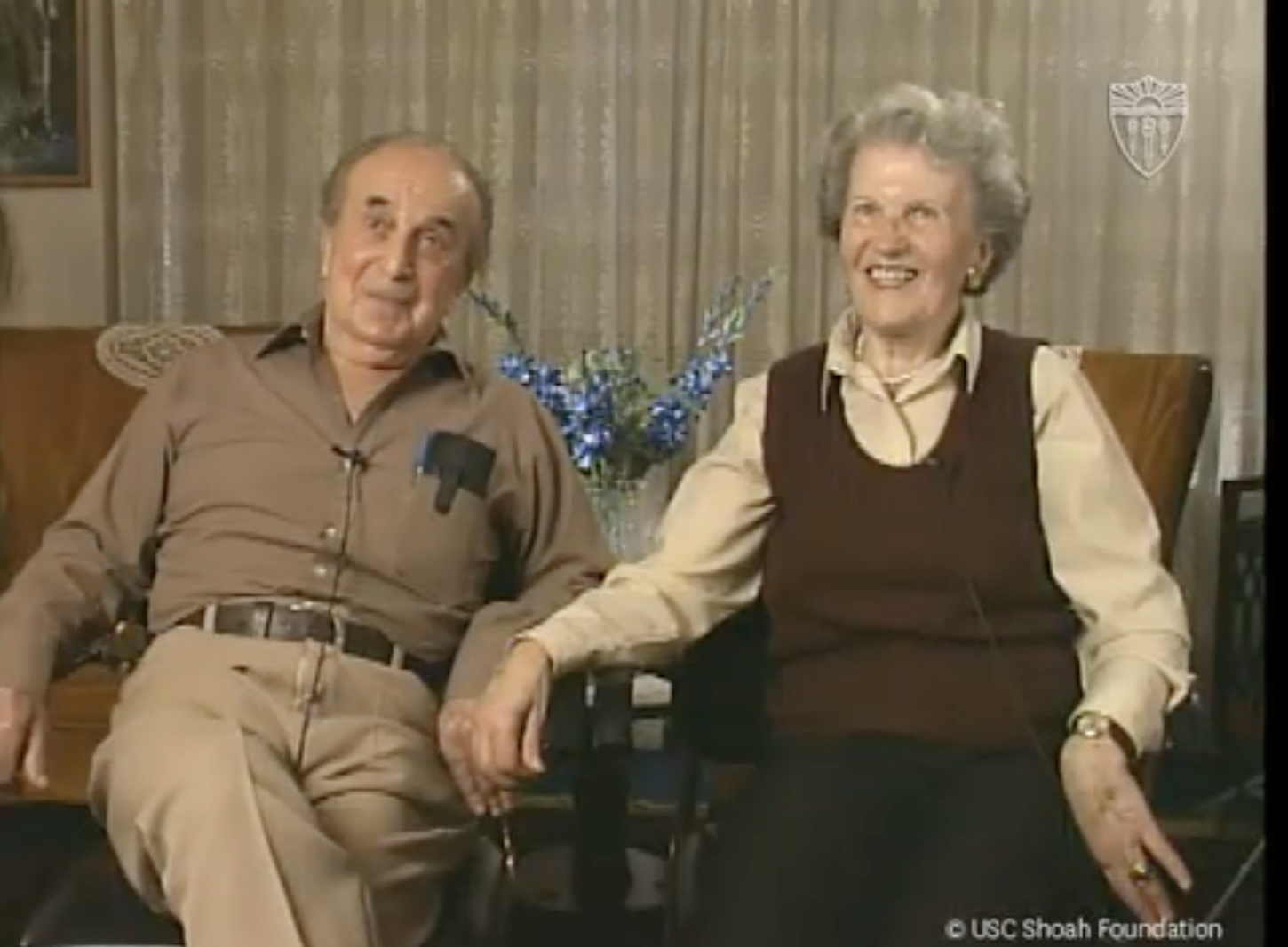
Charlotte and Ernest Neufeld
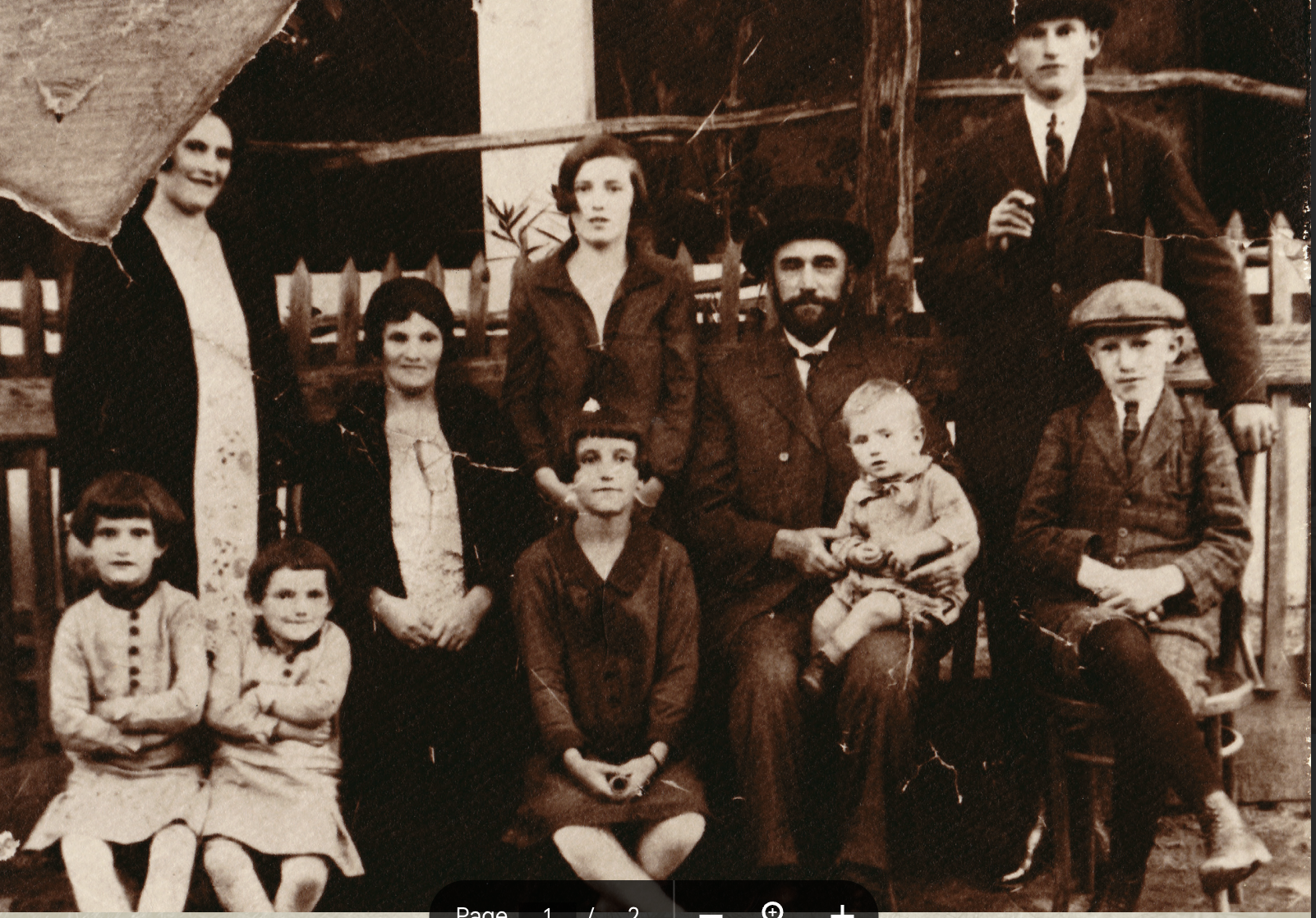
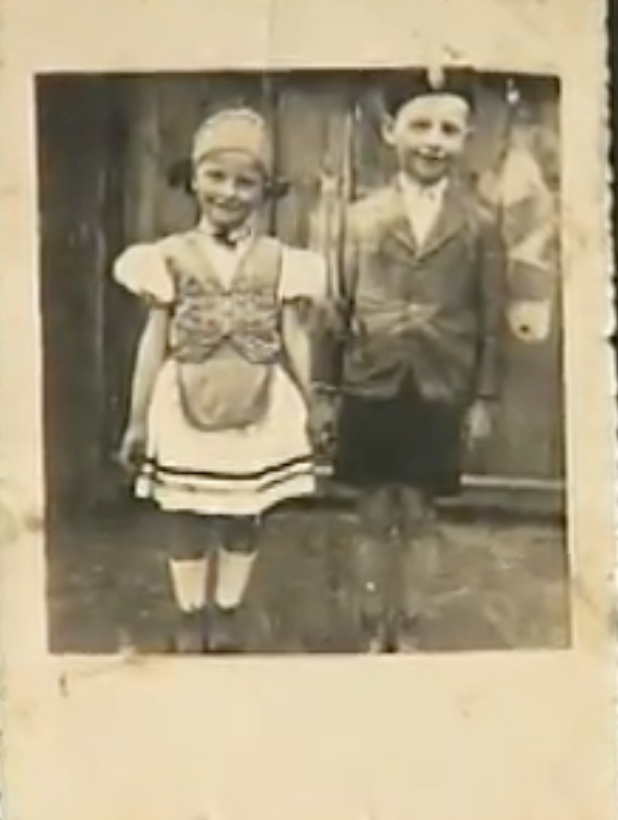
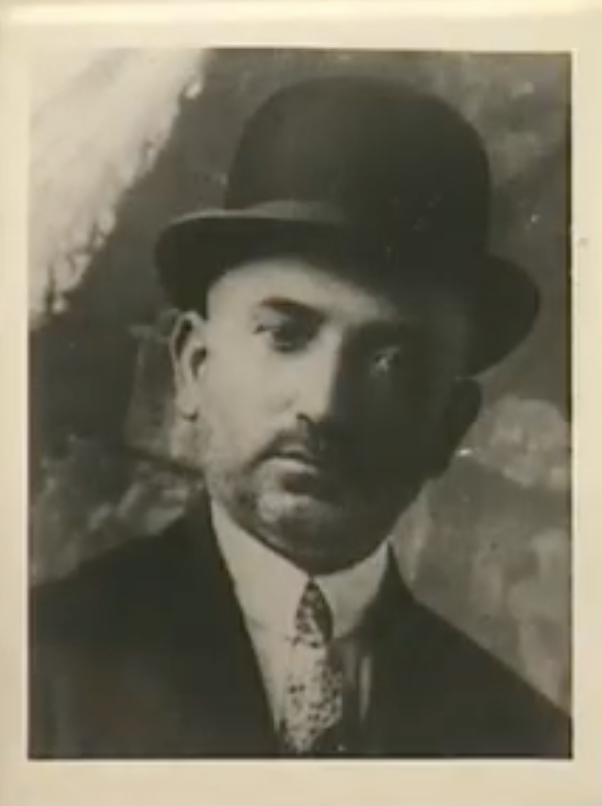
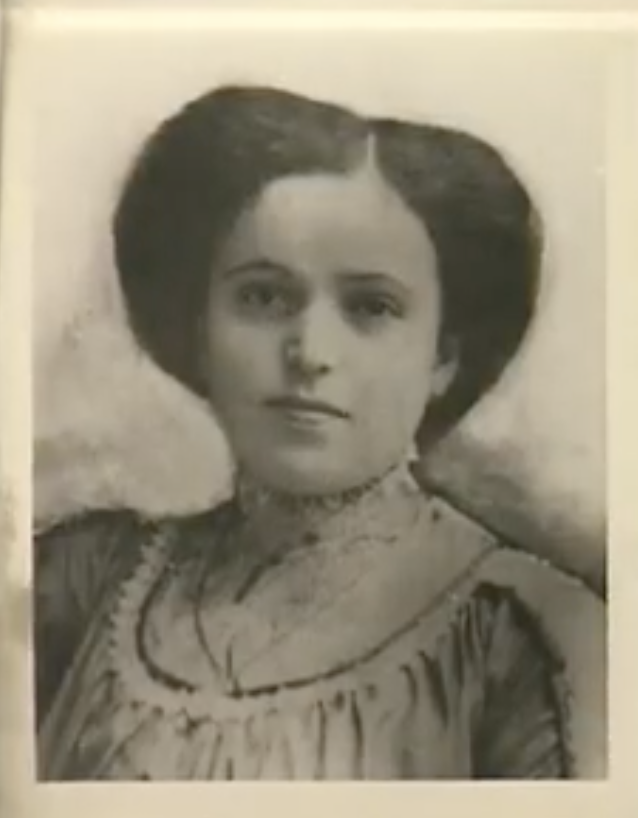
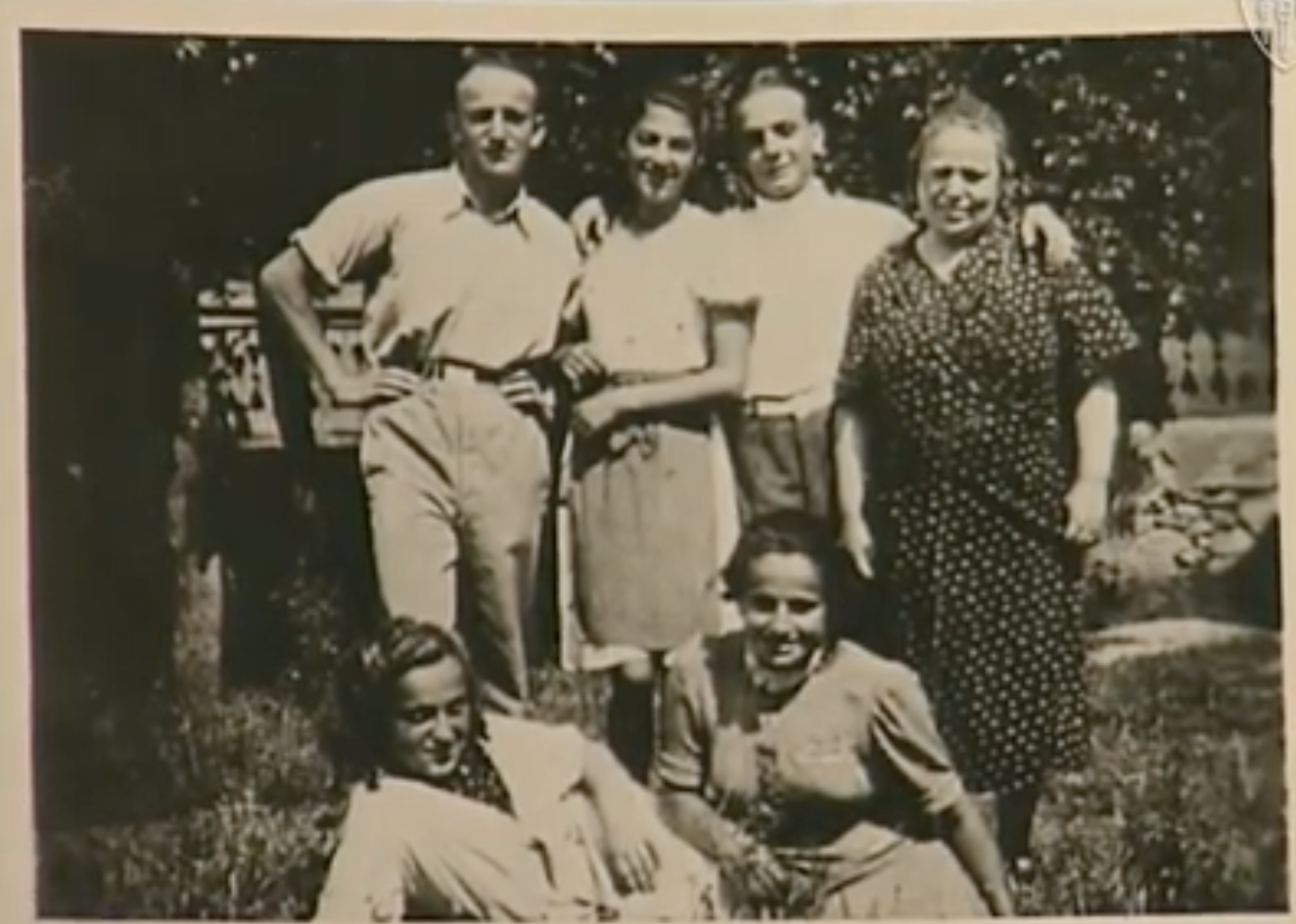
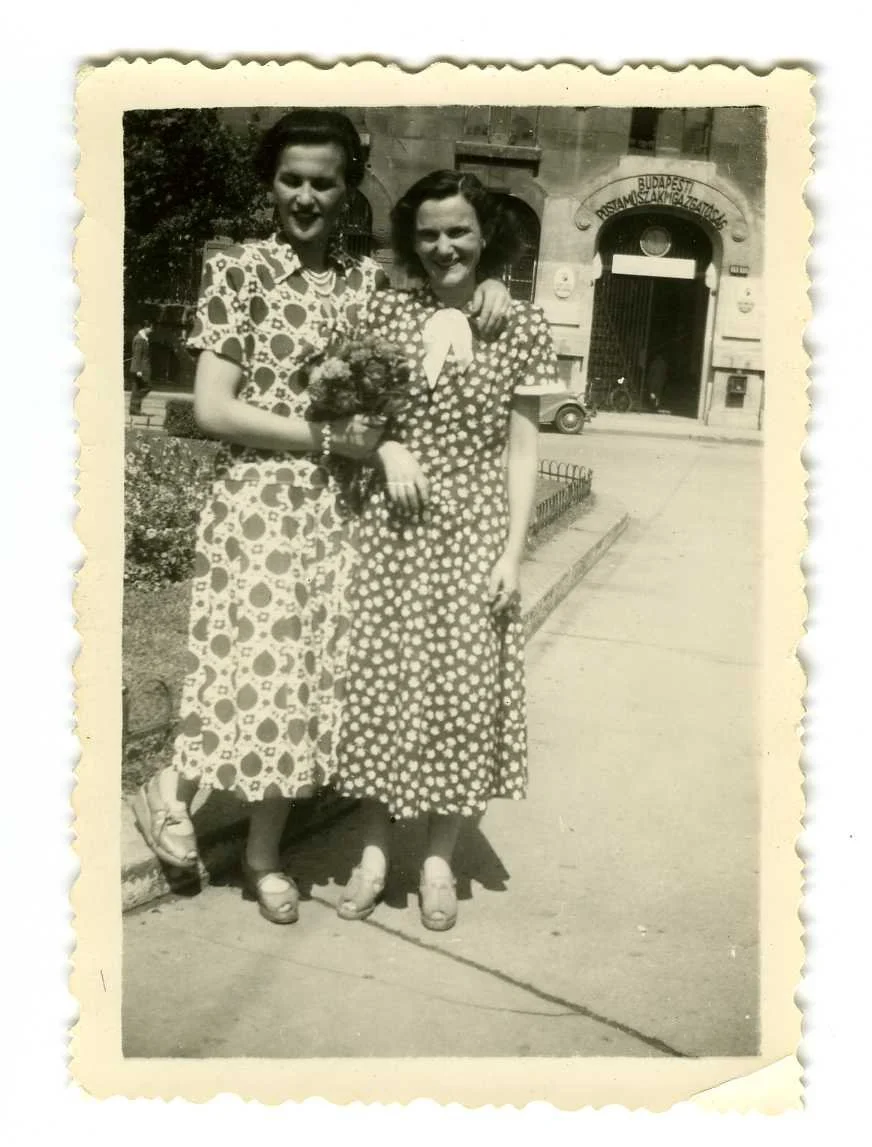
Charlotte (“Sari”) Neufeld was born on September 26, 1919, in Dunkovica, Czechoslovakia, to Sarah (Blobstein), known as Zali, and Yitzchak, known as Ignac, Iczkovics. The sixth of eight children, Charlotte had two older brothers and three older sisters — Maurice, Lenke, Dora, Lajos, and Berta — as well as a younger sister, Irene, and younger brother Ernest.
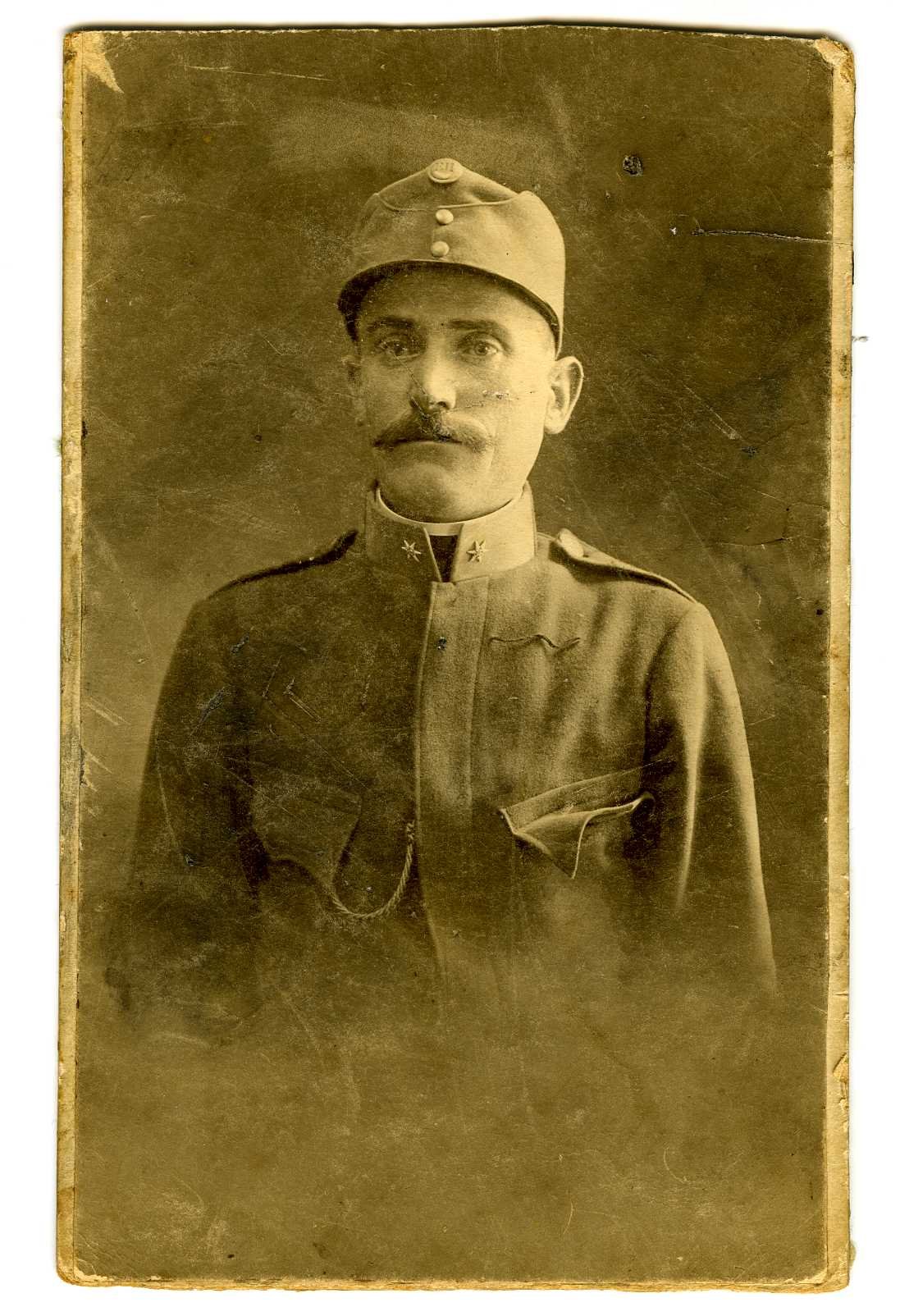
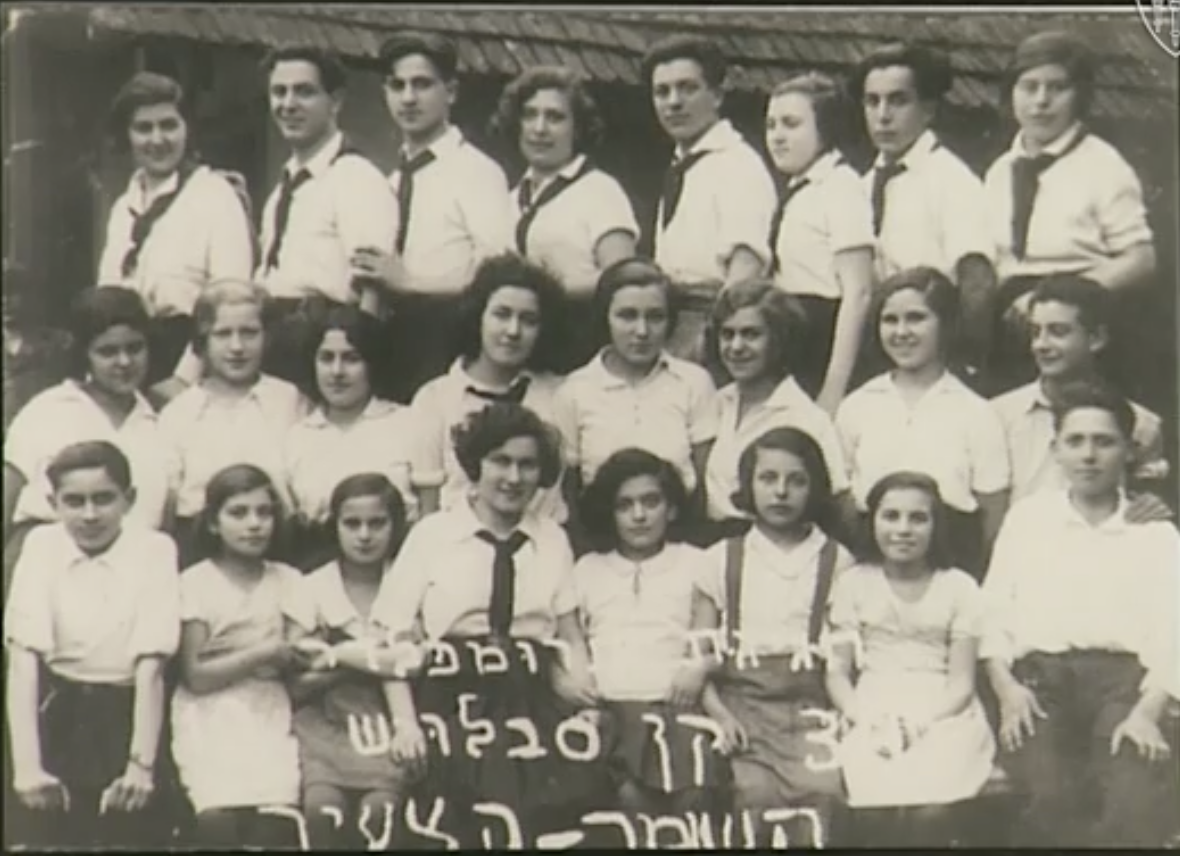
Shortly after Charlotte was born, her family moved to Berehovo (also known by its Hungarian name, Beregszasz), where they lived in a large house on land with a vineyard and garden. Her father, a World War I veteran, was a merchant who sold hay, mostly supplying the Czech government. Affiliated with the Hungarian Neolog movement, the family followed traditional Jewish practice, keeping a kosher home, shabbat, and holidays, while embracing modern sensibilities. Both parents spoke Yiddish, though they communicated in Hungarian at home. Her mother also knew Hebrew so people would often ask her to help them find passages in the prayer book at synagogue. Charlotte was an excellent student in addition to being a gifted violinist.
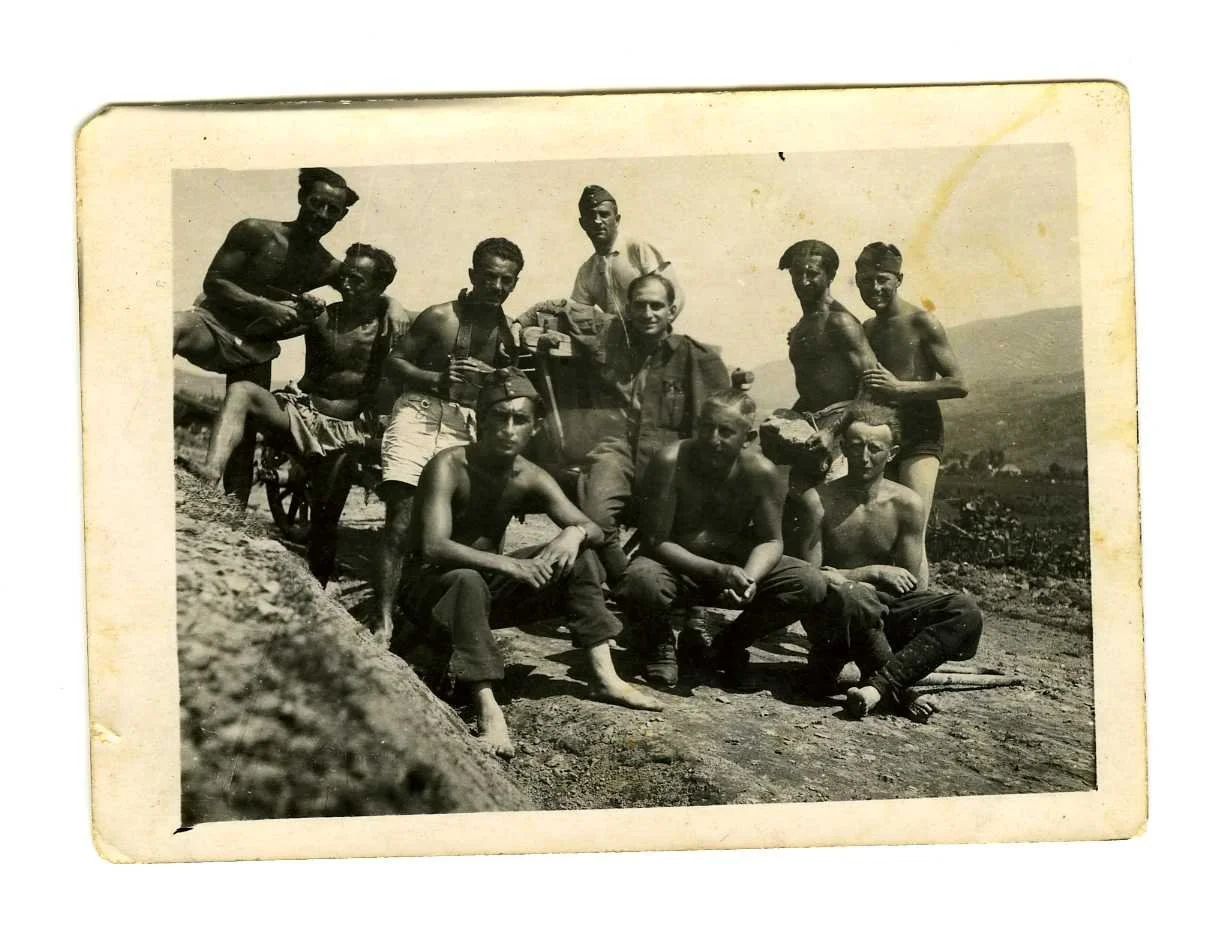
This comfortable life fell apart in March 1939, when Hungary, an ally of Nazi Germany, annexed the region in Czechoslovakia where they lived. Antisemitic measures were instituted and younger, able-bodied men were conscripted into forced labor, among them Charlotte’s brothers. The situation became even graver after the Nazis invaded Hungary in March 1944. A few weeks later, the city’s Jews were forced into a local brick factory, where thousands were crowded with limited food, and water, and lacking the means for basic hygiene. In the middle of May, this makeshift ghetto was liquidated, its inhabitants packed into cramped and airless cattle cars and deported to Auschwitz.
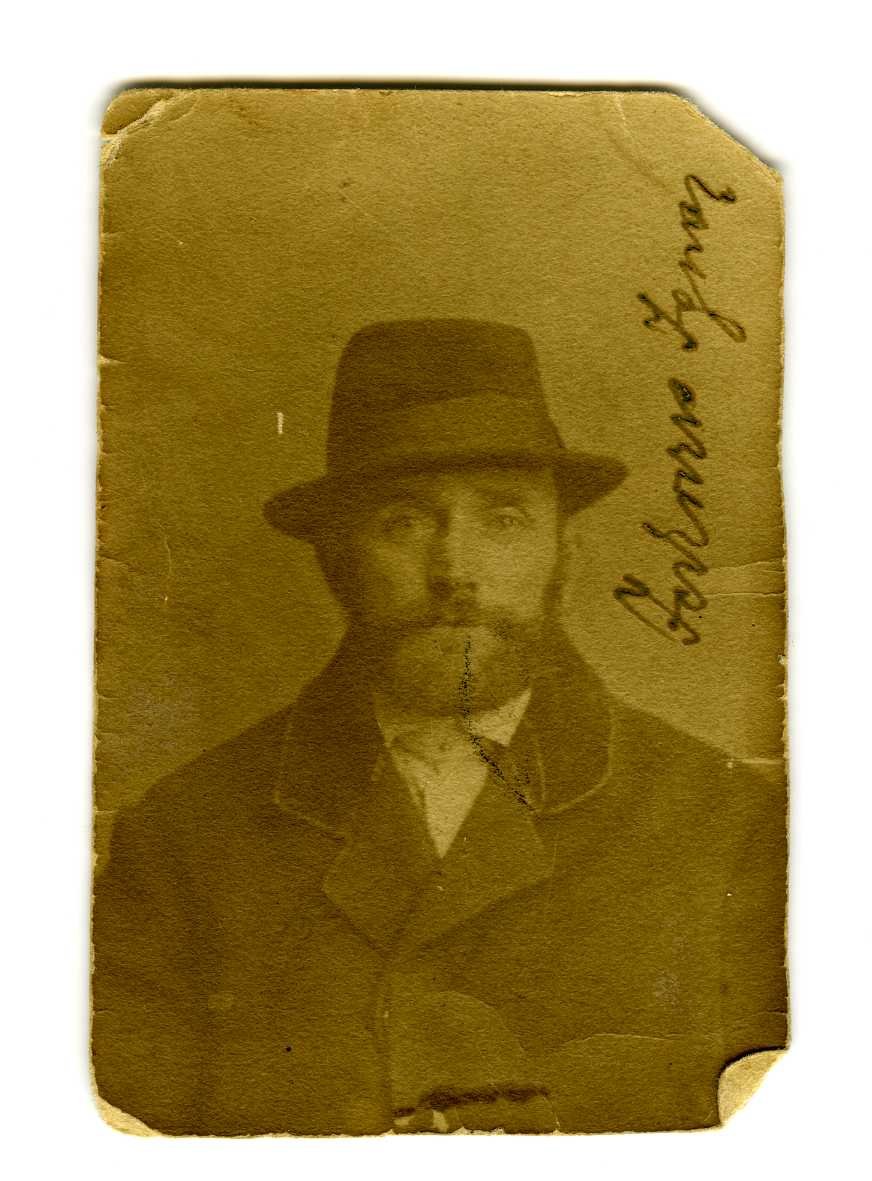
As young single women without children, Charlotte and Irene passed the initial selection at Auschwitz and managed to stay together. However, their parents, along with Lenke and her children, Lily, Miklos and Gustave Jakubovits, Berte and her daughter Juji, and Dora’s children, Joseph and Lili Moldovan, were murdered upon their arrival at Auschwitz in the spring of 1944. Dora survived because a relative insisted on taking the children when she sensed that only able-bodied people were being spared. Maurice, Lajos and Erno also survived, although Maurice died shortly after liberation from typhus, and four of his five children also perished.
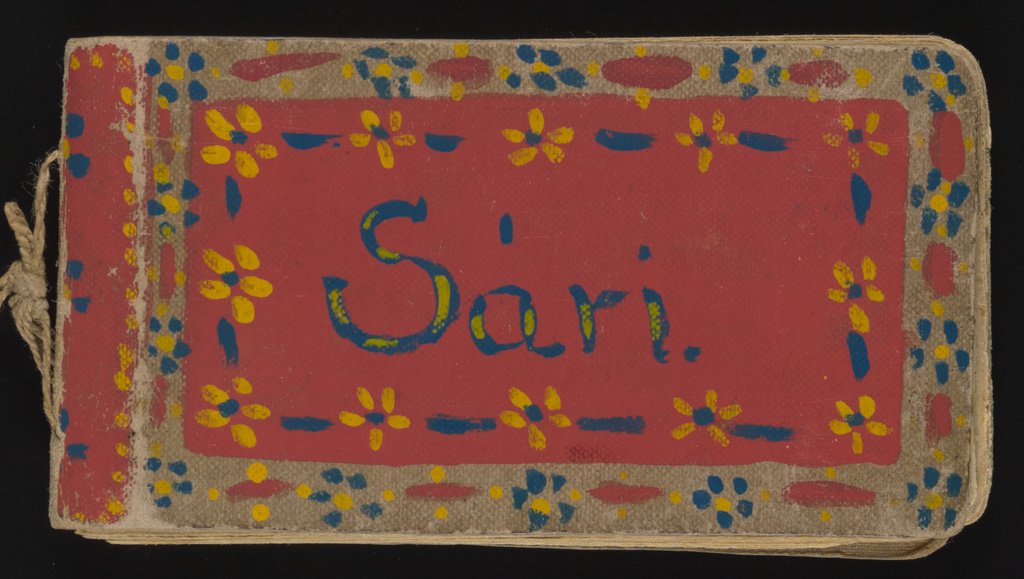
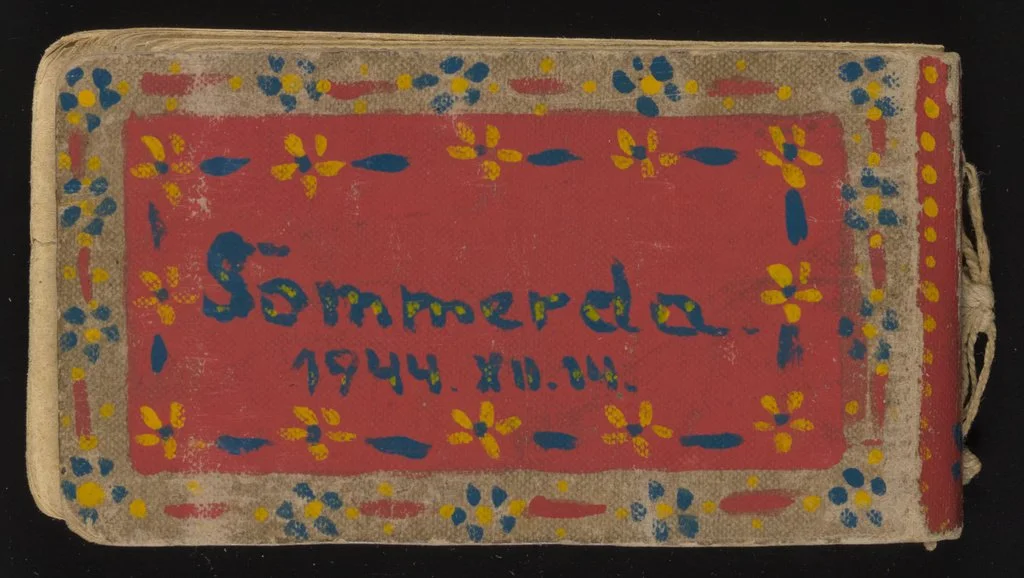
After six weeks in Auschwitz, Charlotte and Irene were transferred to Gelsenkirchen, where they were housed in big tents and tasked with cleaning ruins created by Allied bombing raids. In late September 1944, when bombs were dropped on the camp, they were transferred to Sommerda, a subcamp of Buchenwald near Erfurt, Germany. They were among around 1300 Hungarian Jewish women forced to perform slave labor in an ammunition factory. Charlotte was selected to be a supervisor, and did what she could to support the other women, for example assigning the easiest jobs to the frailest prisoners. She was also part of a group that engaged in a remarkable form of spiritual resistance by stealing materials from the factory to create an estimated 29 diaries and books filled with poems, concentration camp news and prayers.
In the spring of 1945, Charlotte and Irene were taken on a death march for 10 days with almost nothing to eat or drink. A friend of Charlotte’s, Magda, was killed by machine-gun fire from strafing American planes. When they reached a small village, Reinsholdshain, they hid in a basement with a German family to escape the bombing. The German SS fled the area and American troops arrived a few days later. After liberation, Charlotte and Irene returned to Berehovo, but seeing how little of their former life remained, they decided to make their way to Budapest
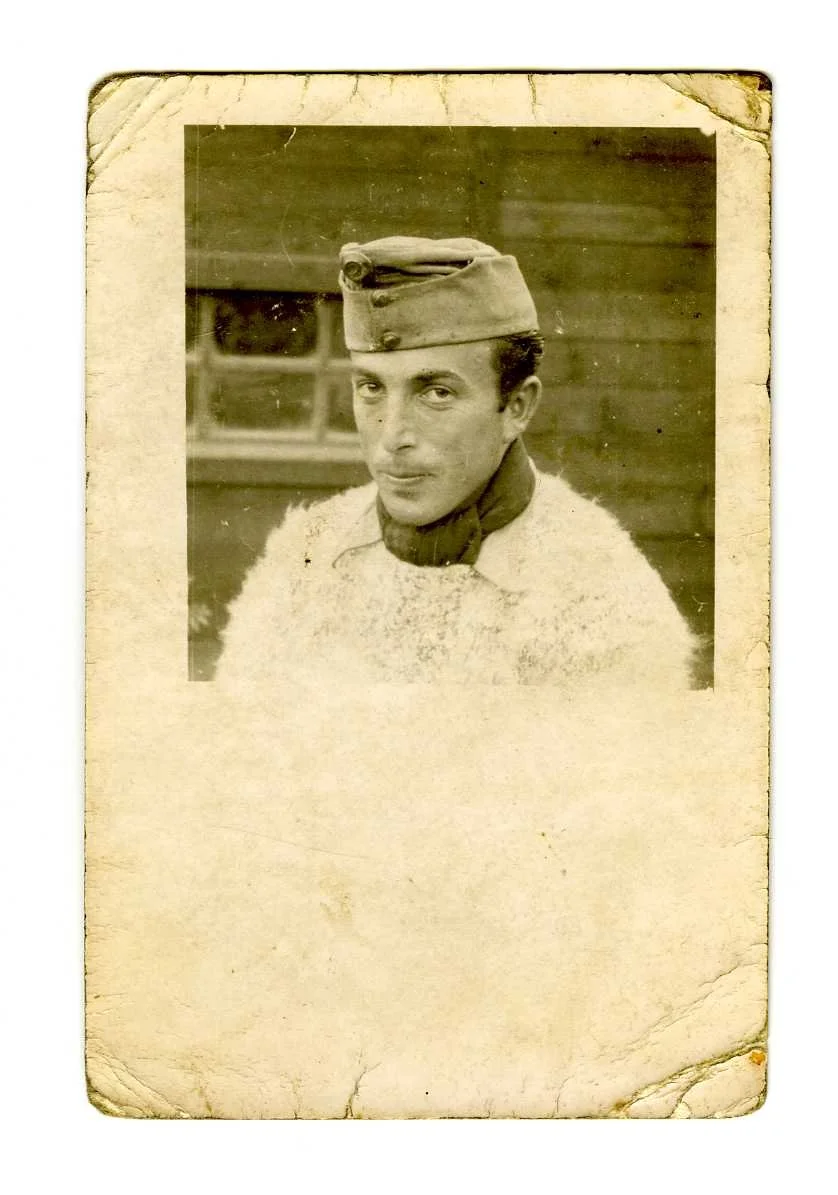
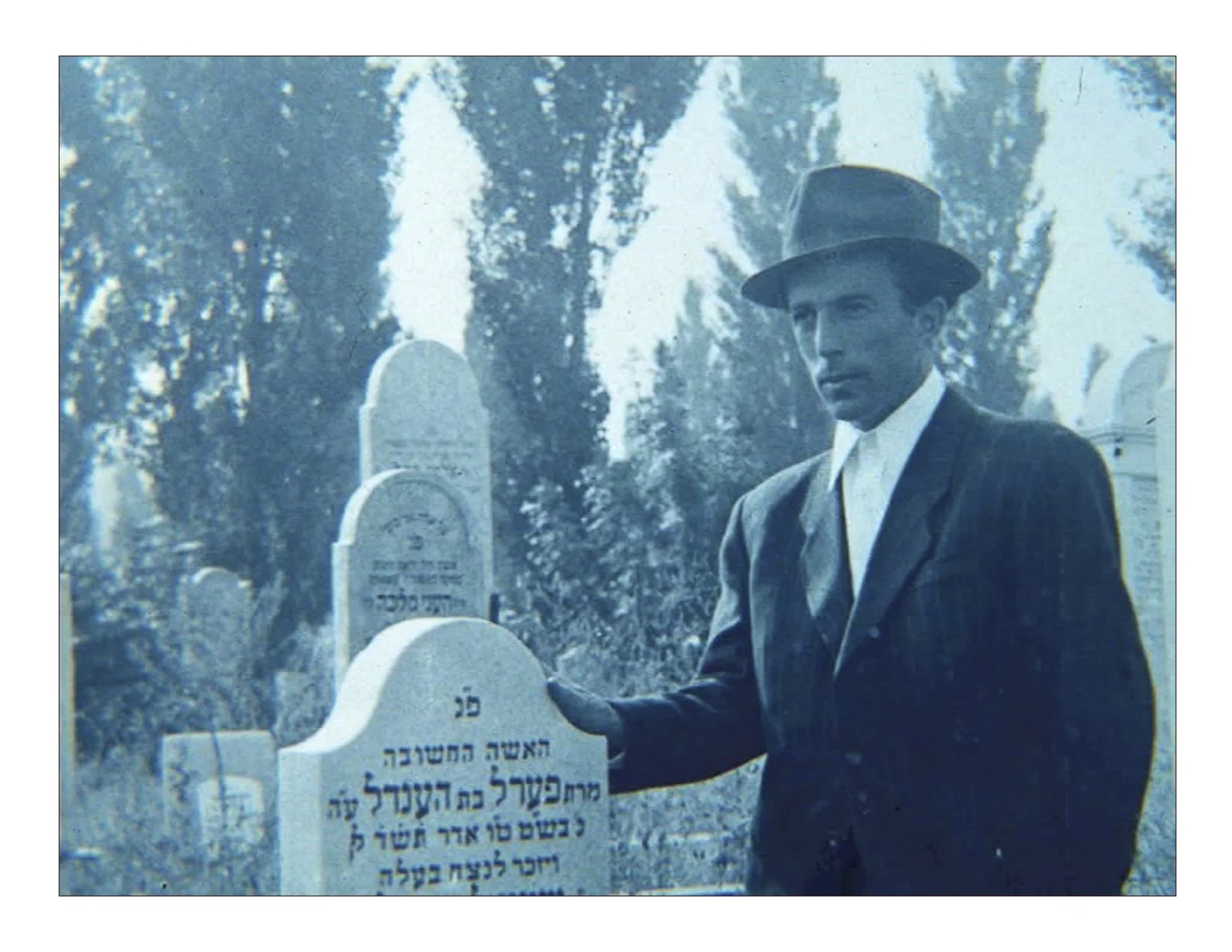
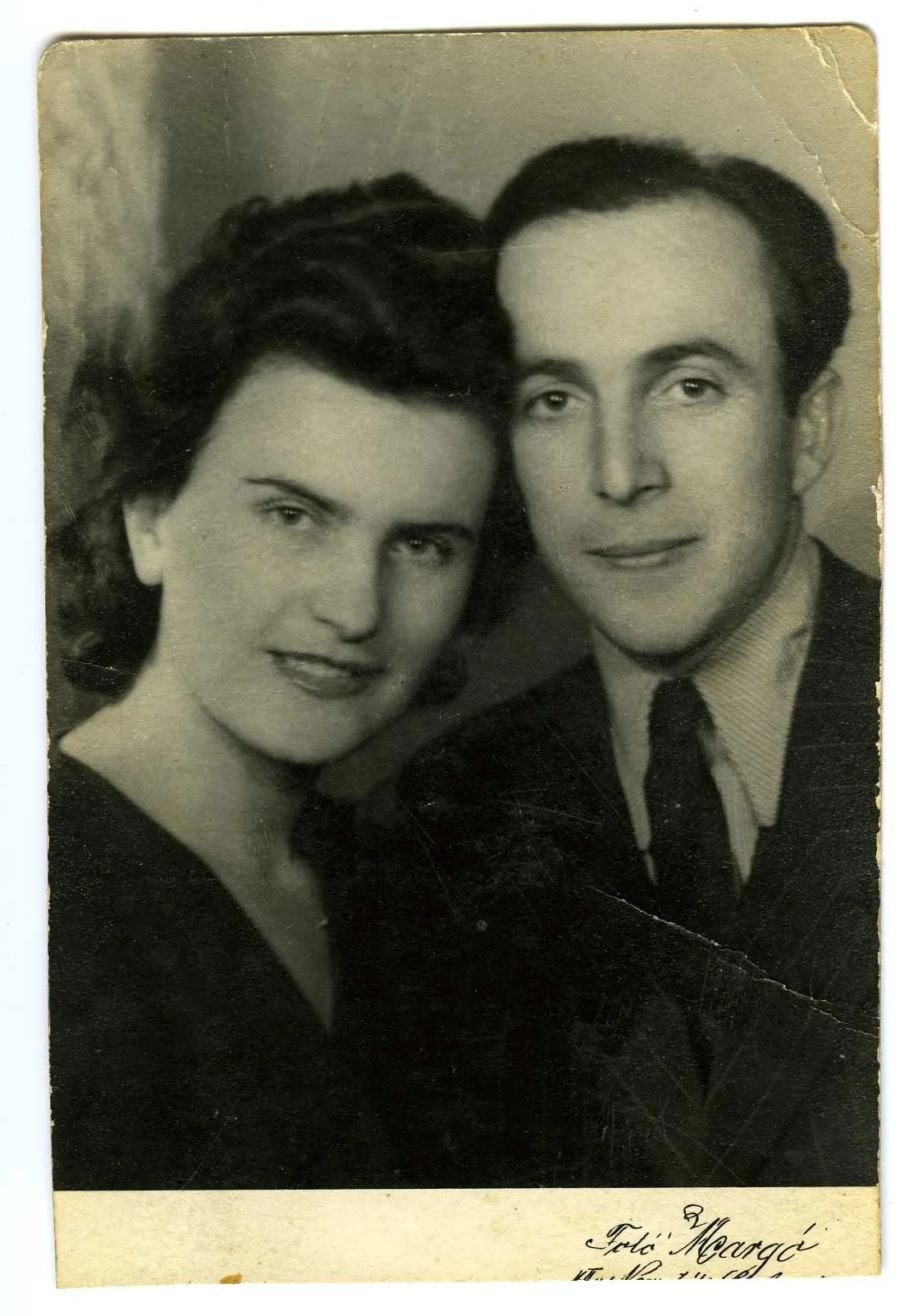
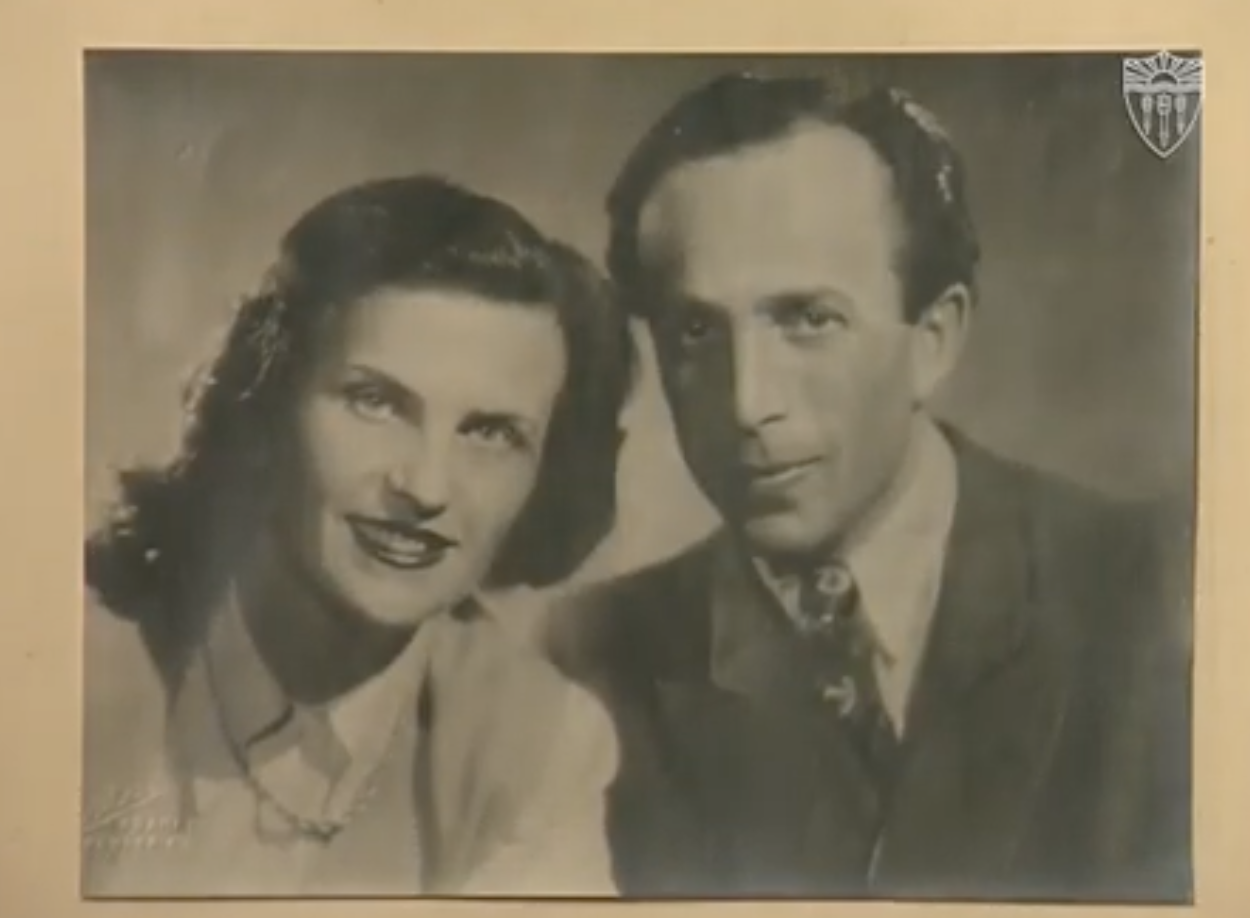
On October 14, 1945, Charlotte married Ernest Neufeld, whom she had known before the war. She was engaged to one of his good friends, who did not survive. Ernest was born on June 13, 1915, in Selce, Czechoslovakia, to Perl and Alexander Neufeld. He was a prisoner of slave labor camps for most of the war. All four of Ernest’s siblings survived the Holocaust. His older brother, Josi, was also in forced labor camps, while his younger brother, Nicholas (also known as Patti), managed to stay alive through a series of courageous feats, including jumping from a train and, at one point, pretending to be a Nazi. His younger sisters, Itza and Ruchi, survived by passing as non-Jews. However, their father perished at Auschwitz, and their mother died in a hospital in Budapest in 1944, before the family was deported.
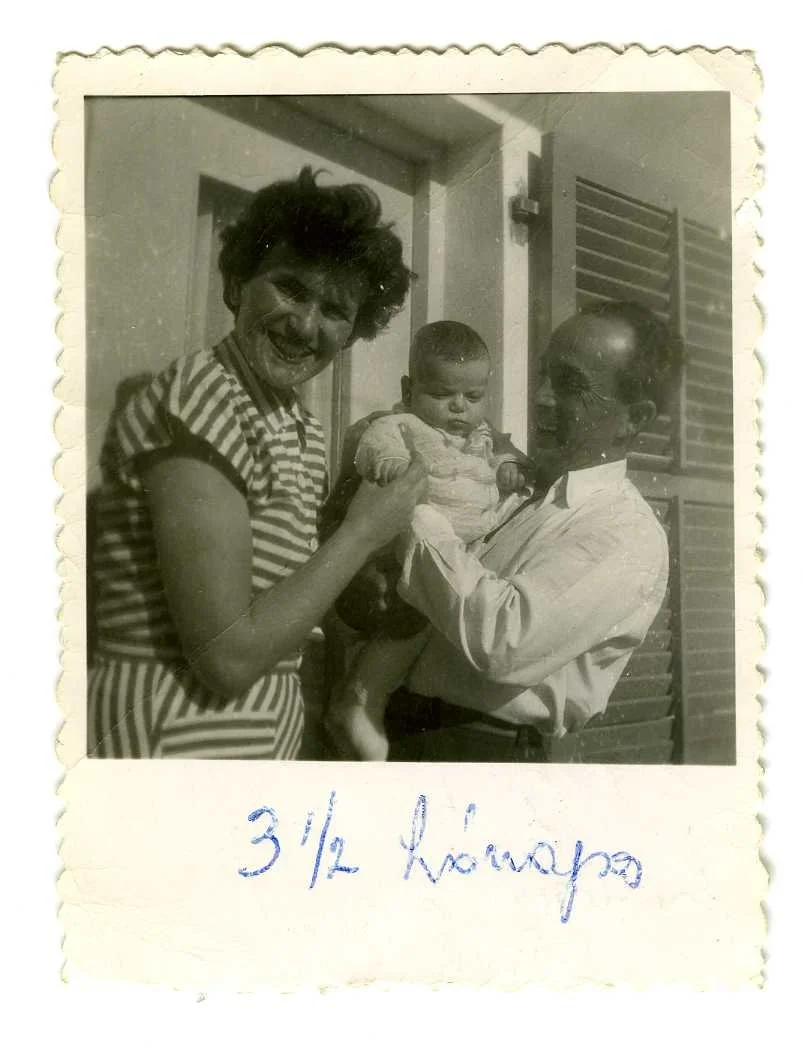
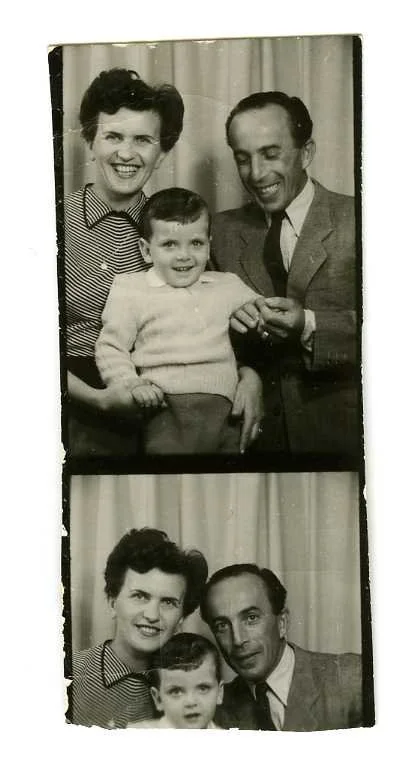
Charlotte and Ernest lived in Budapest, where she went to medical school for one year. In 1947, after Ernest’s successful razor blade business was taken over by the Soviets as they nationalized the economy, they decided to move to Prague. Two years later, they joined Irene in Haifa, Israel. She had settled there with her husband, Imre Moldovan, who was married to her sister Berte before the war, and they later had two children, Tova and Amnon. In Israel, Ernest started another successful business, constructing red tiled roofs for houses, and he and Charlotte had a son, Amos, in 1951. They emigrated to New York in 1958. Life was more difficult than expected in the United States but Ernest joined a wholesale bakery union and worked hard to provide for his family.
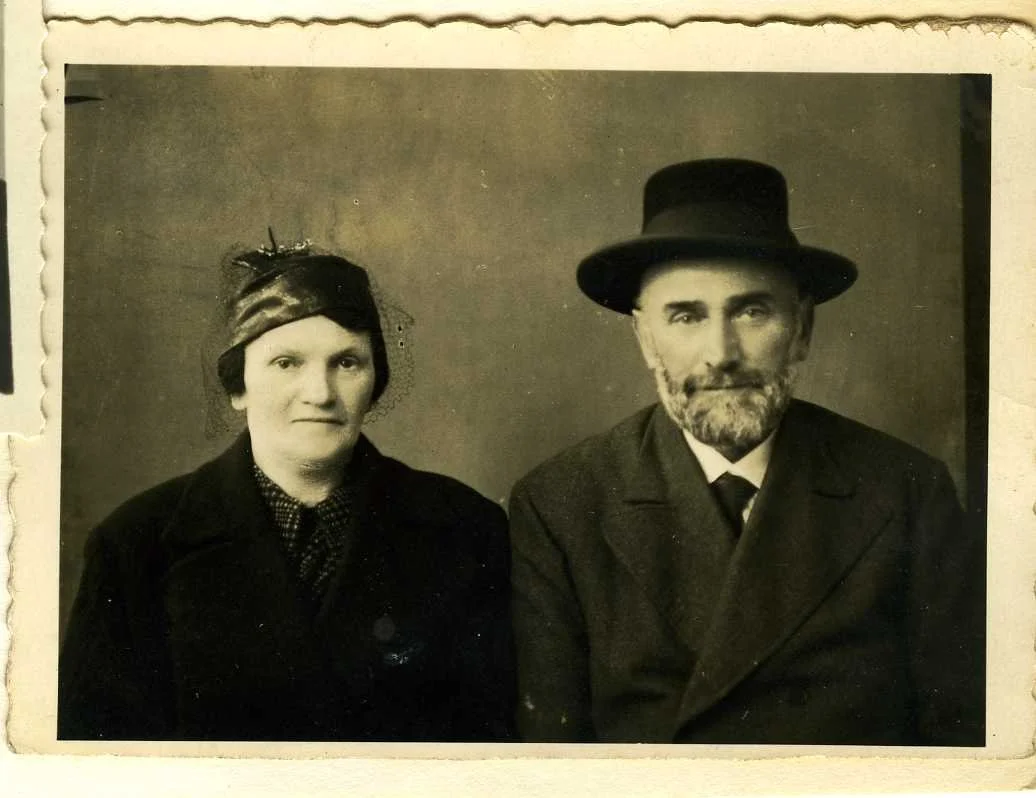
Ernest passed away on November 8, 2006, at the age of 92, and Charlotte passed away on January 15, 2009, at the age of 89. They are the grandparents of Heschel Middle School graduates Ben and Maddie Neufeld.
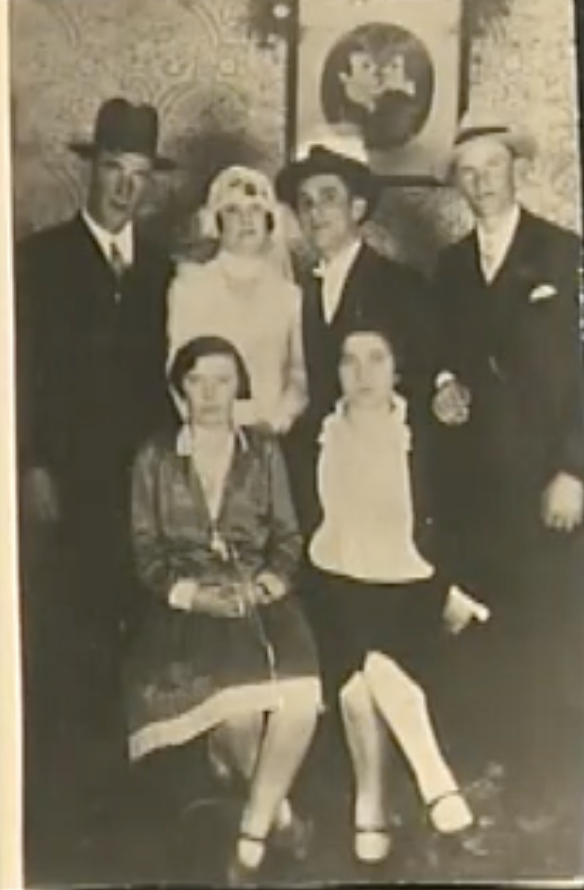
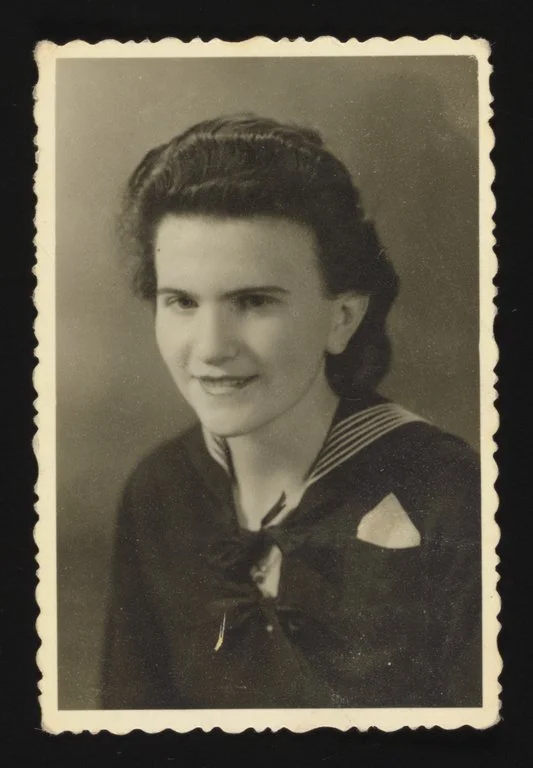
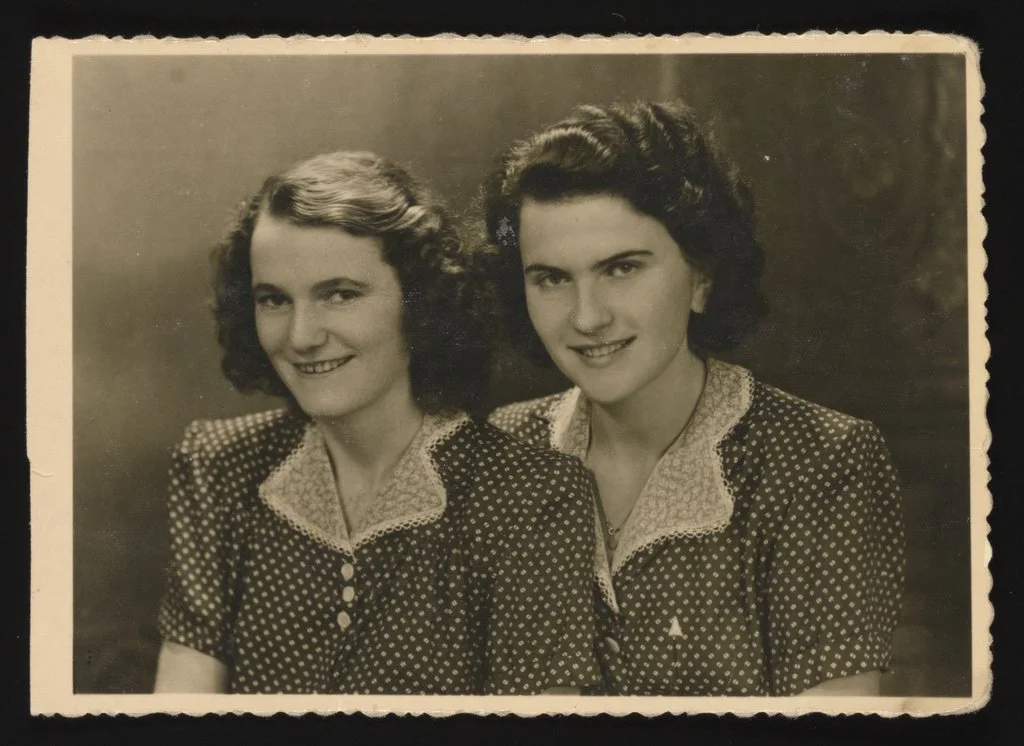
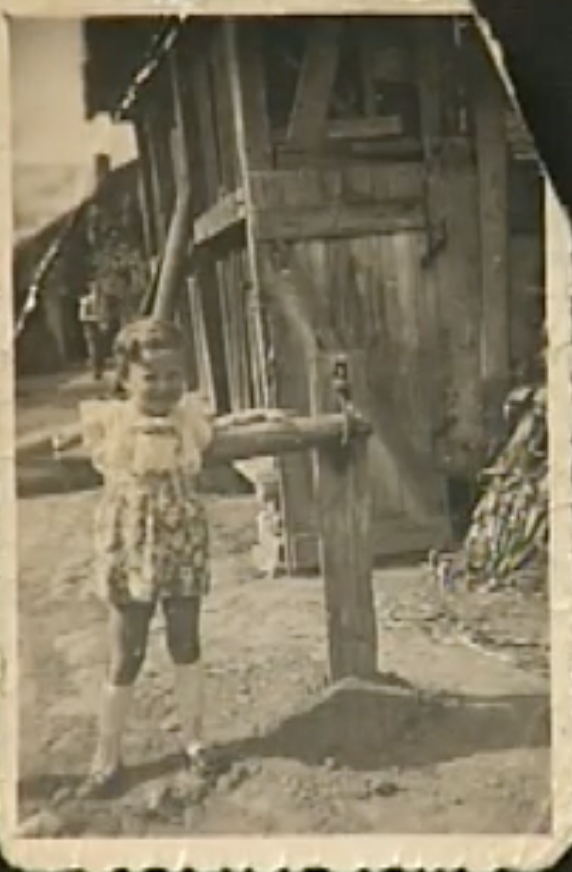
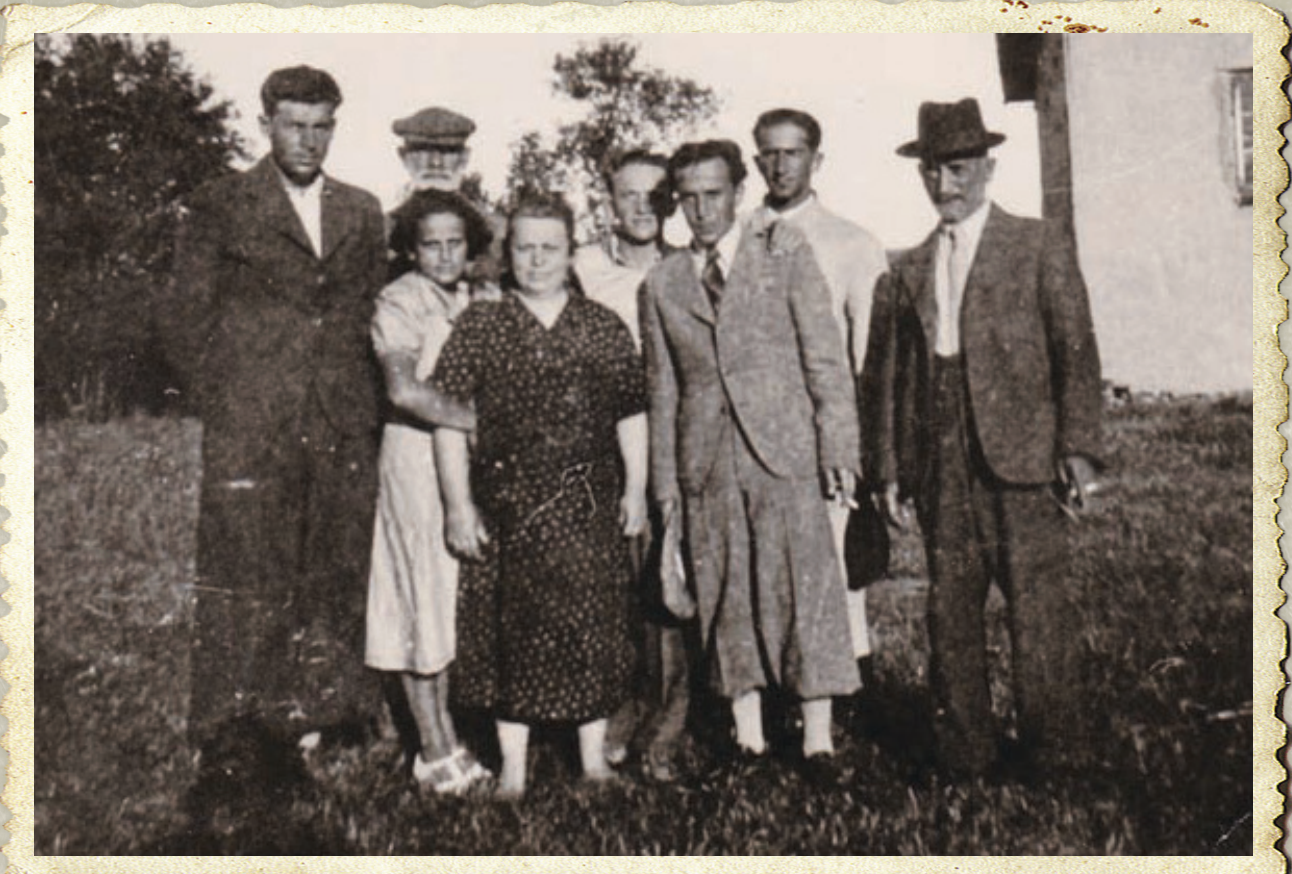
Postcript: After charlotte Neufeld passed away in 2009, her son, Amos, donated the handwritten diary she kept at somerda, along with with an armband she was issued there and a collection of photographs, to the United States Holocaust Memorial Museum in Washington, DC. To view these items and learn more, click on the button below.
POETRY BY AMOS NEUFELD
Amos Neufeld, parent of Heschel graduates Ben and Maddie Neufeld, has published numerous poems reflecting on his experience growing up as the child of Holocaust survivors. These include three pieces in Blood to Remember: American Poets on the Holocaust, three poems in a special 2020 edition of Prism, an interdisciplinary journal for Holocaust educators published by Yeshiva University, two poems in the Spring 2019 issue of Prism, and three poems in the 2018-19 edition of the Jewish poetry journal Shirim .