

Heschel’s Class of 2026 Graduates!
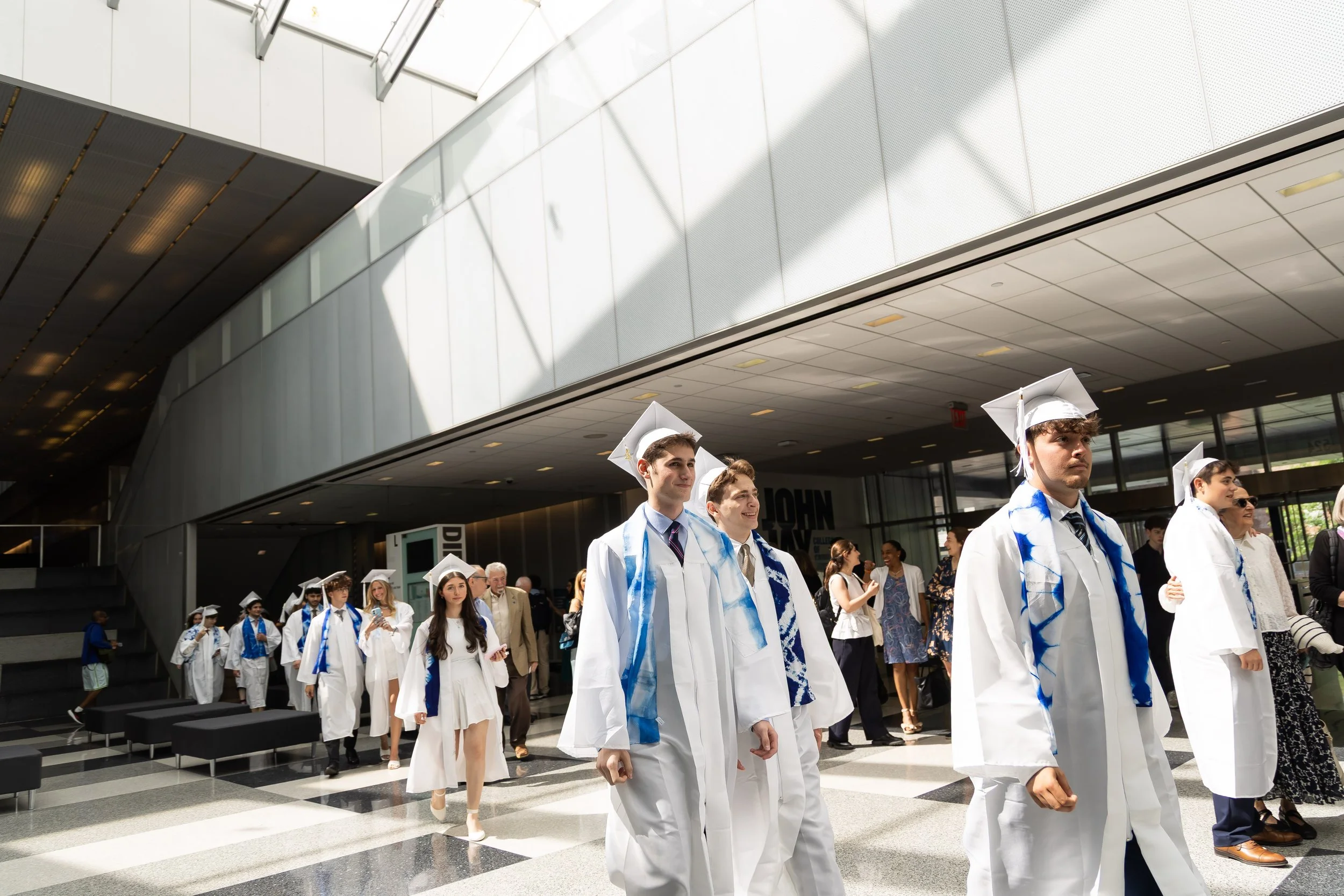
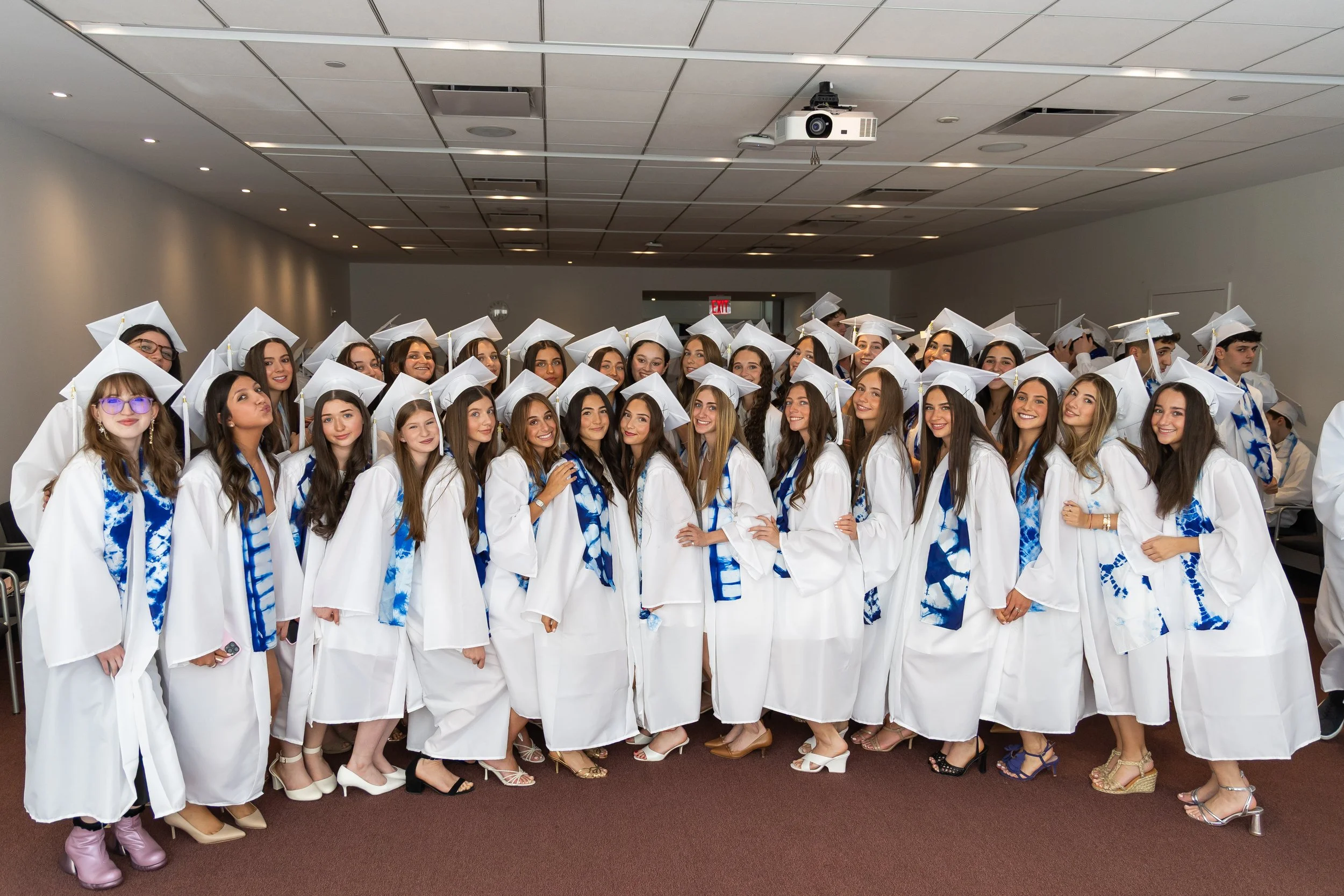
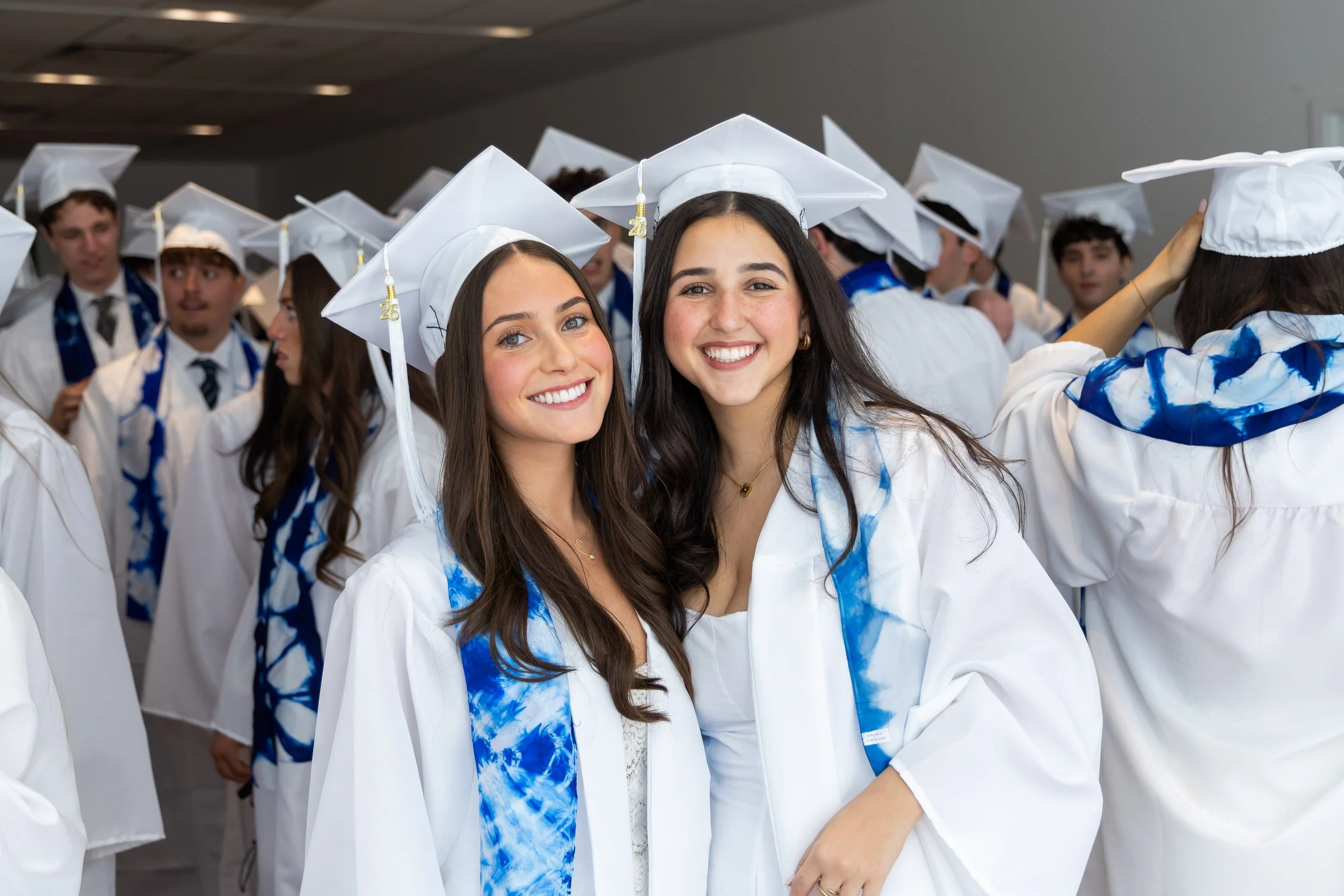
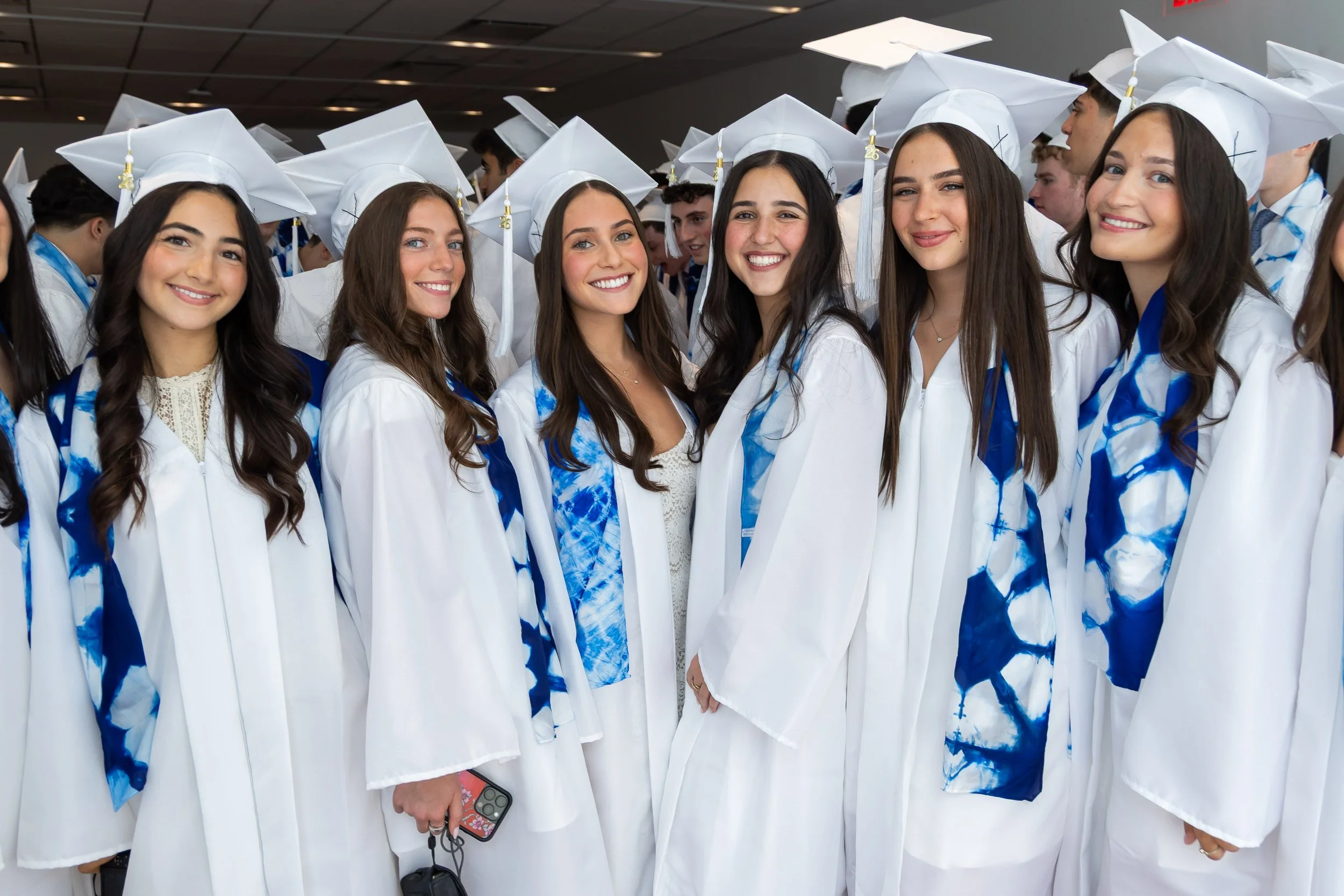
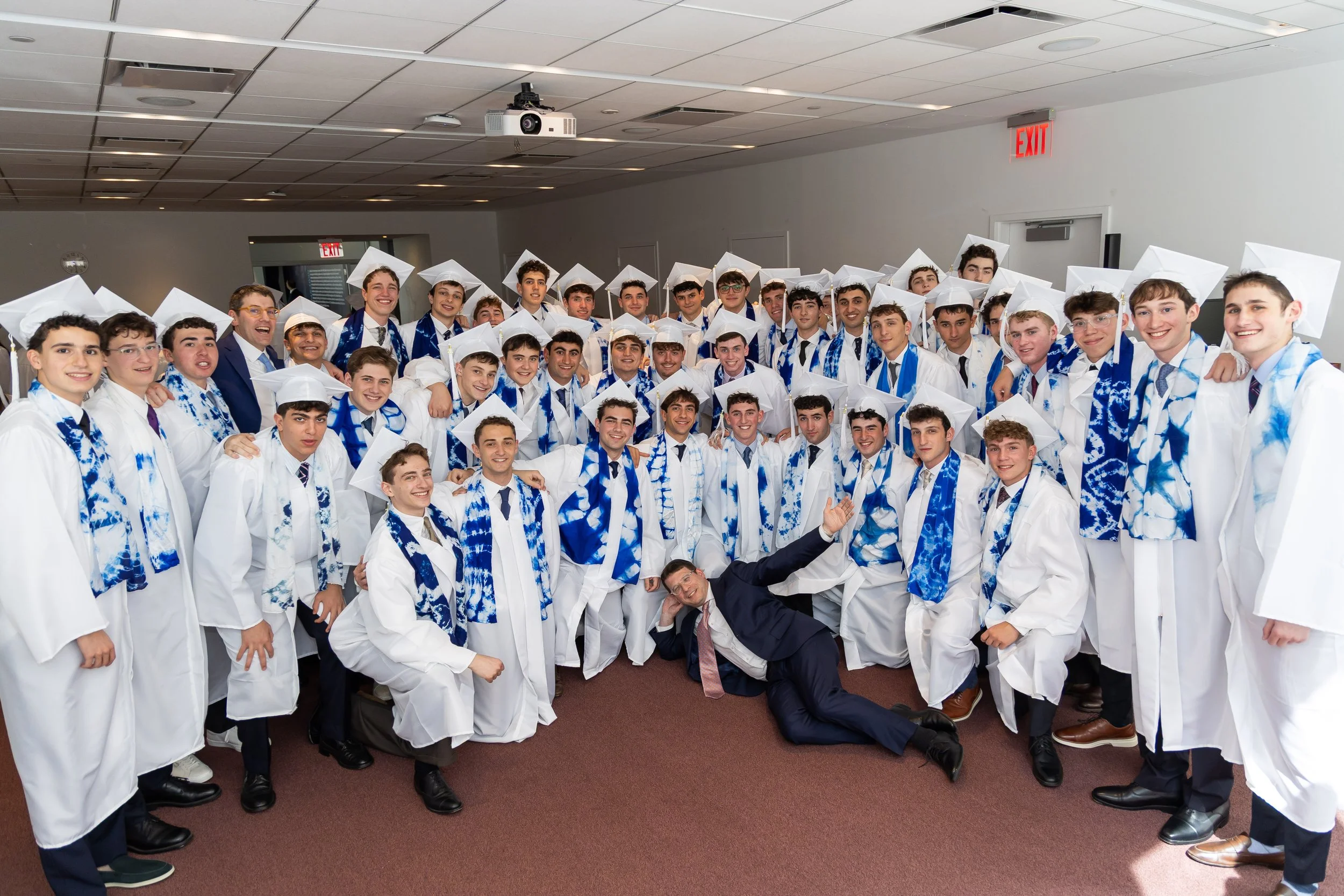
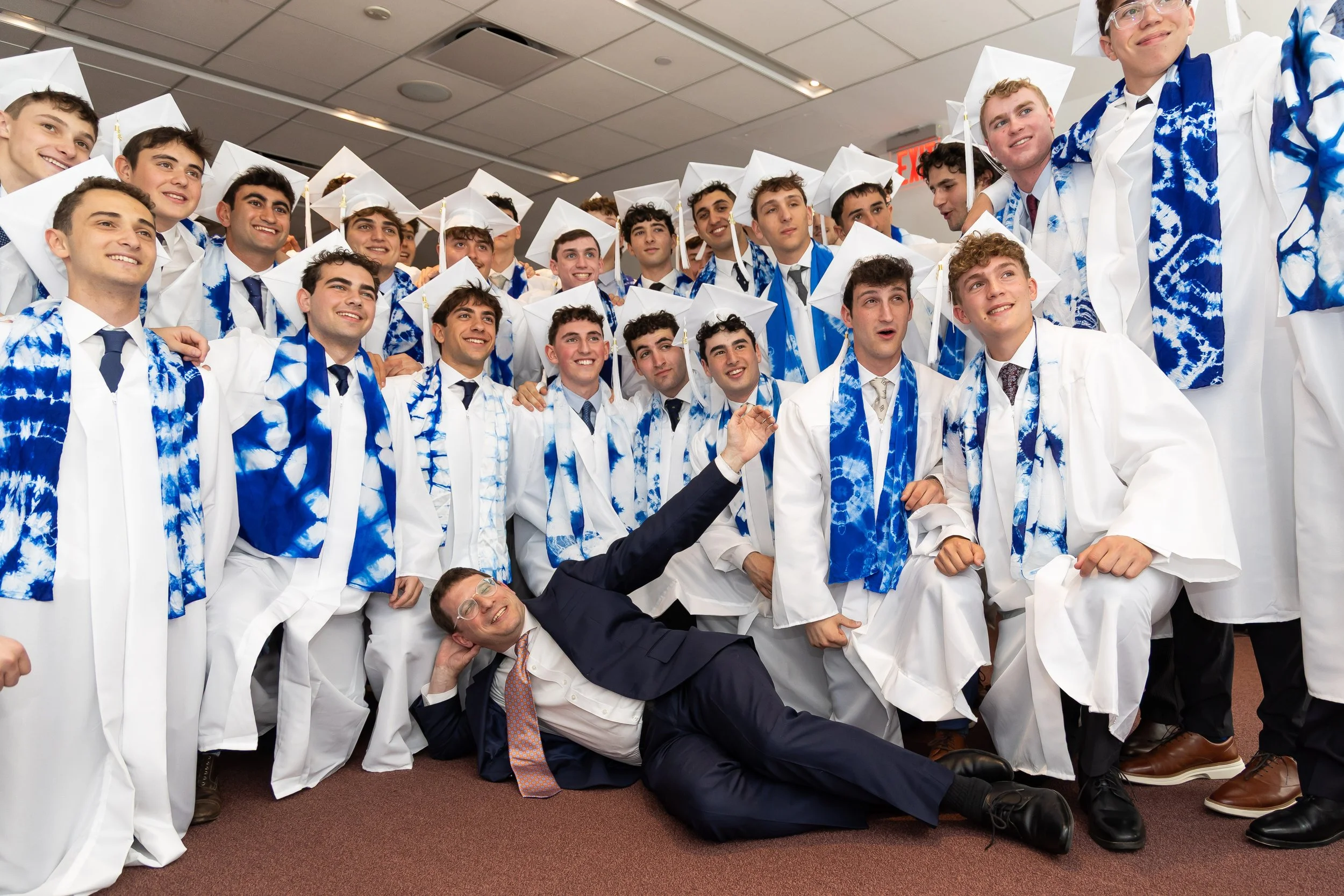
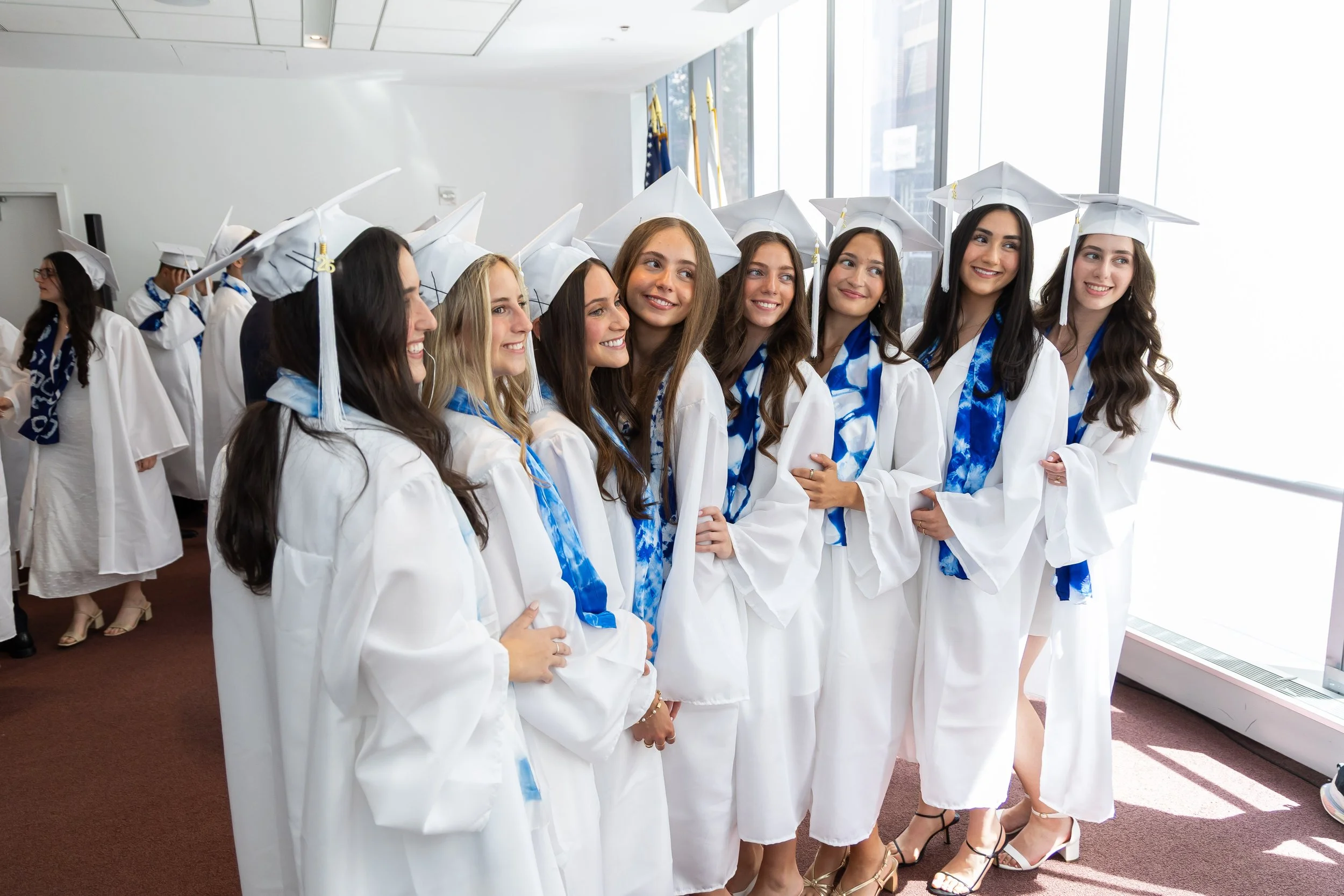
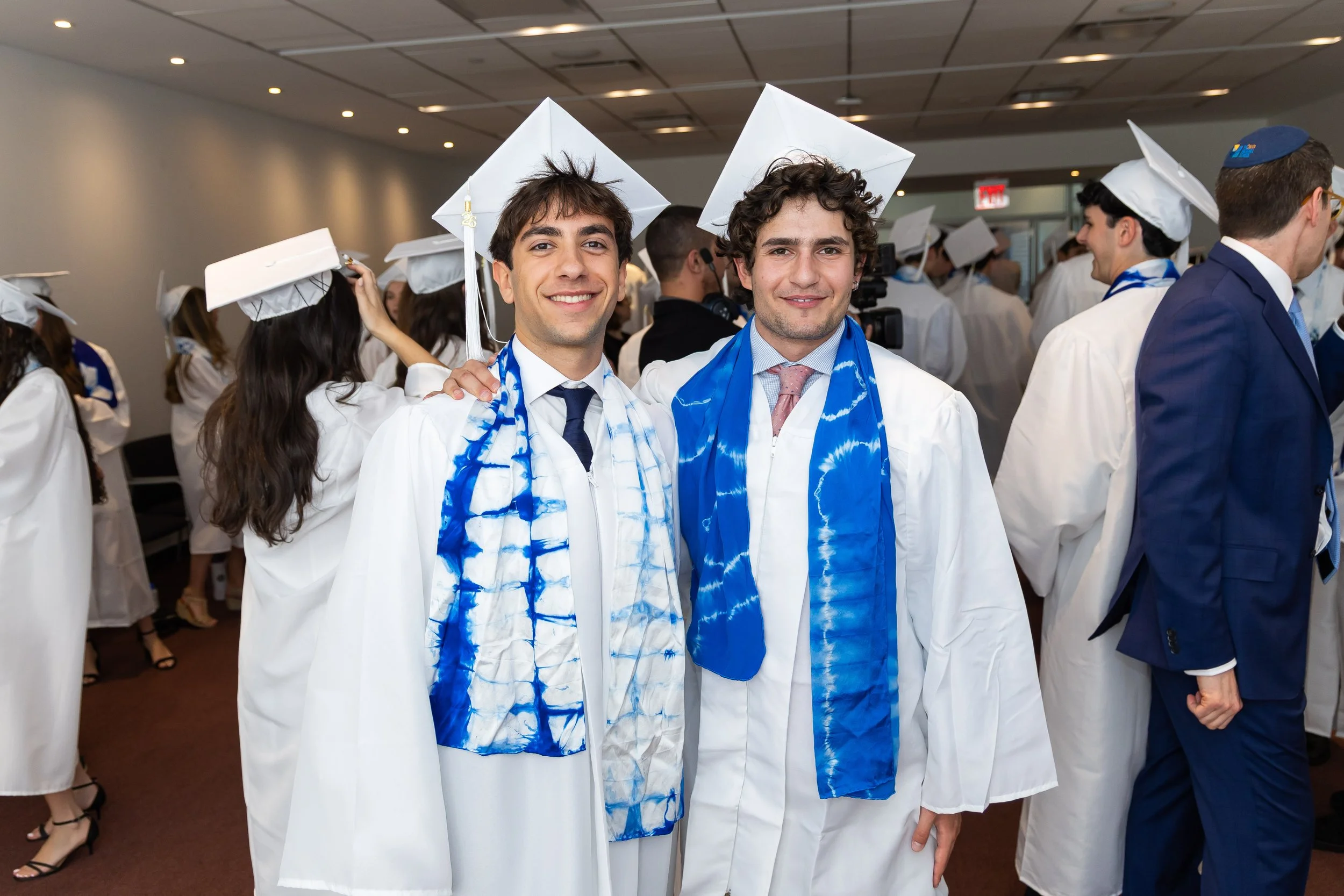
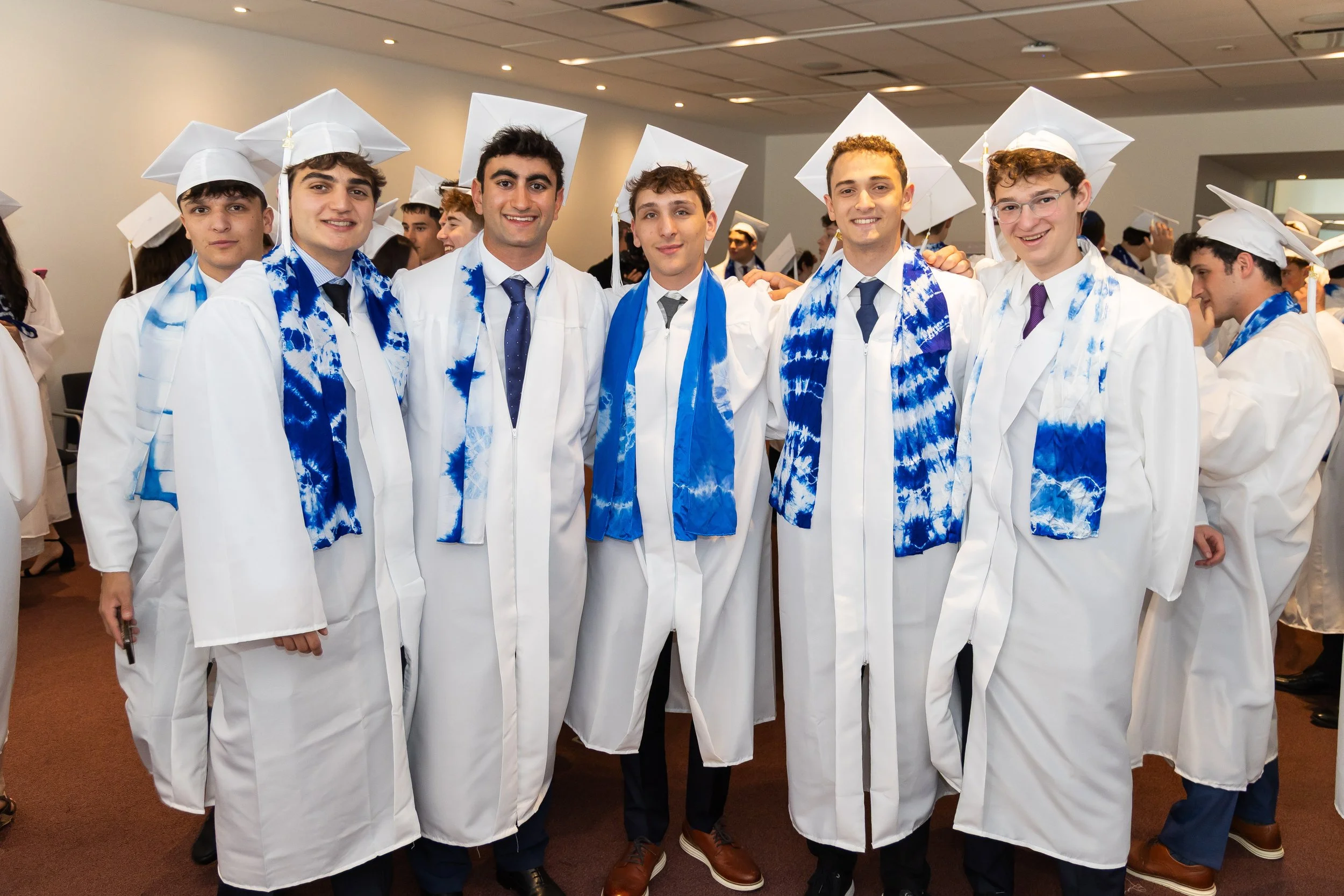
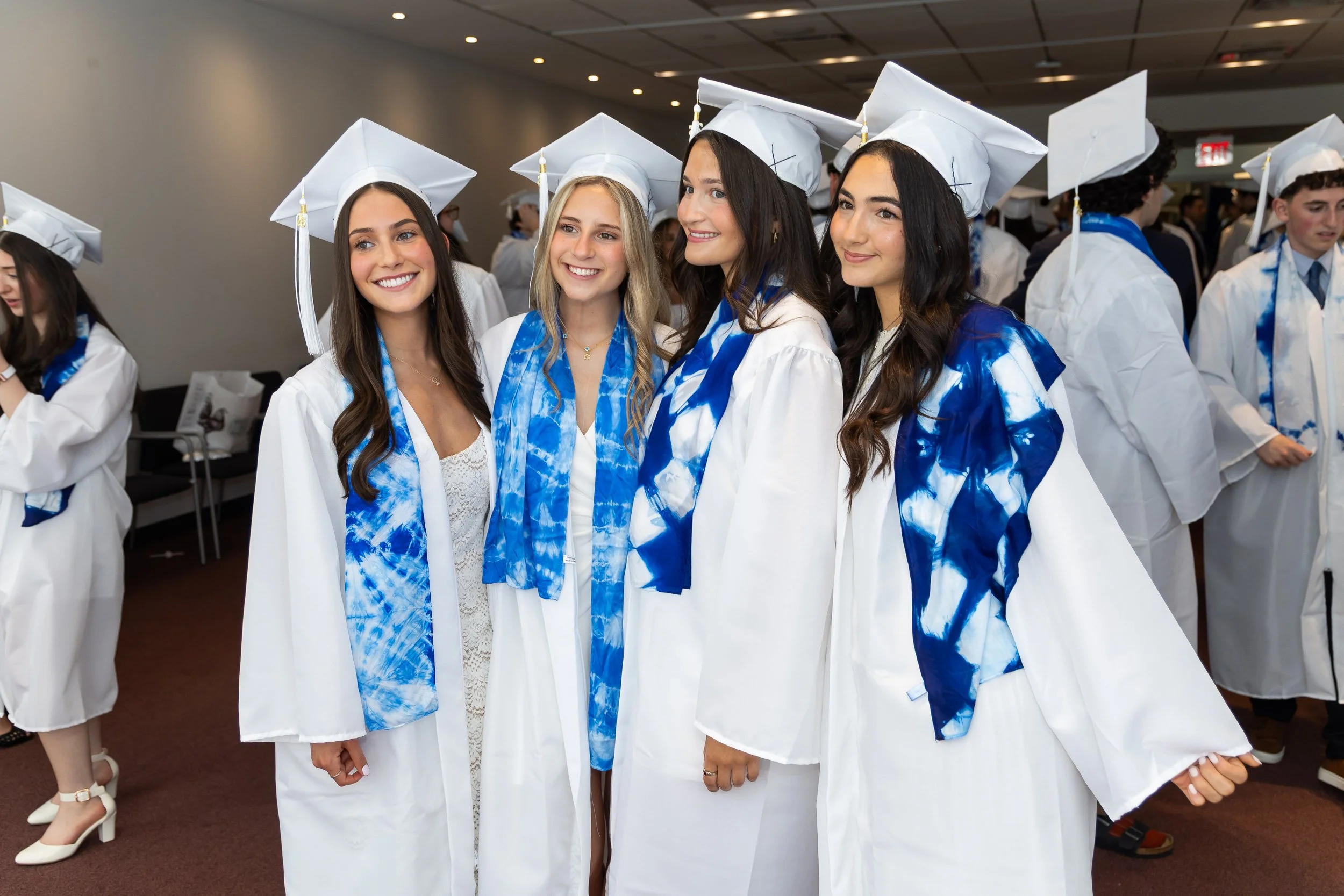
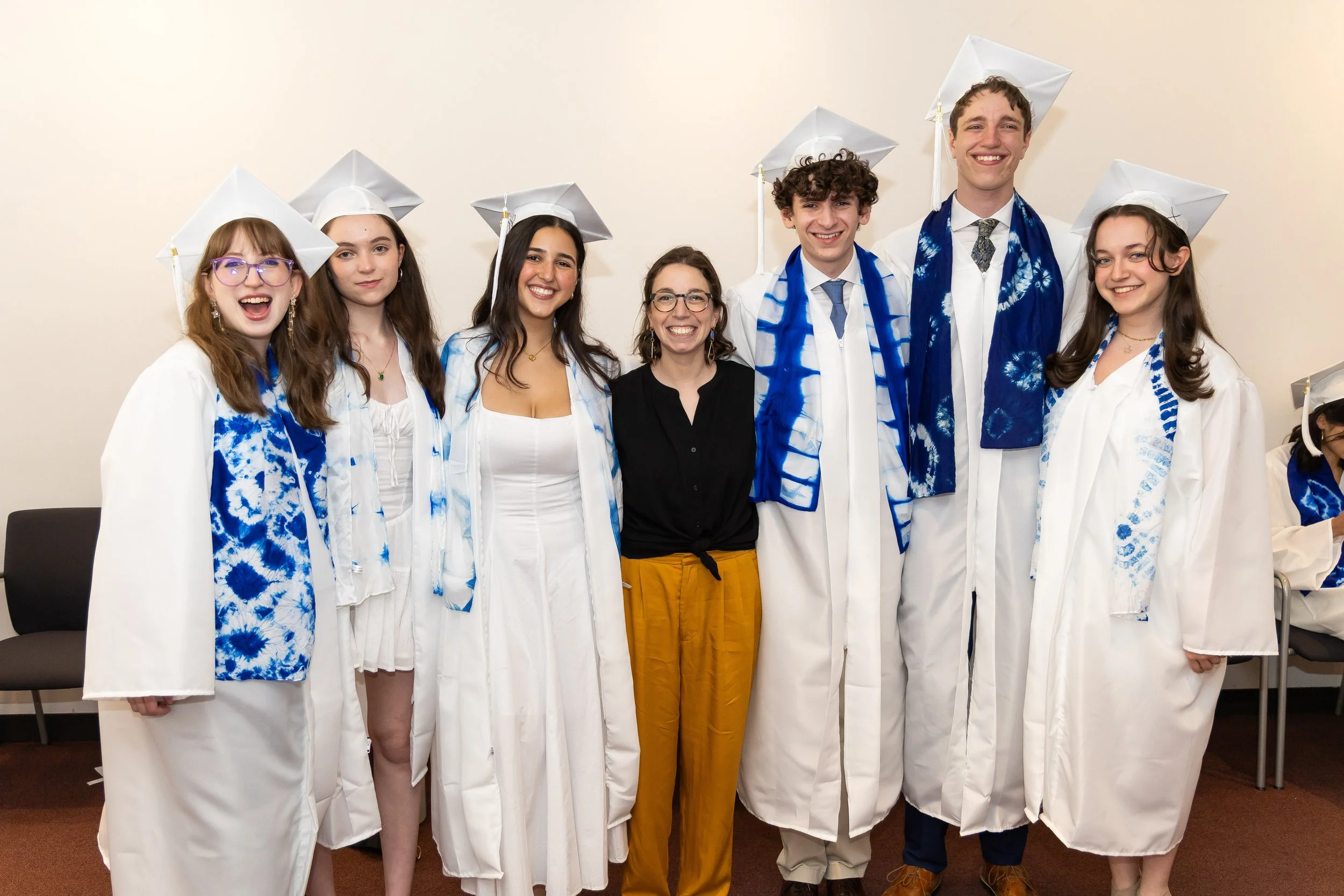
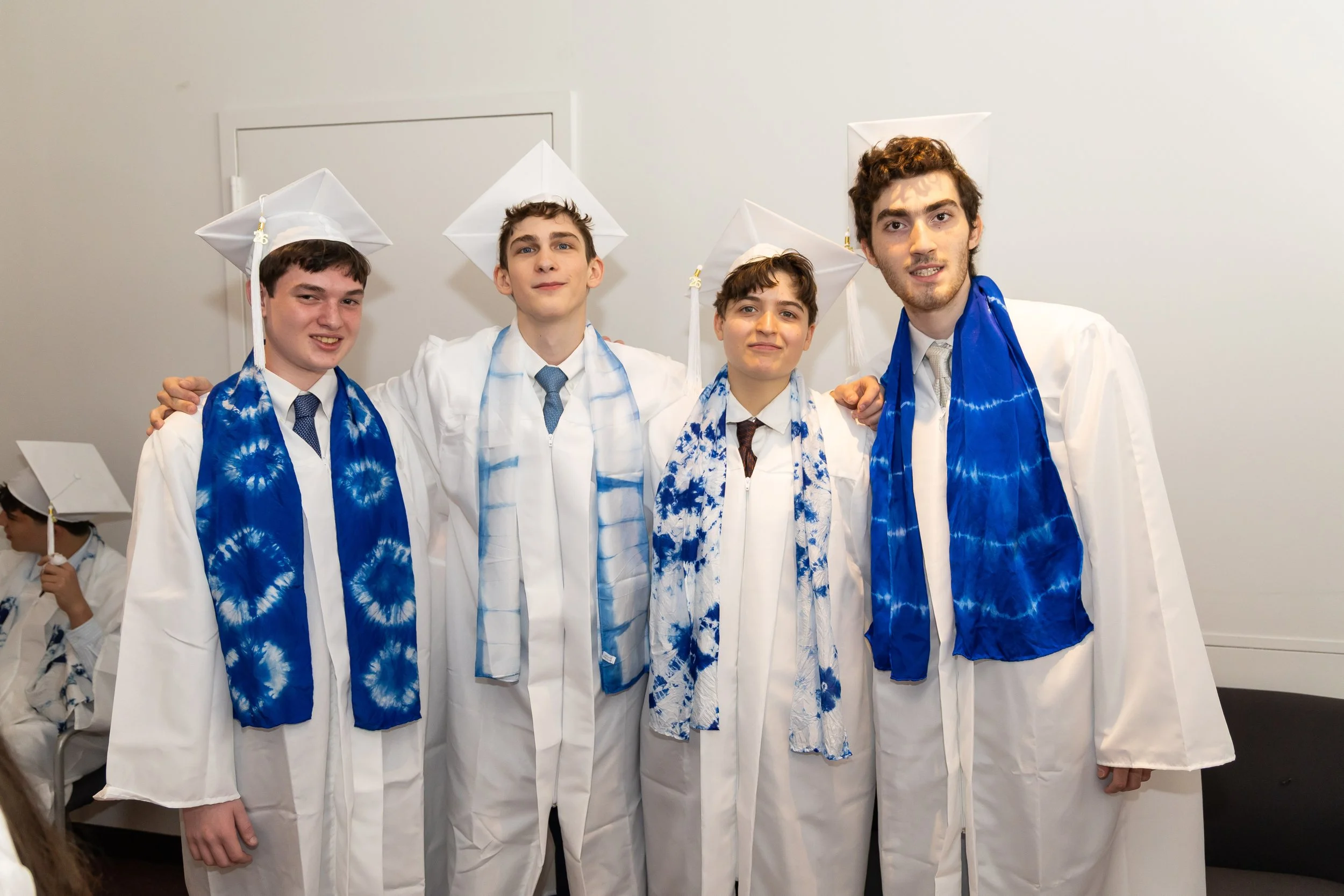
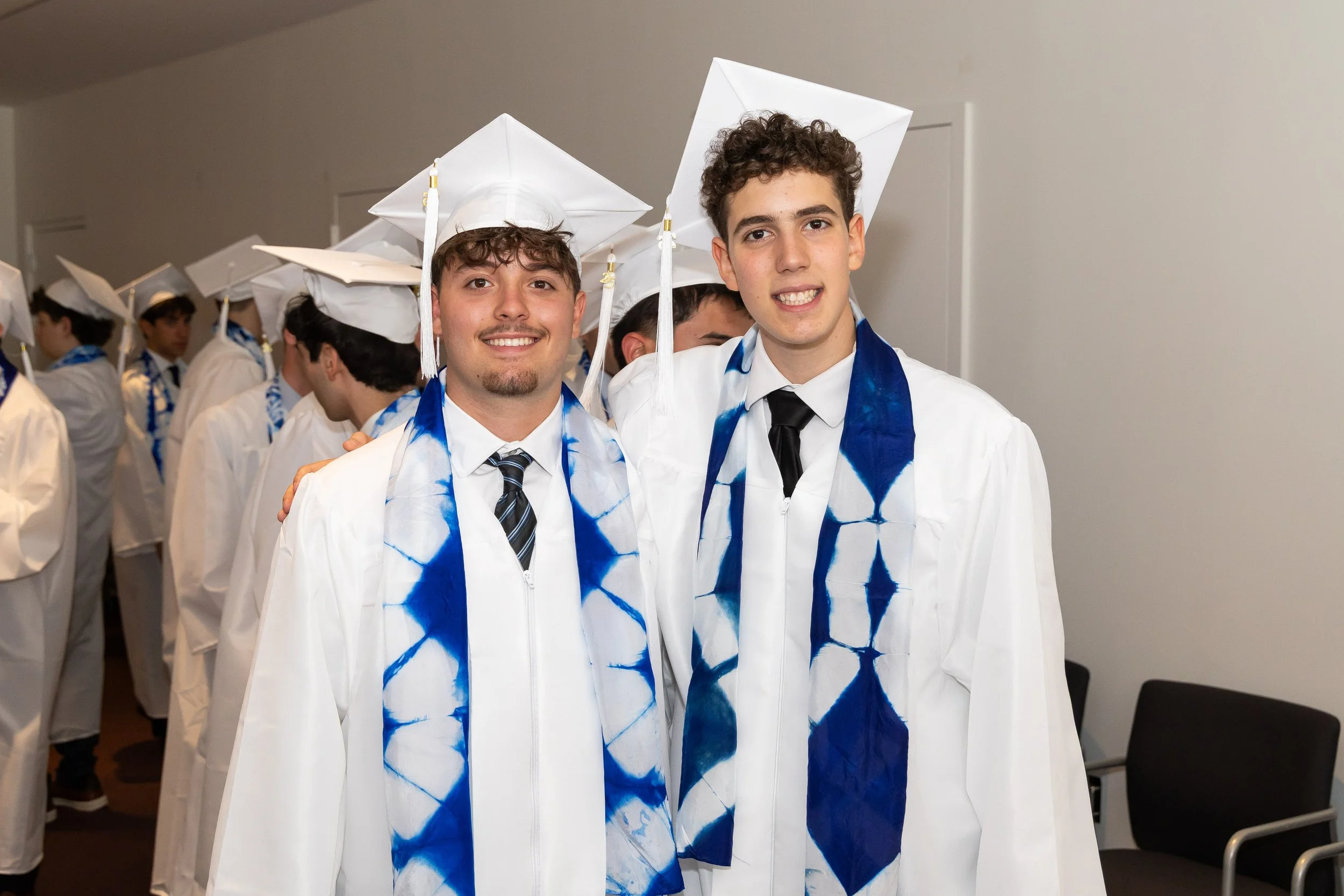
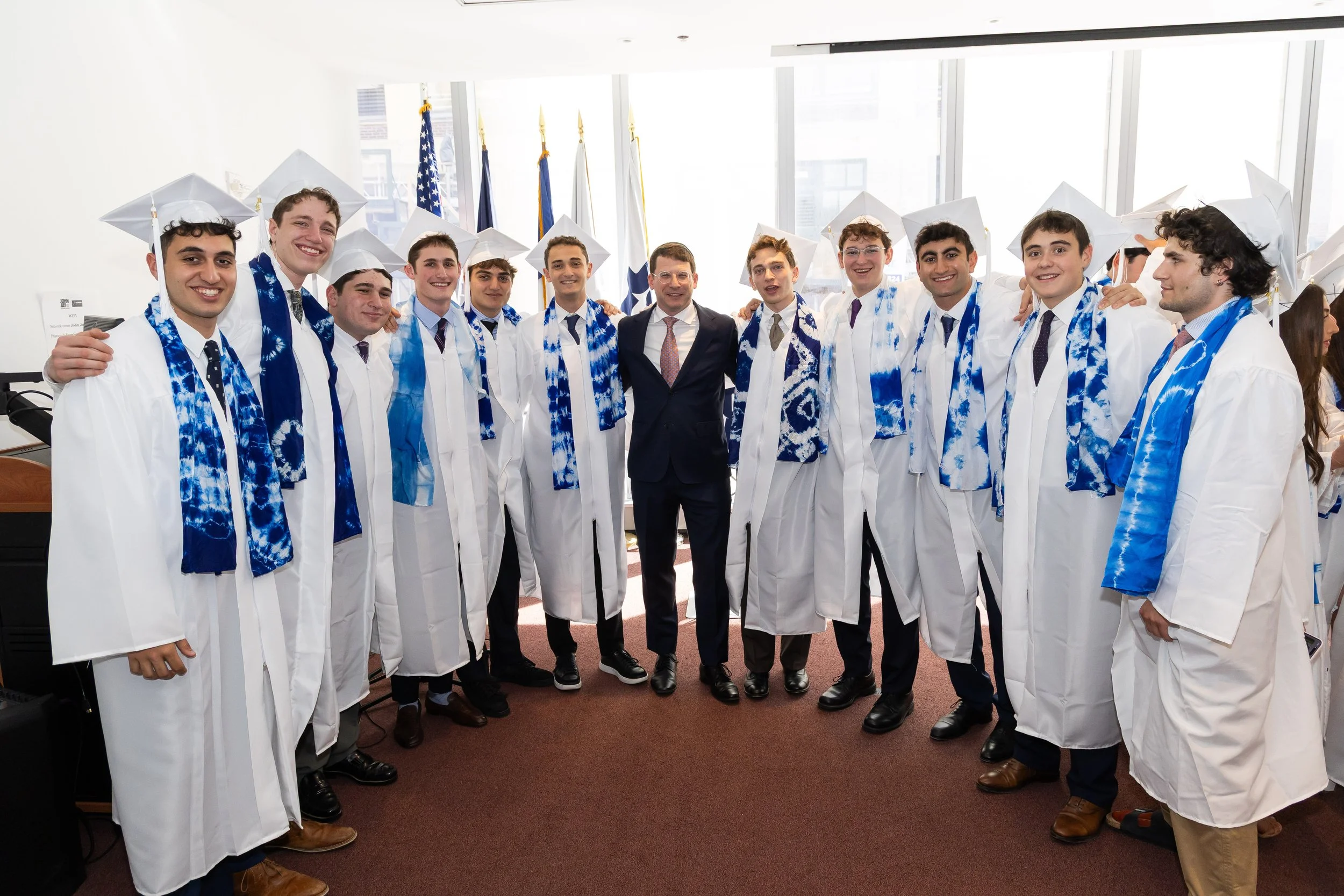
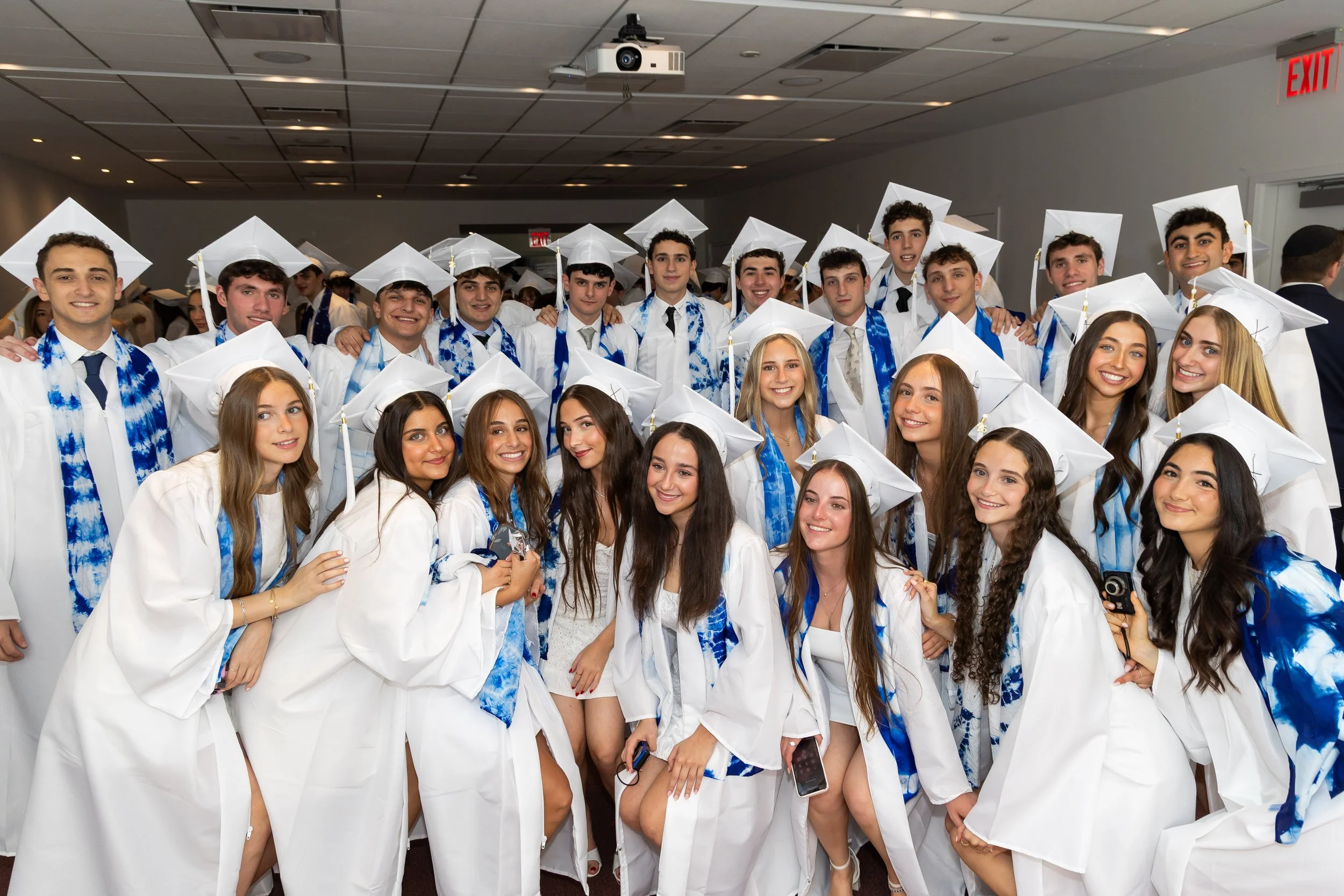
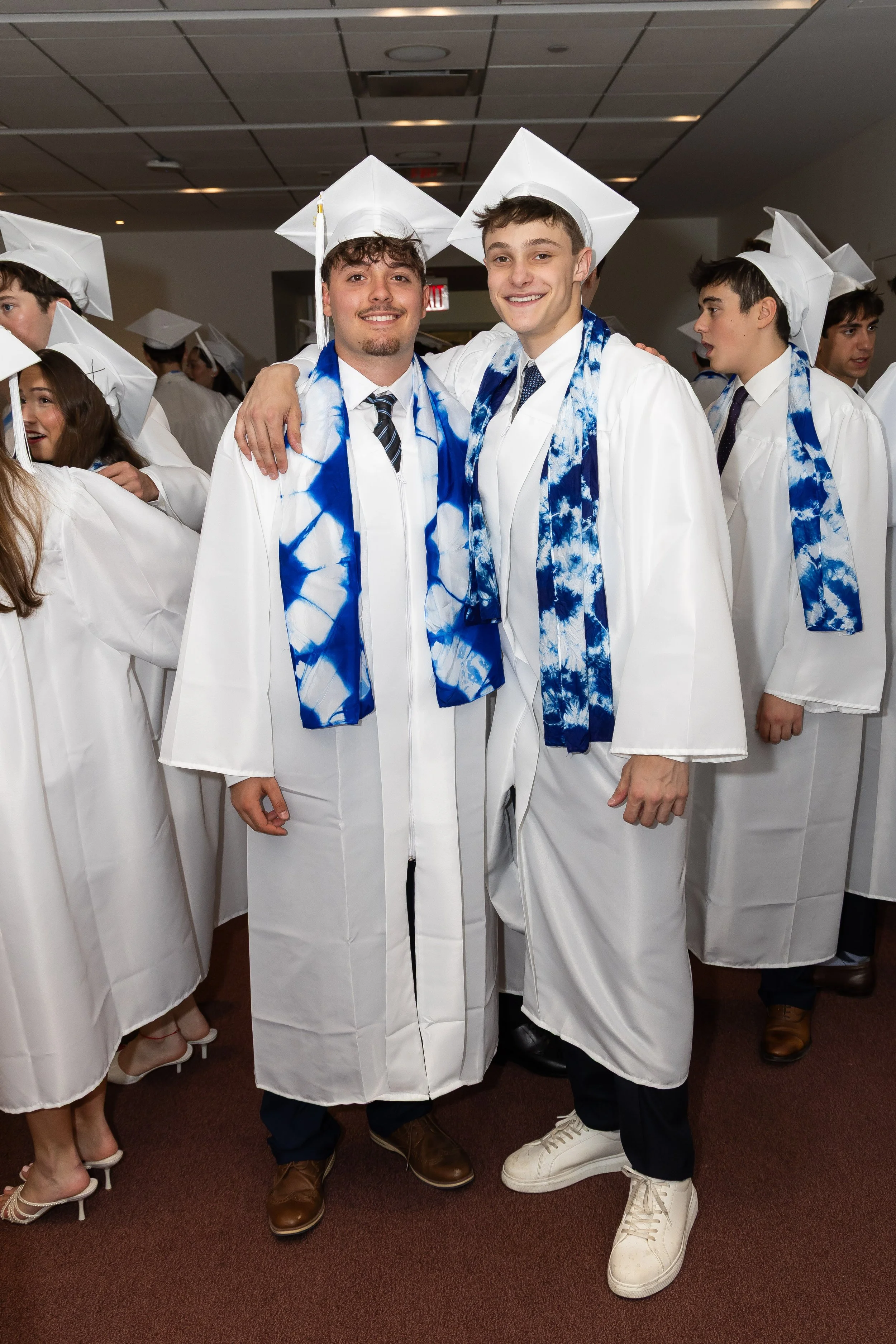
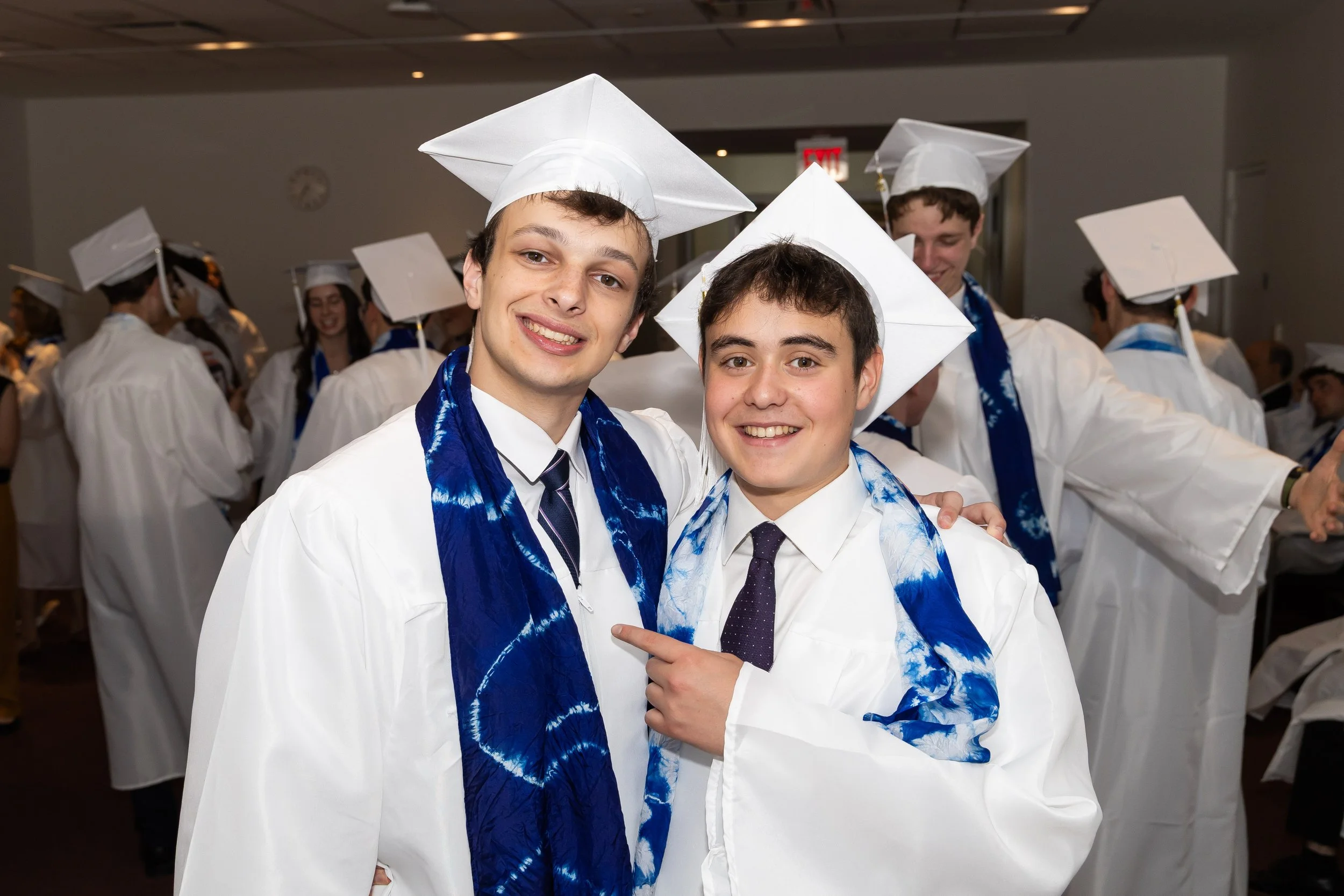
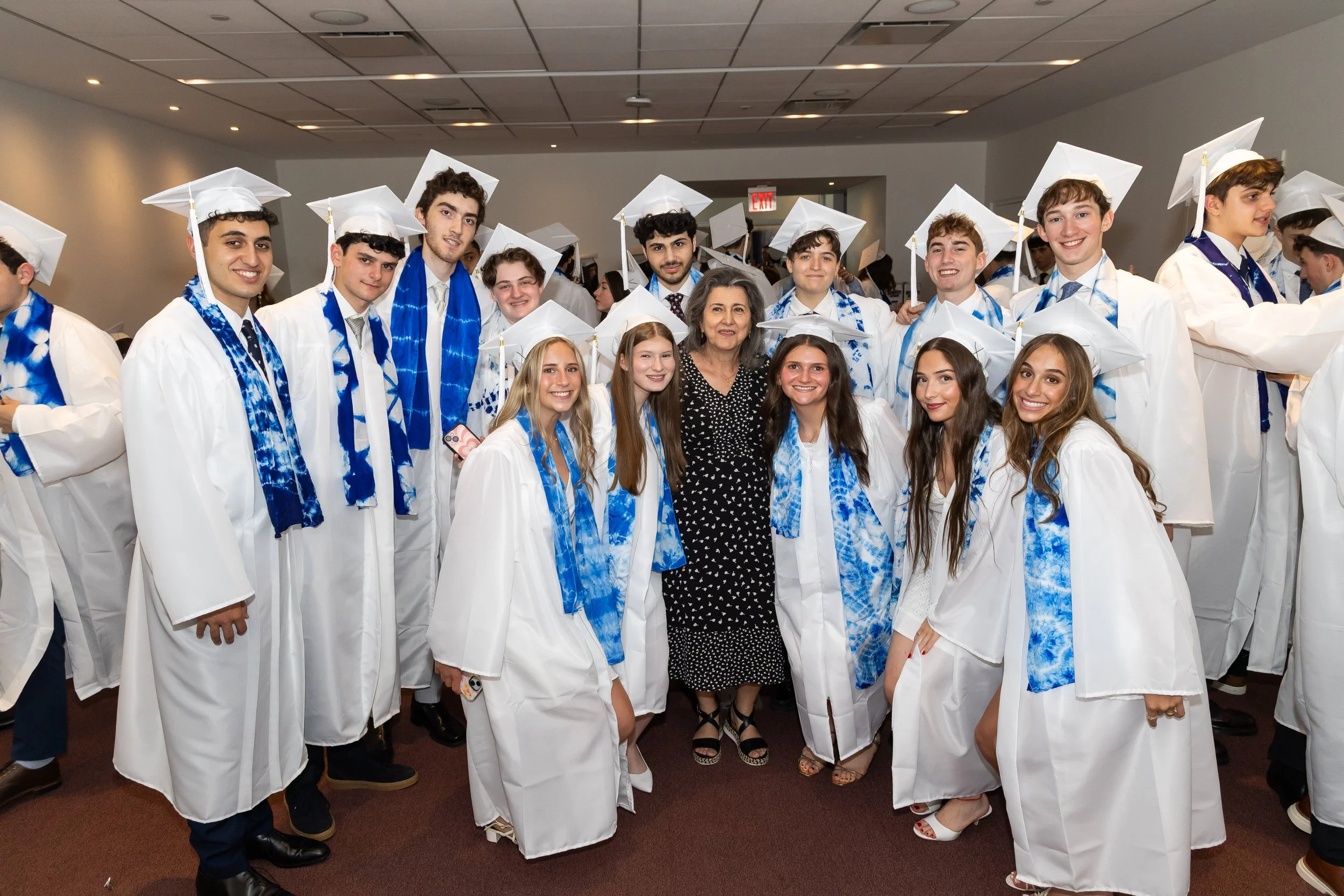
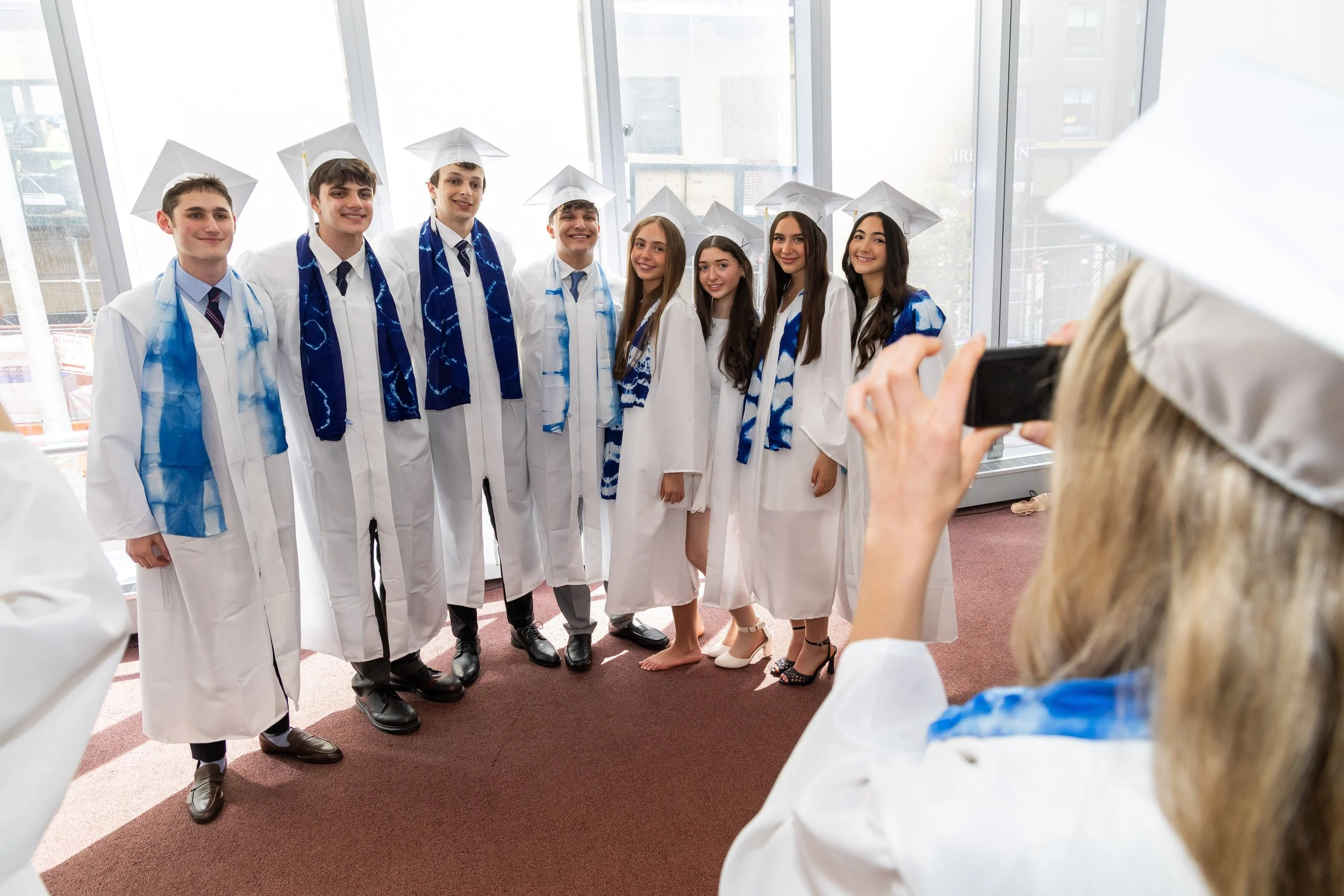
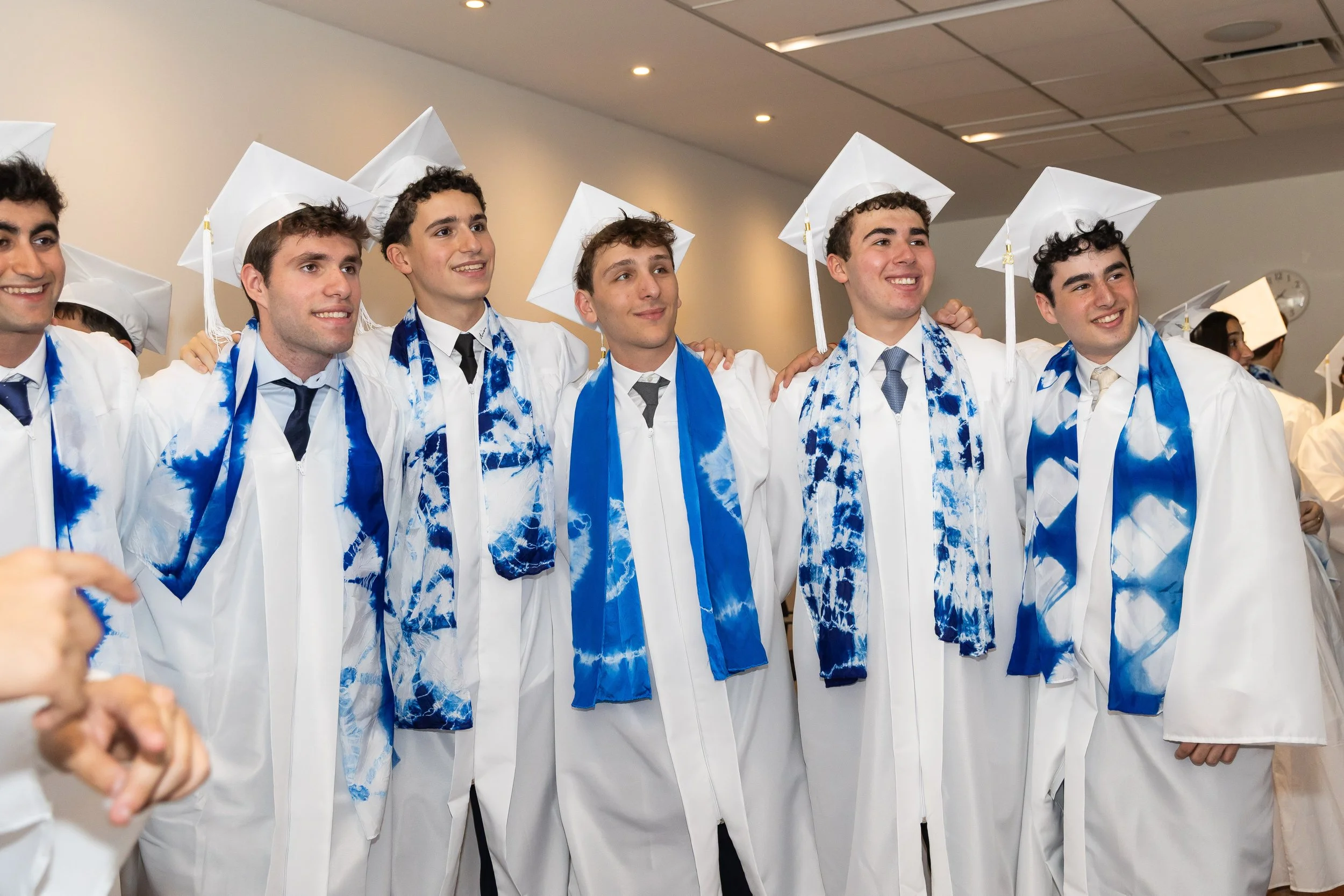
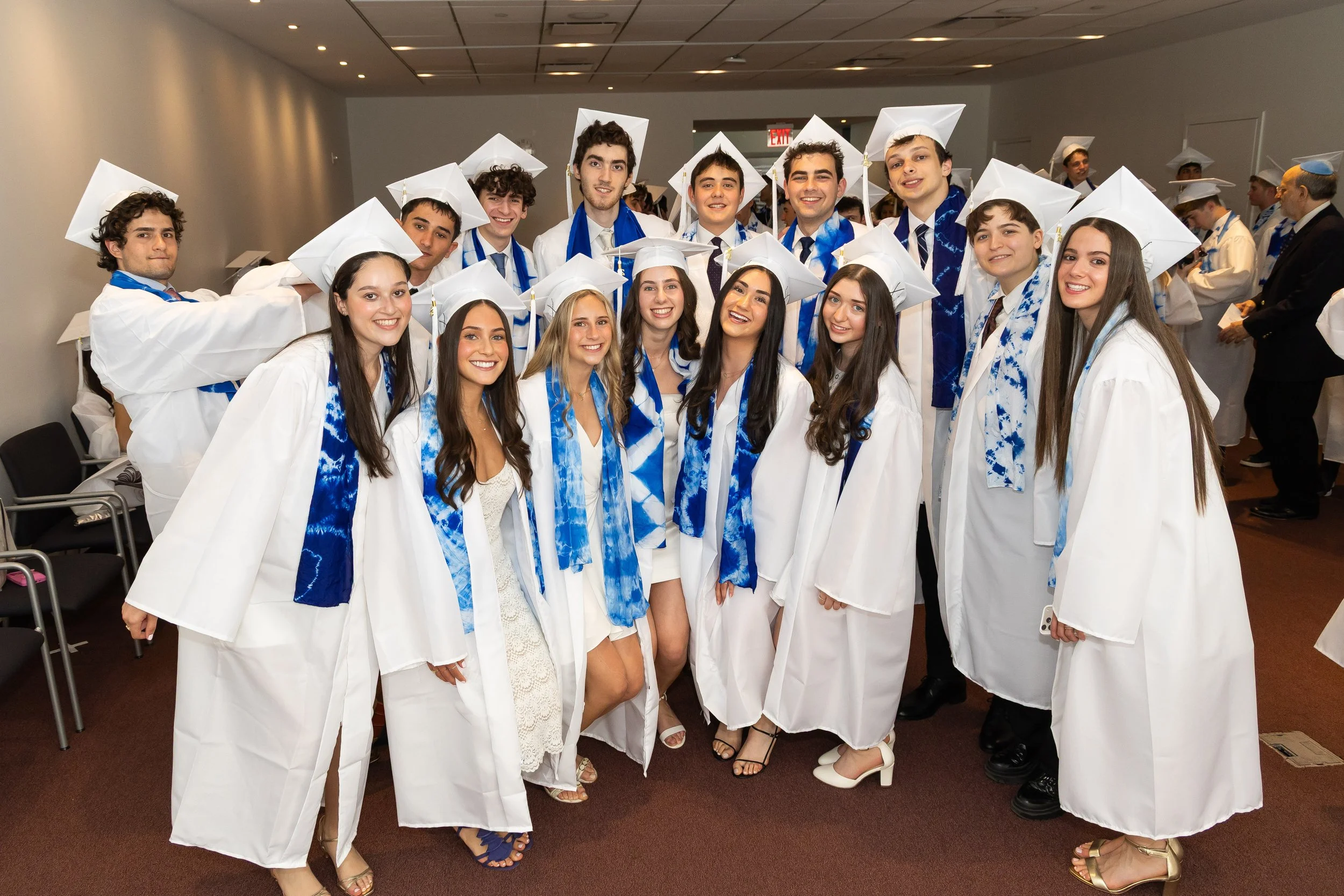
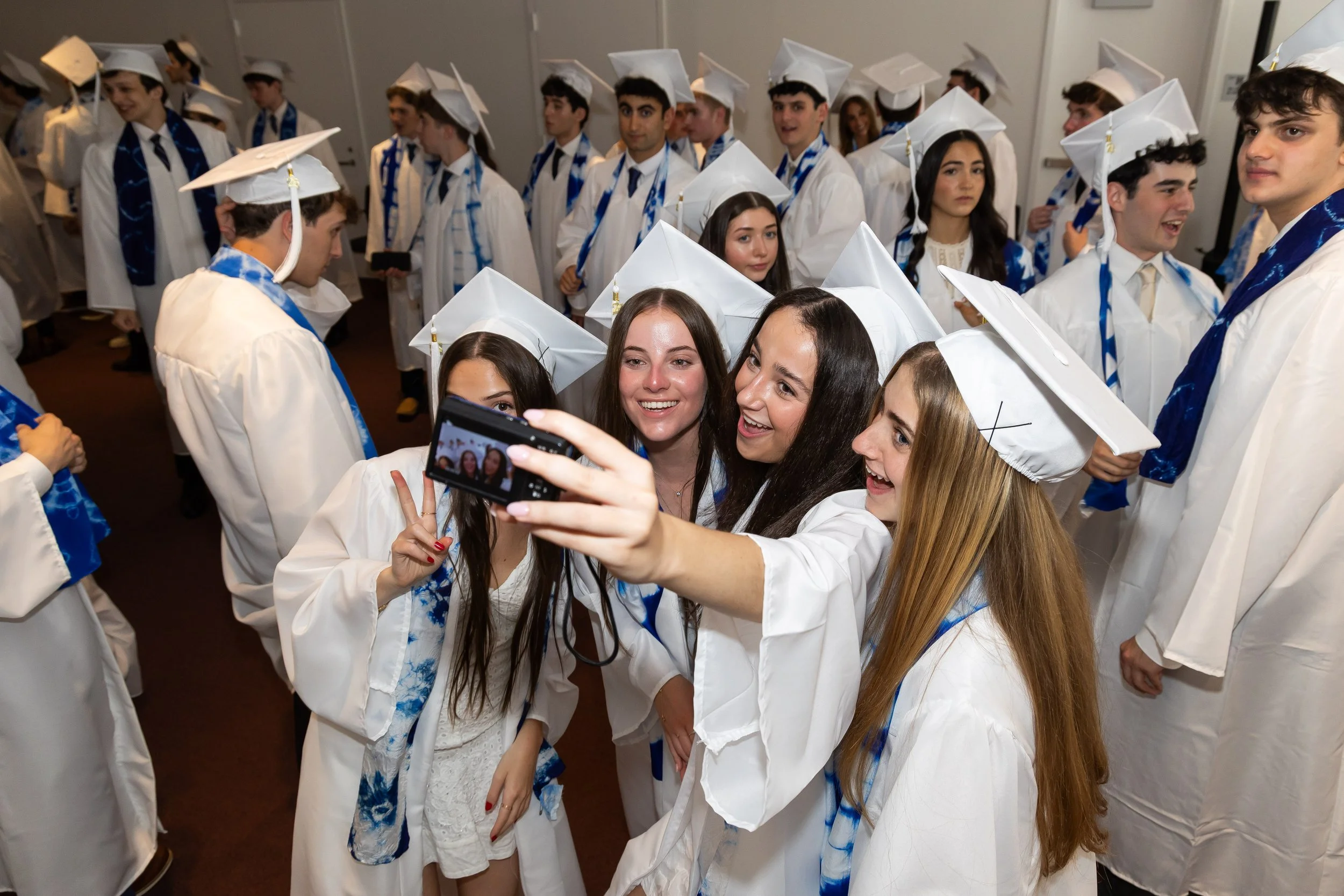
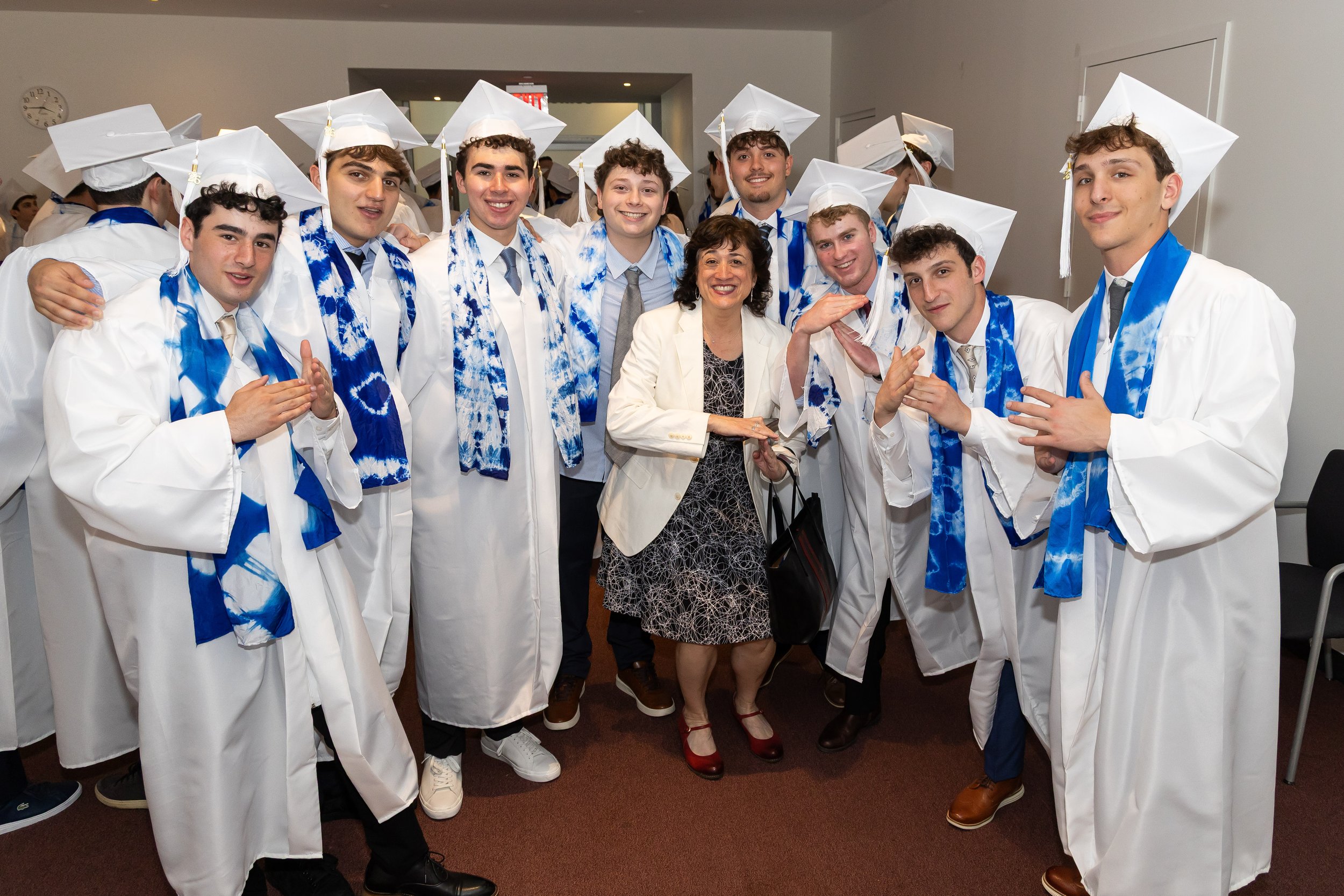
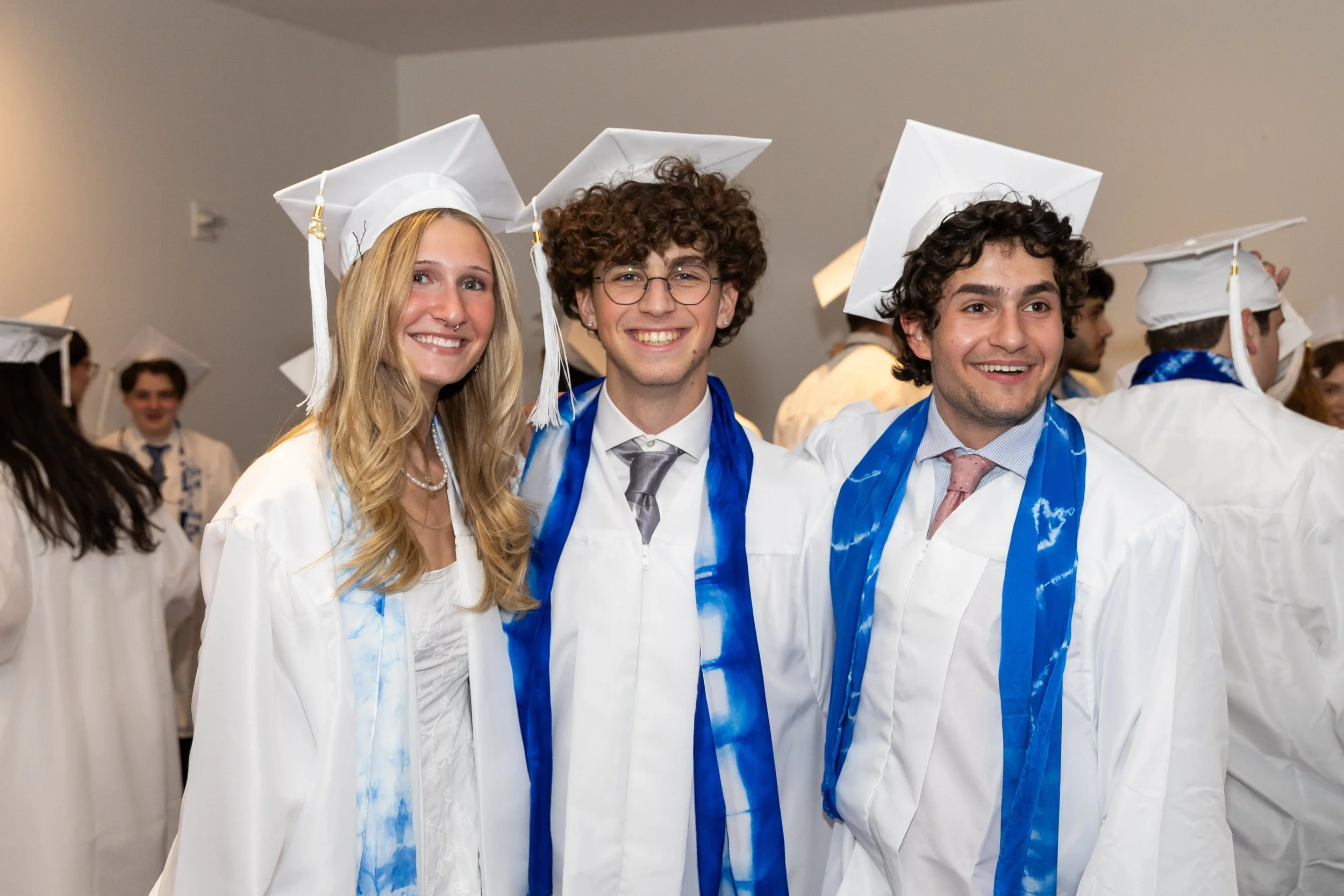
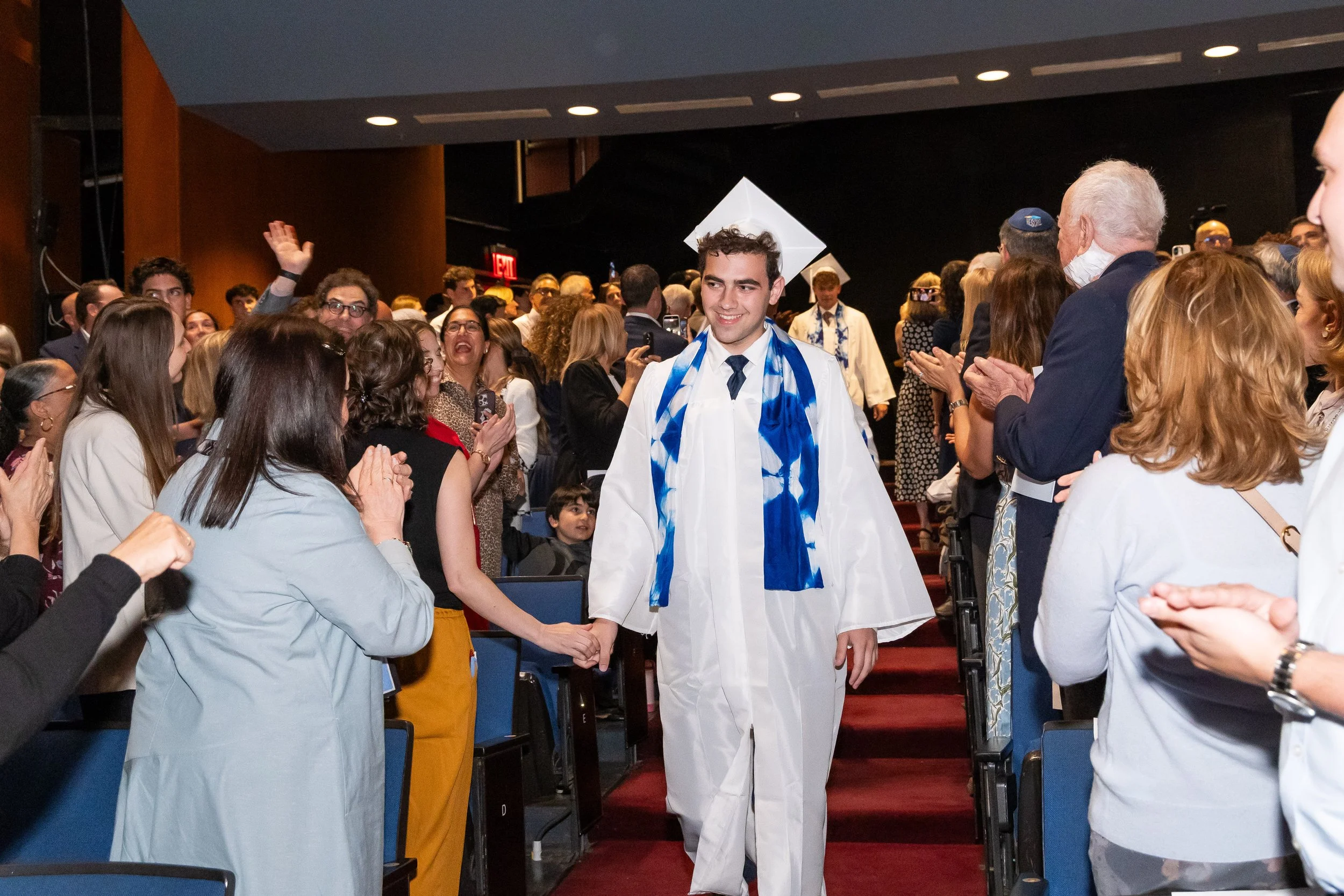
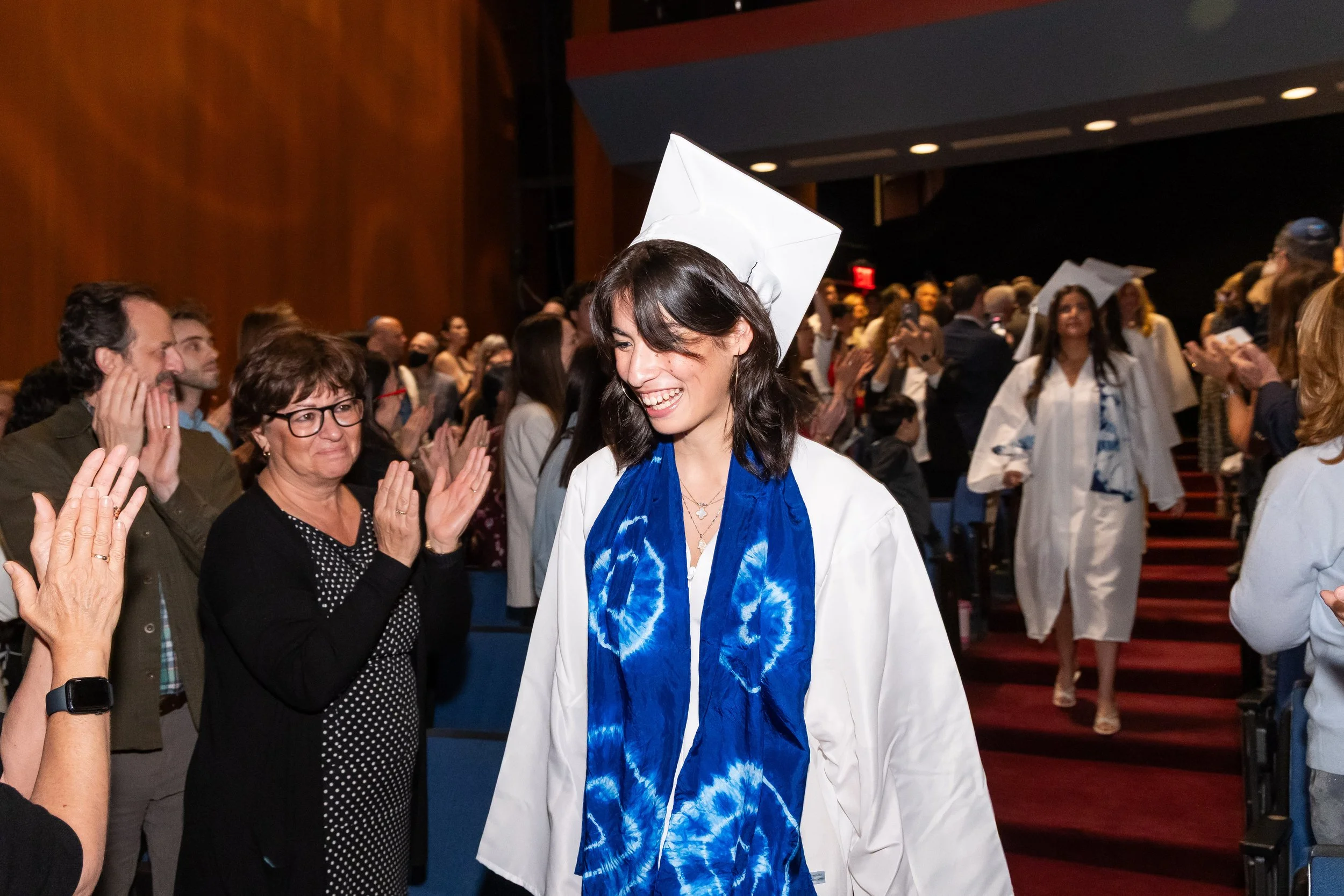
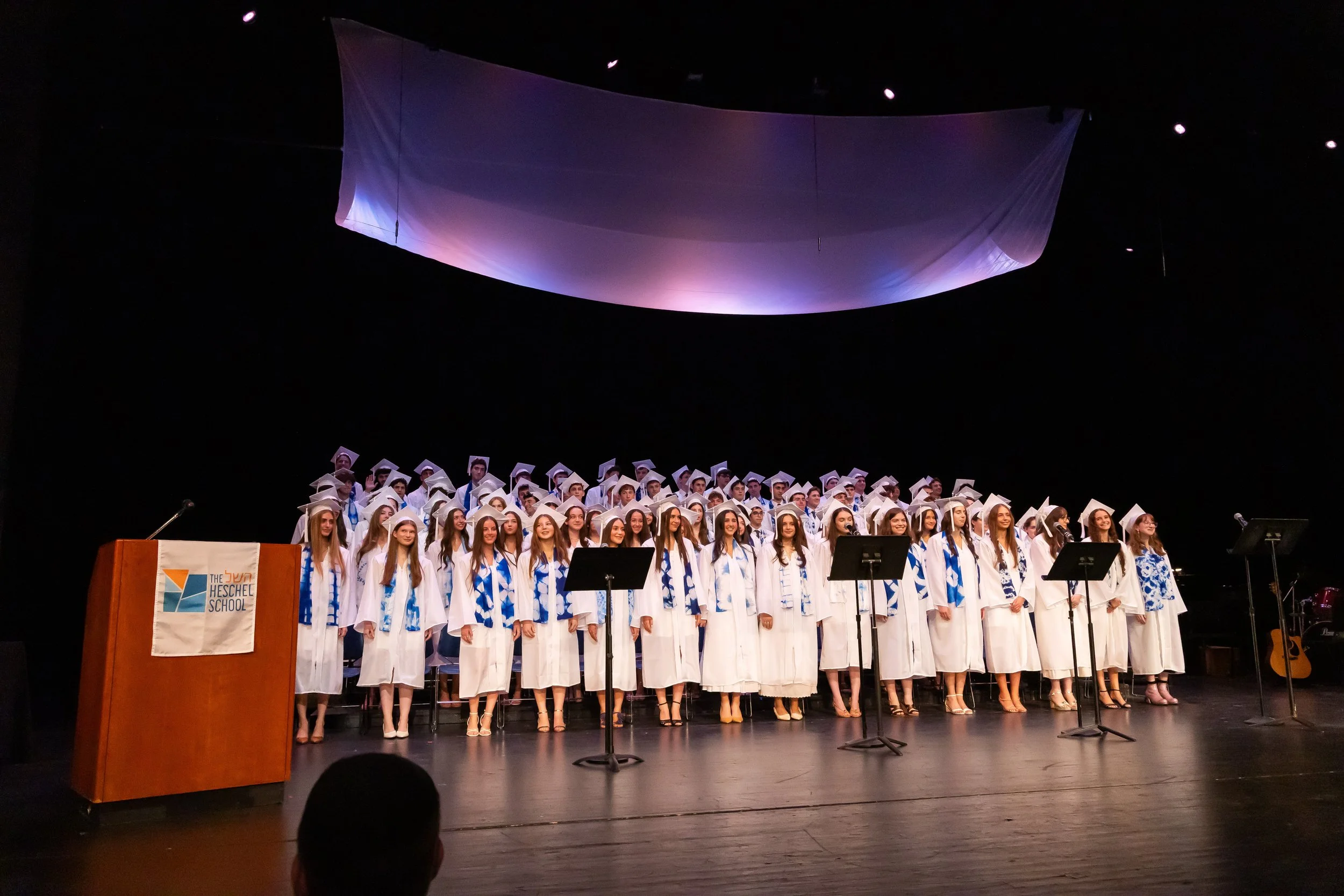
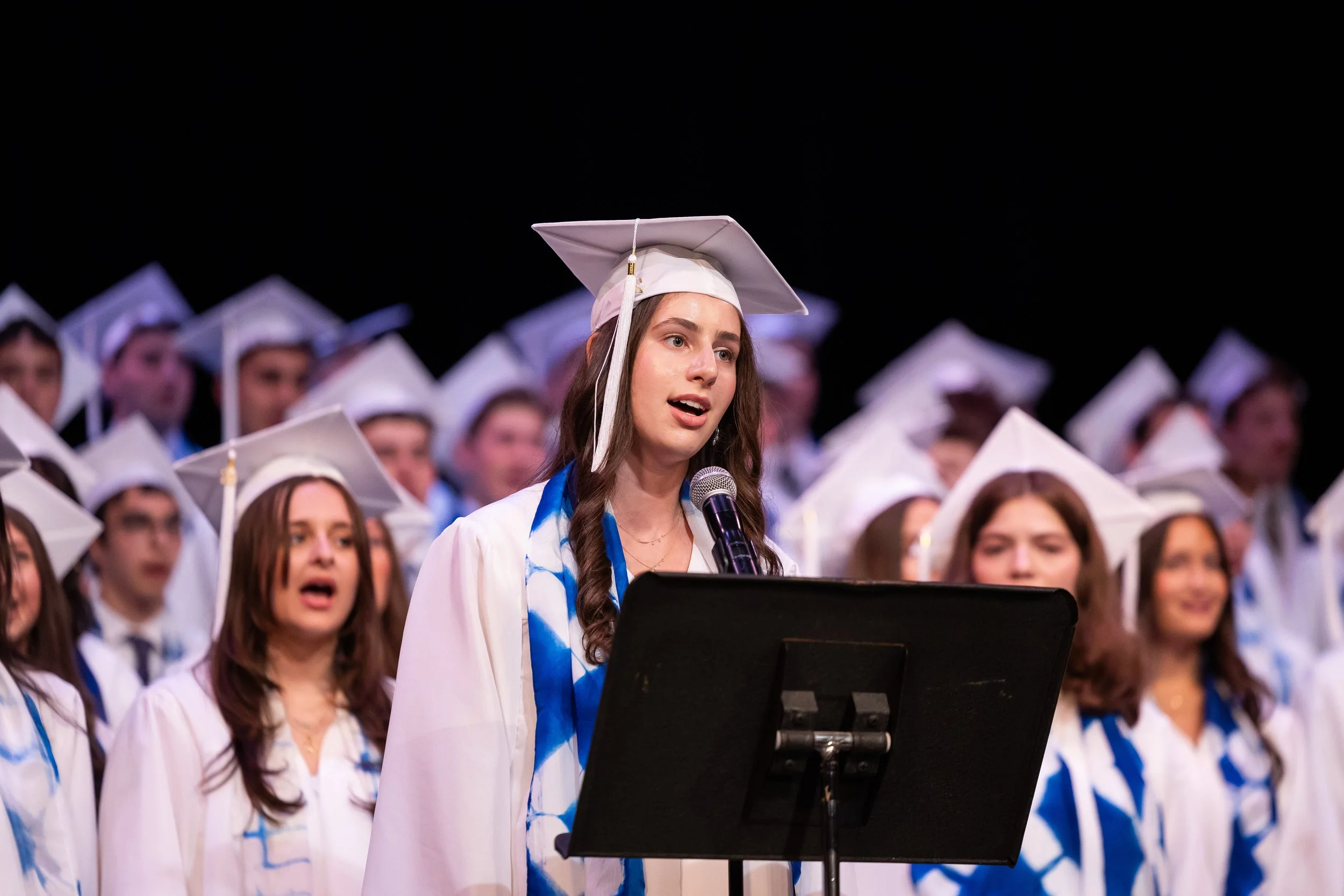
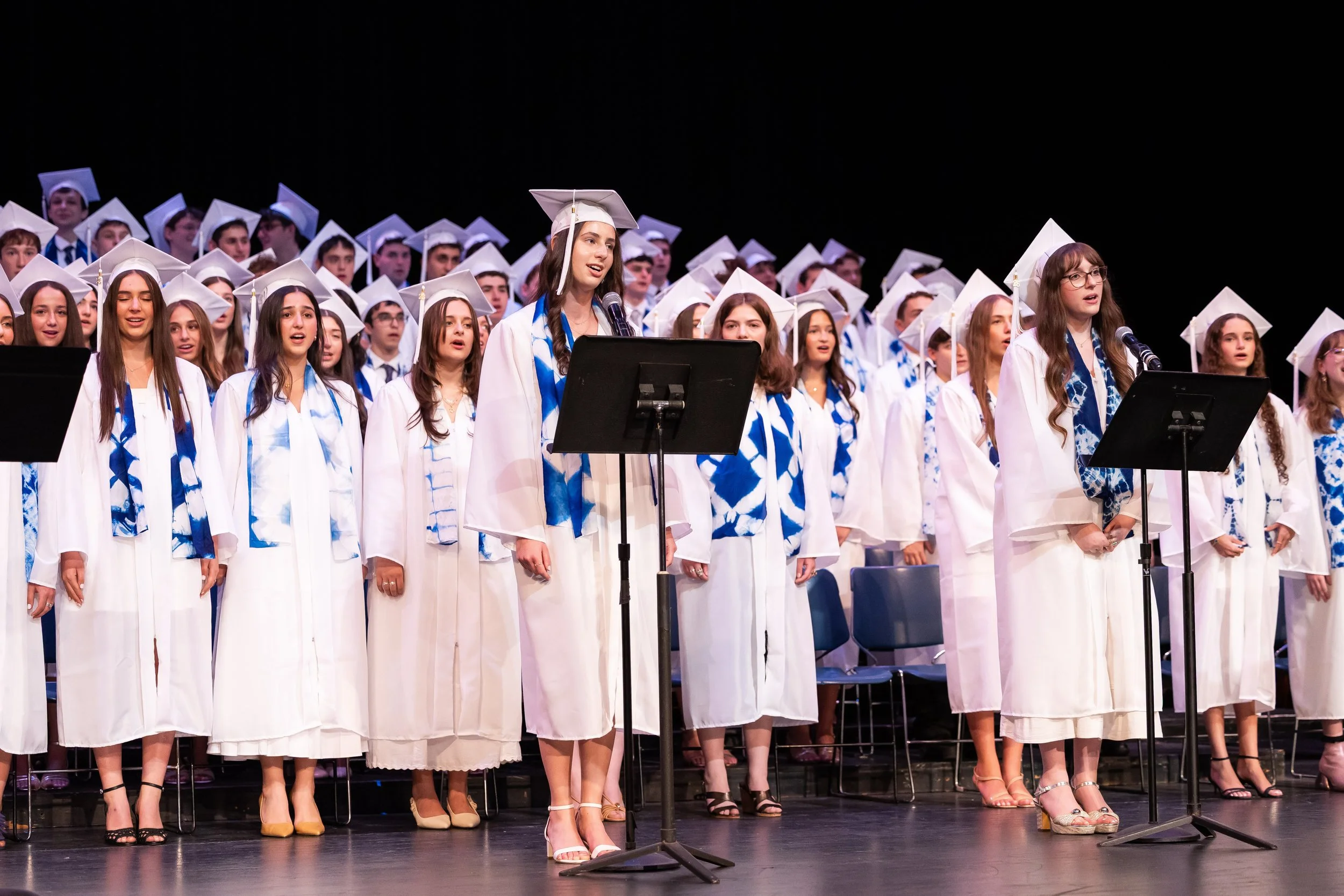
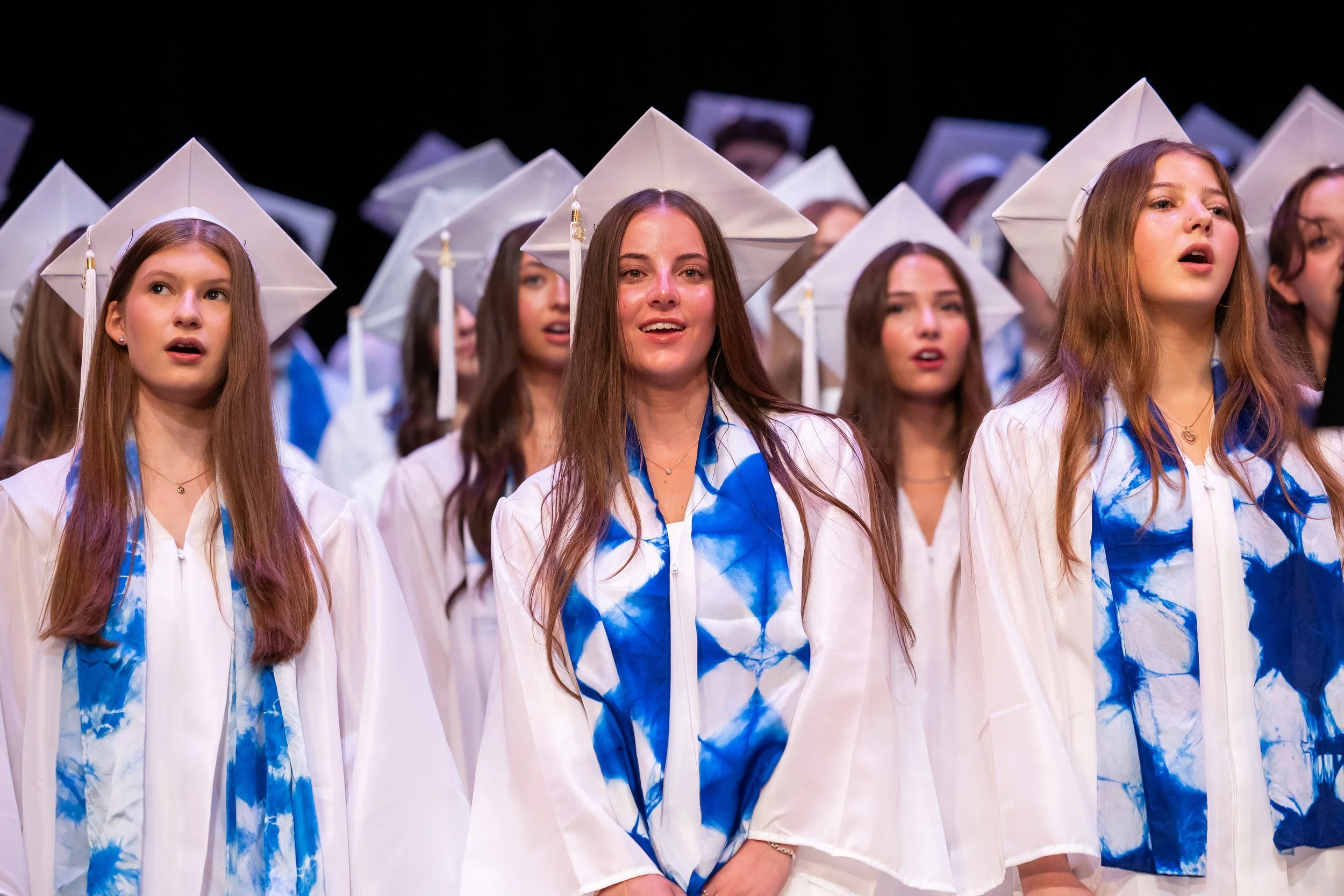
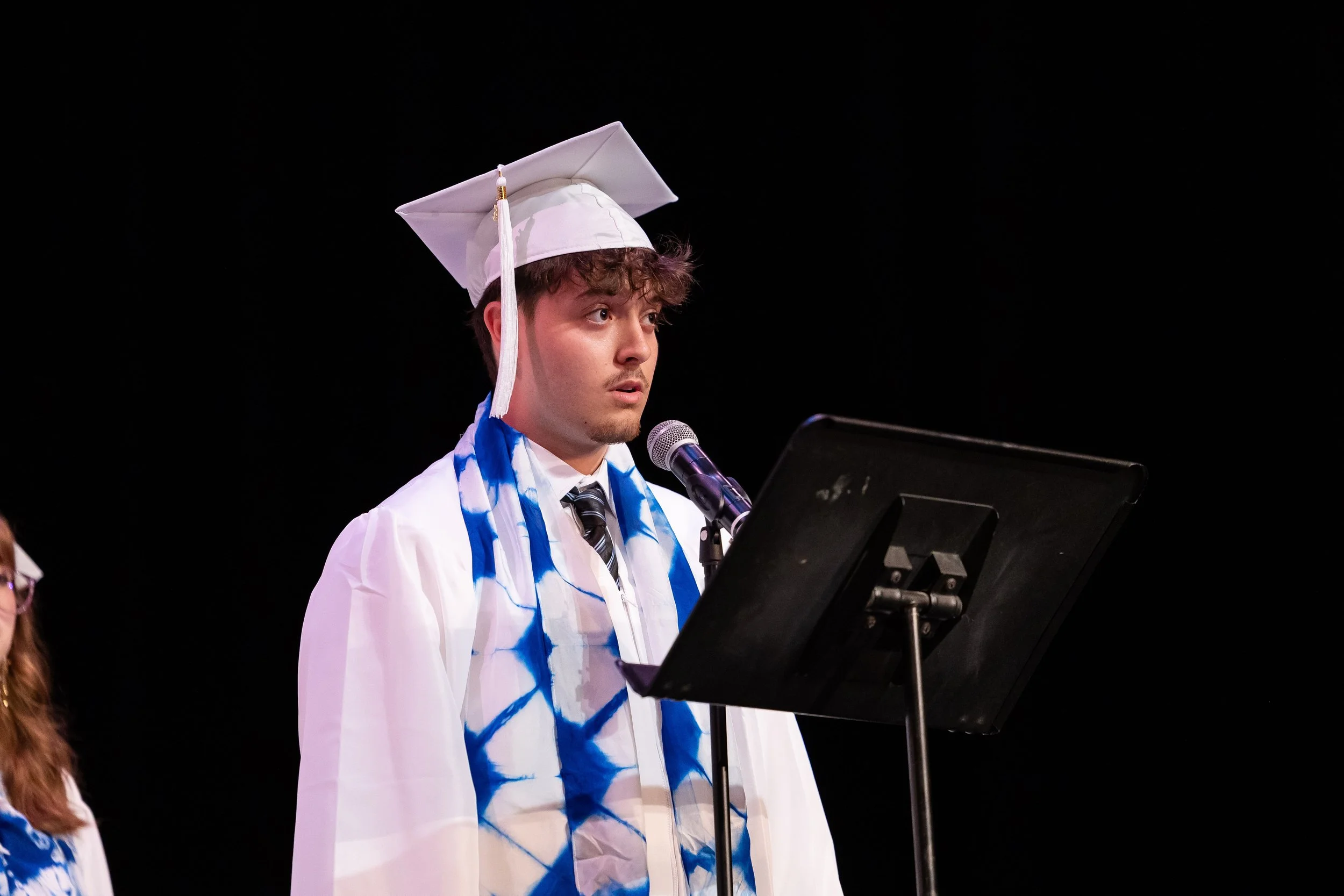
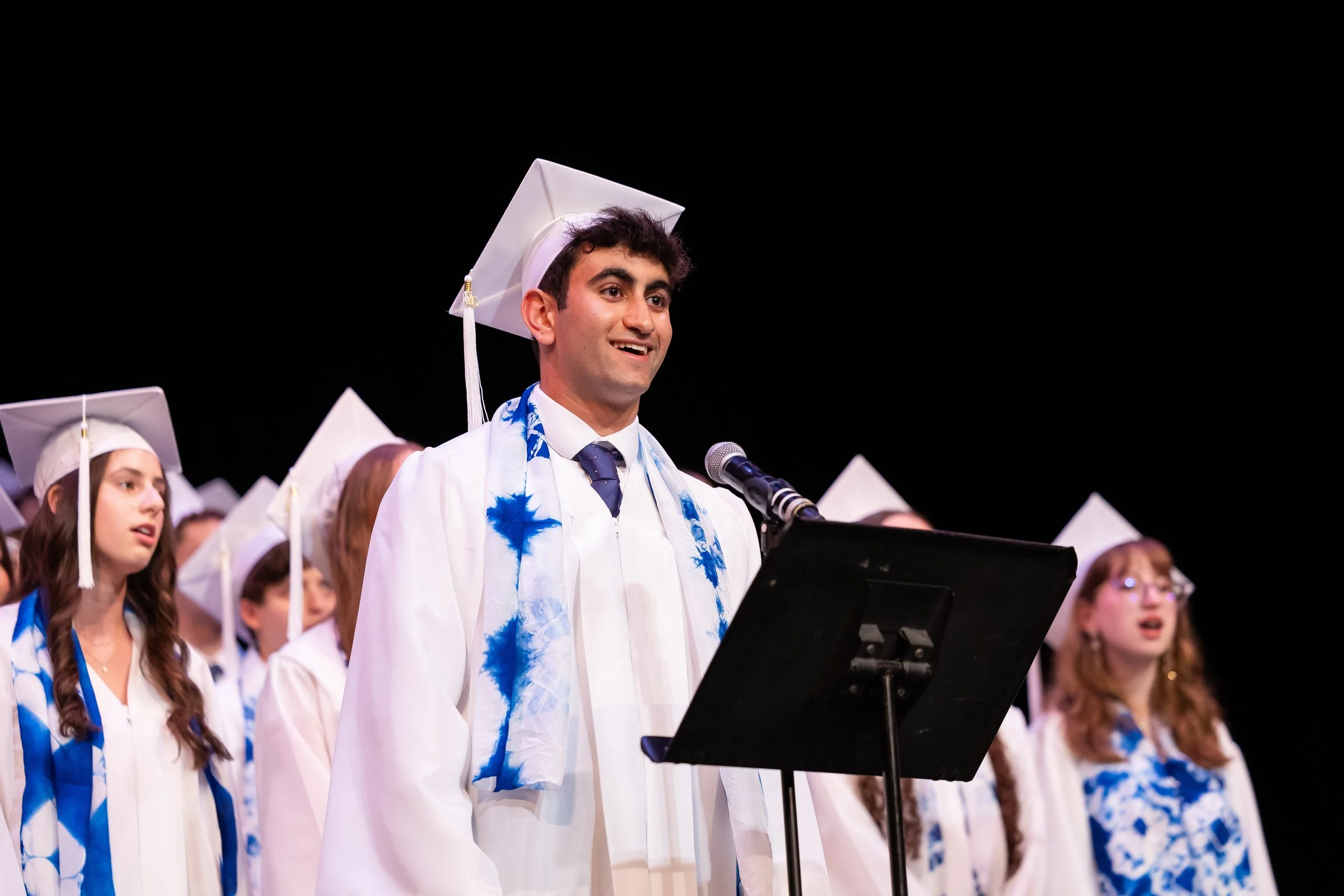
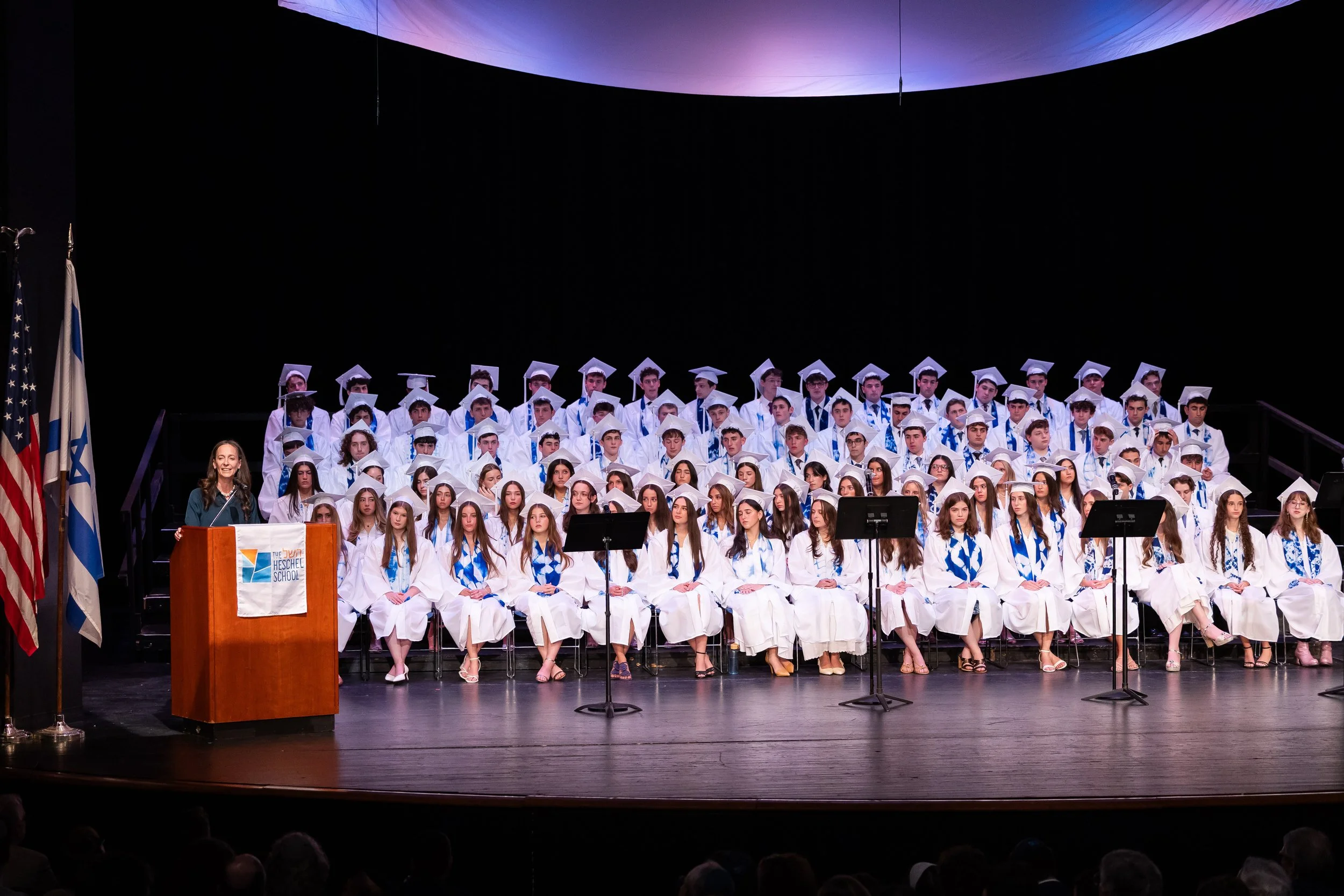
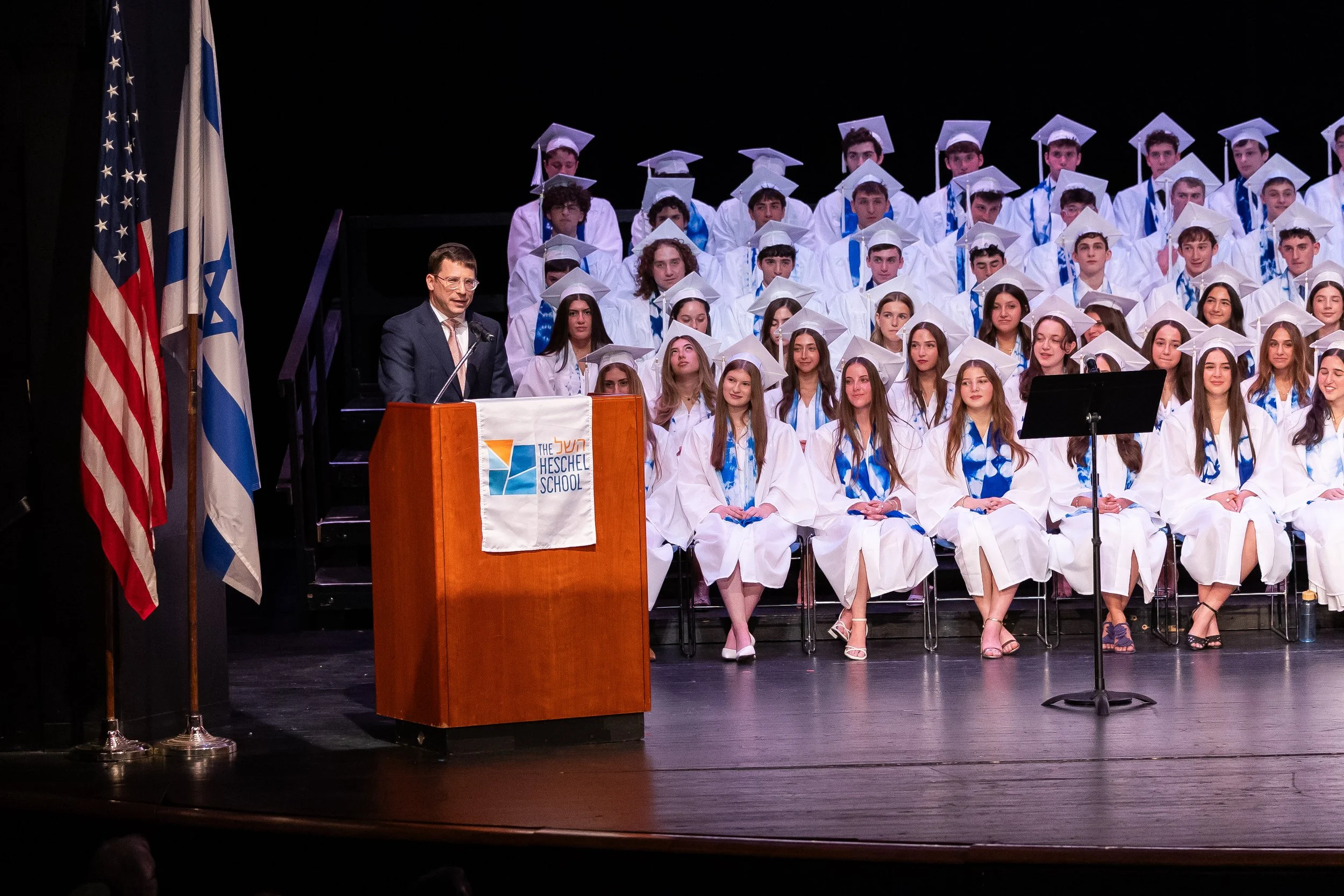
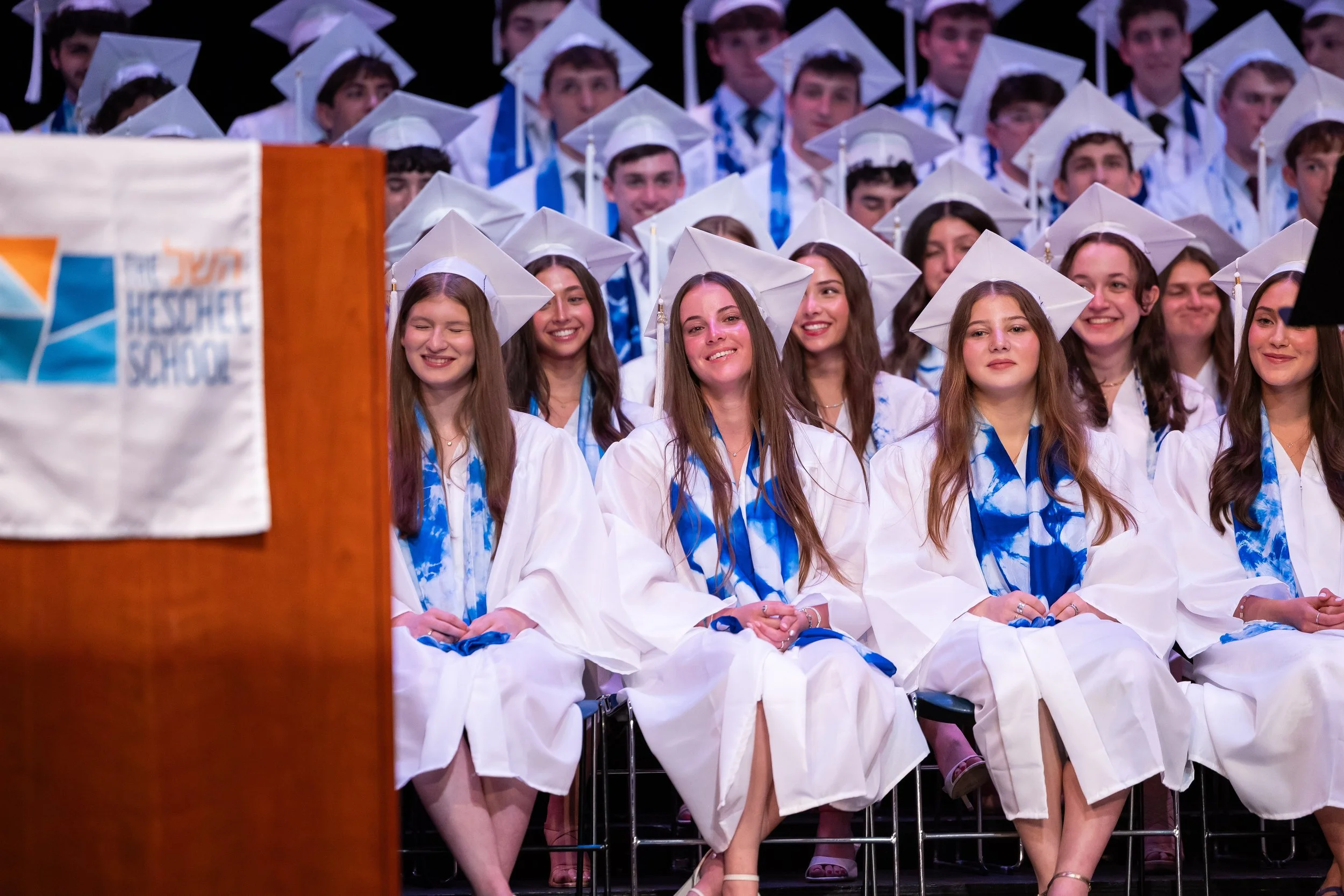
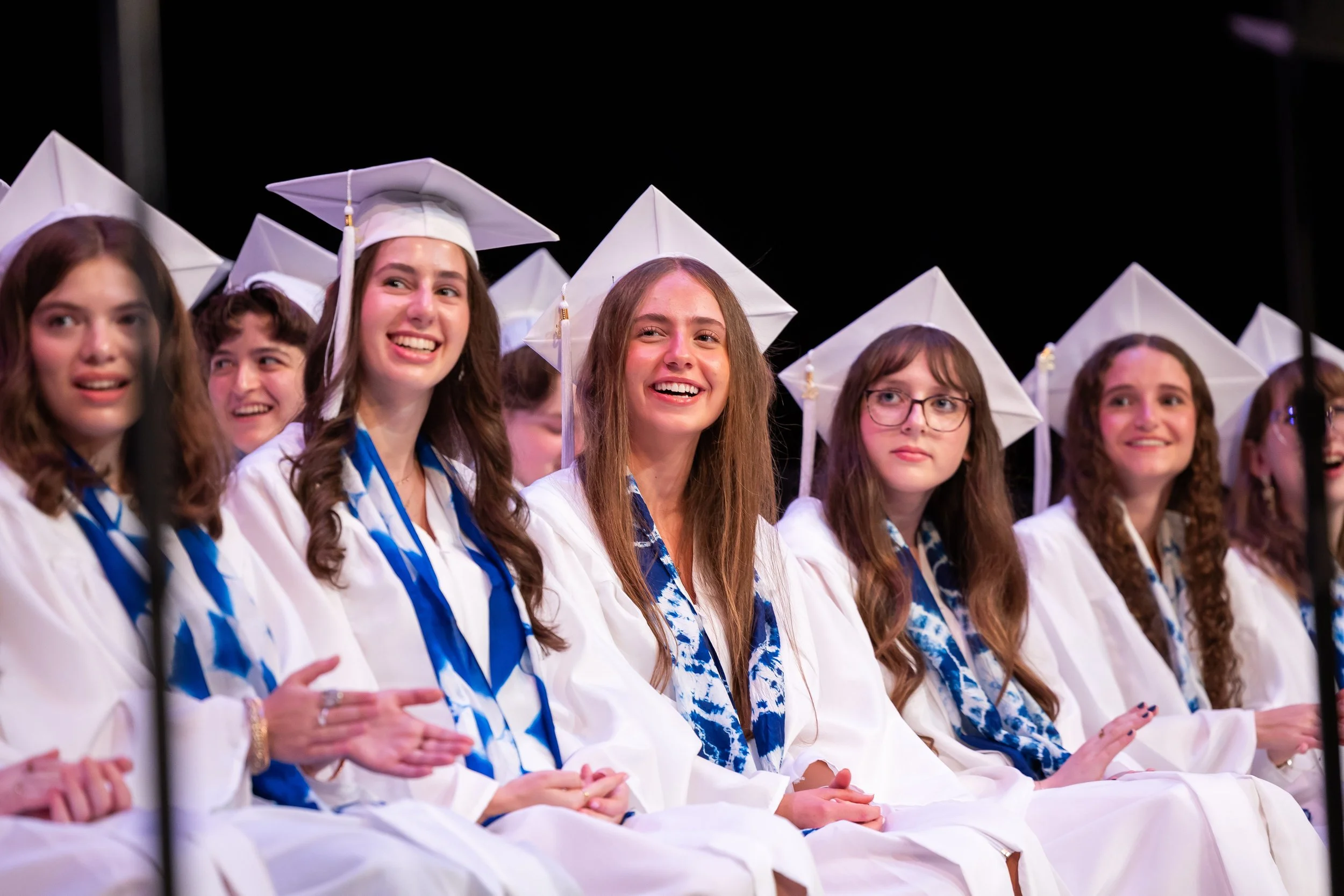
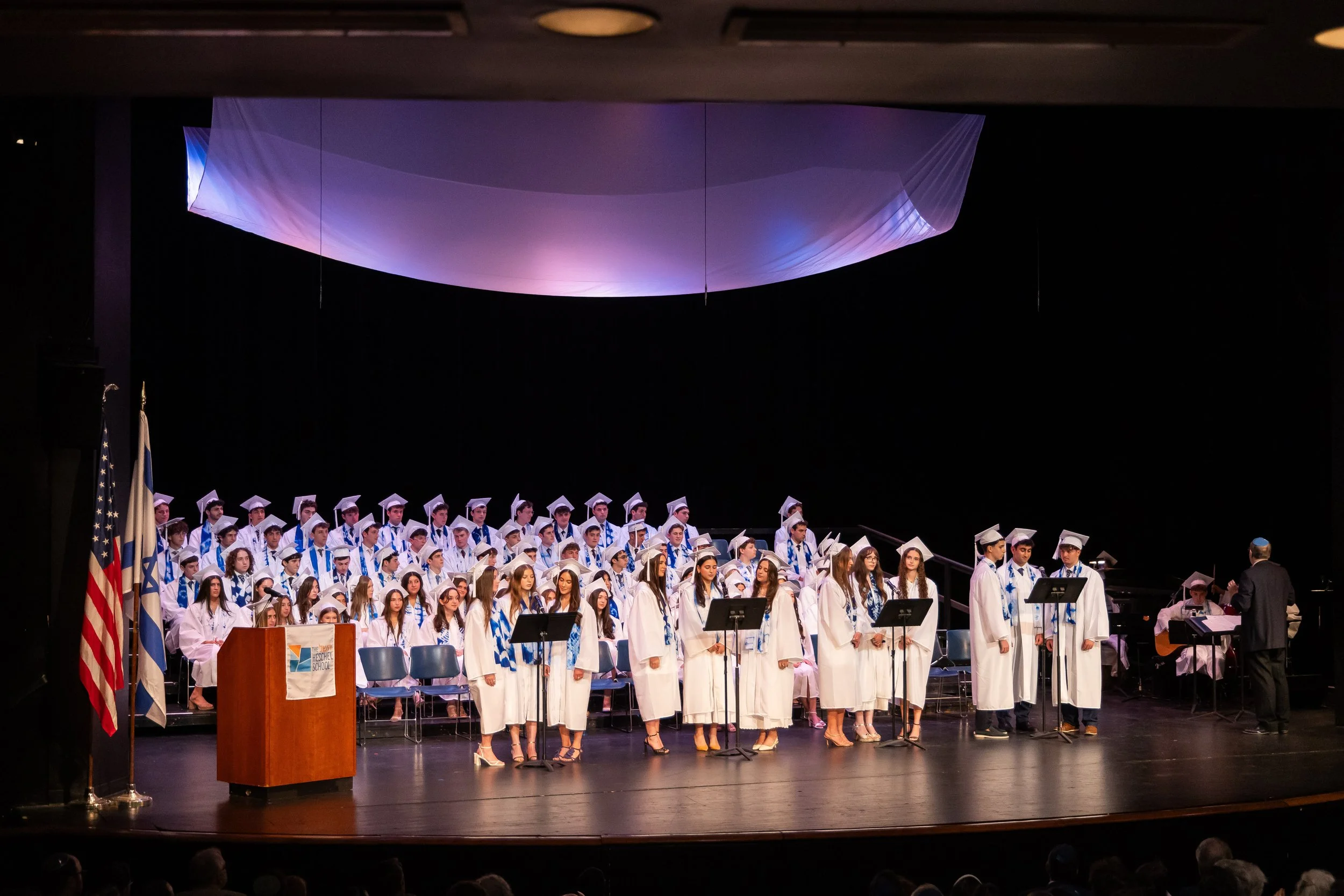
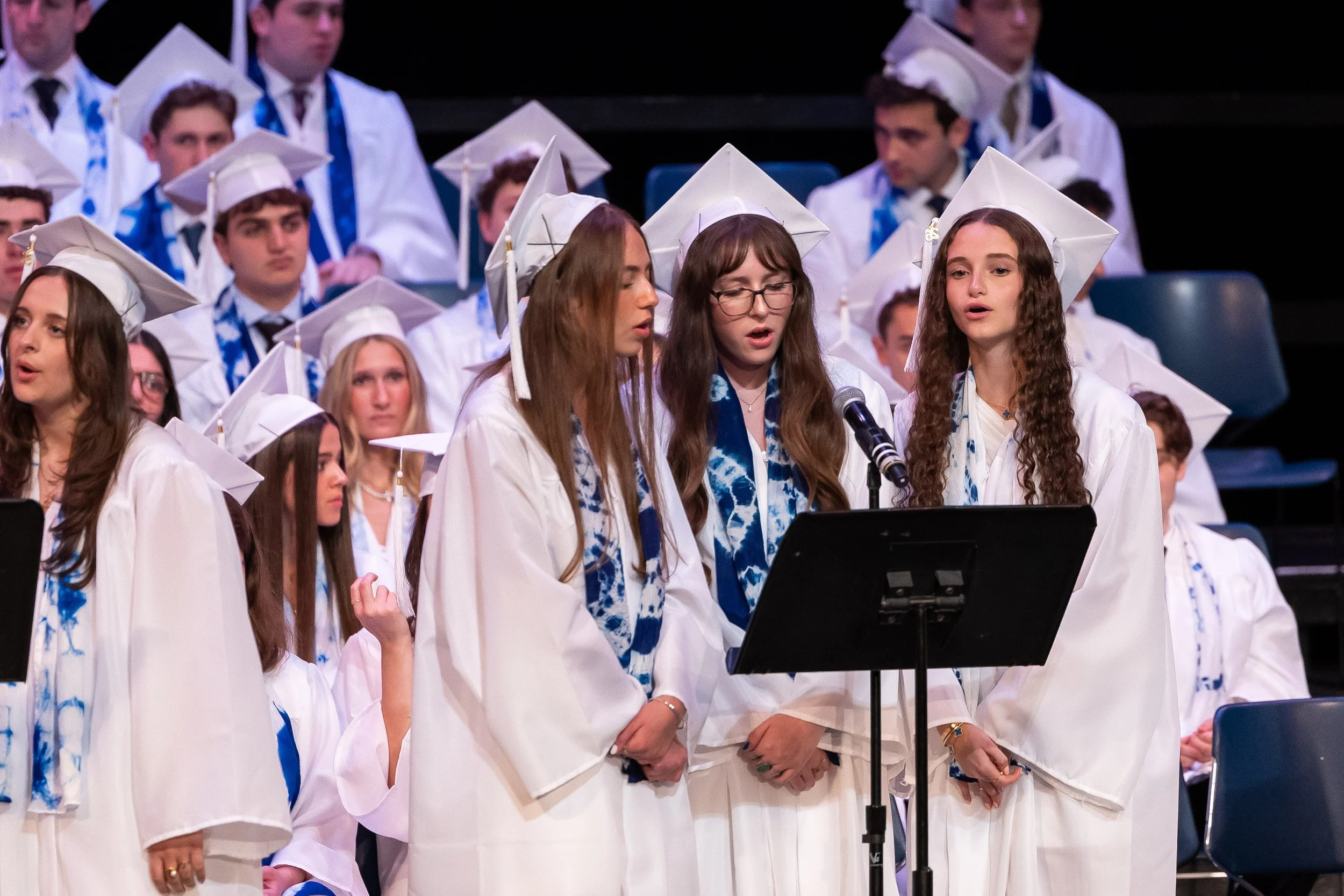
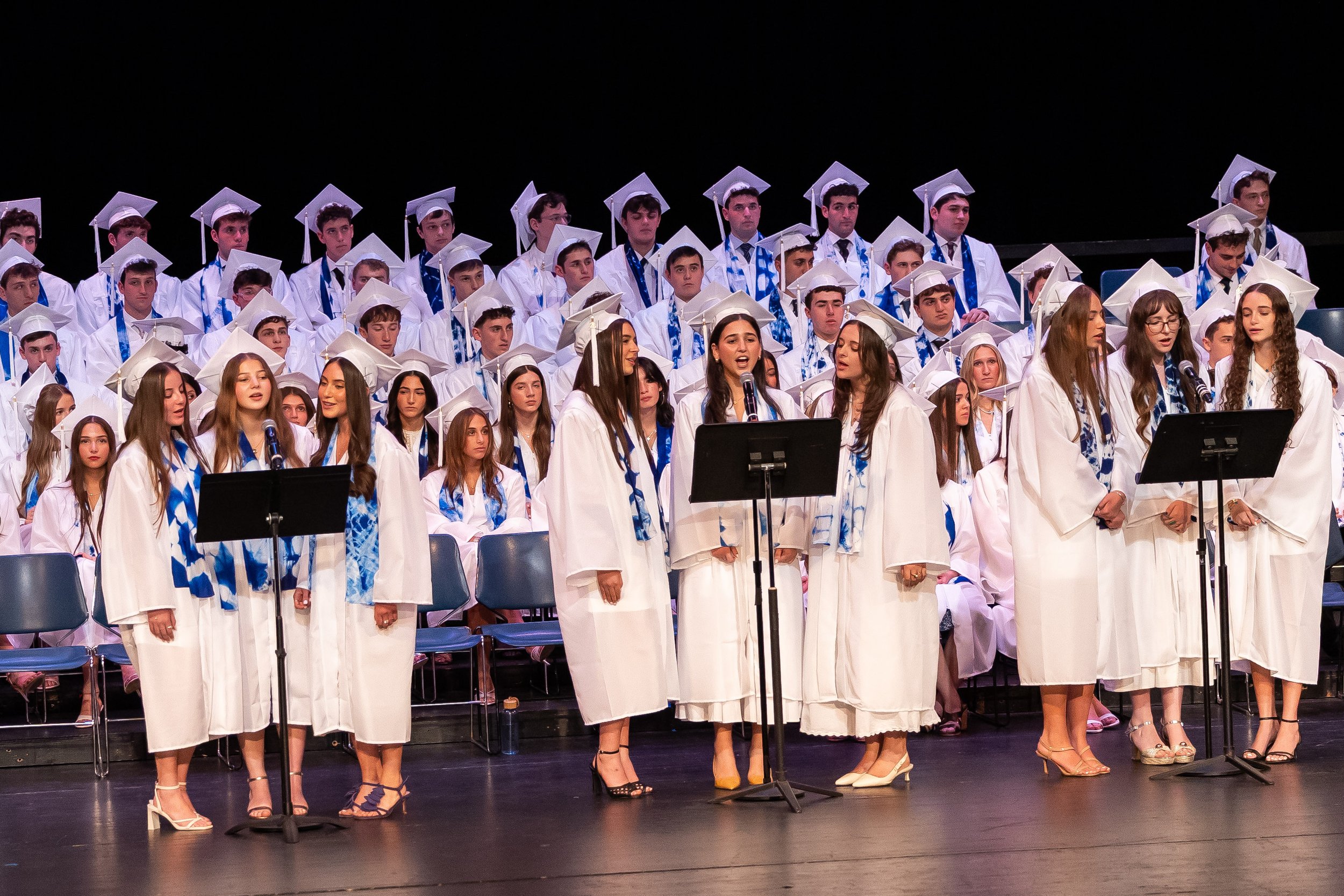
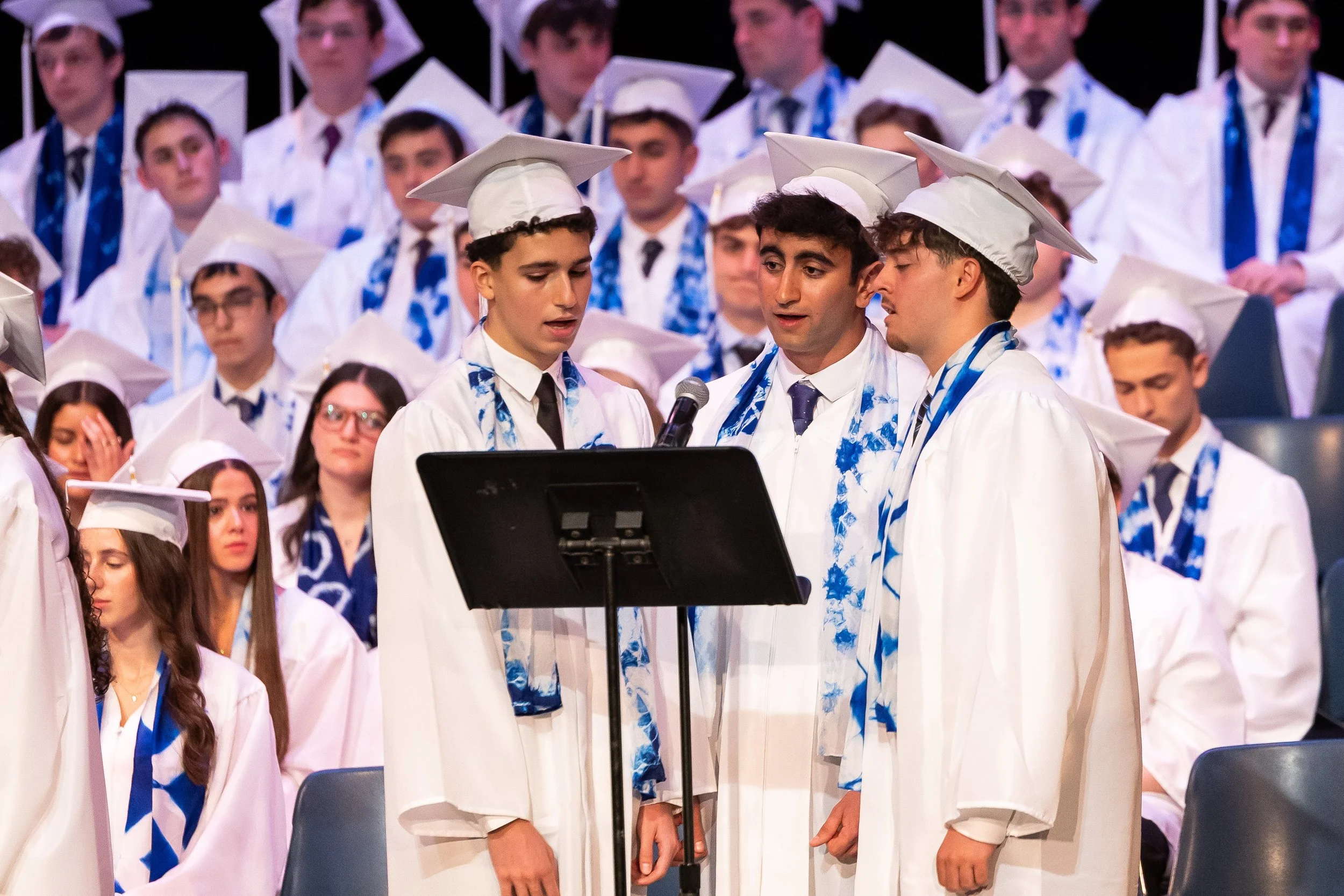
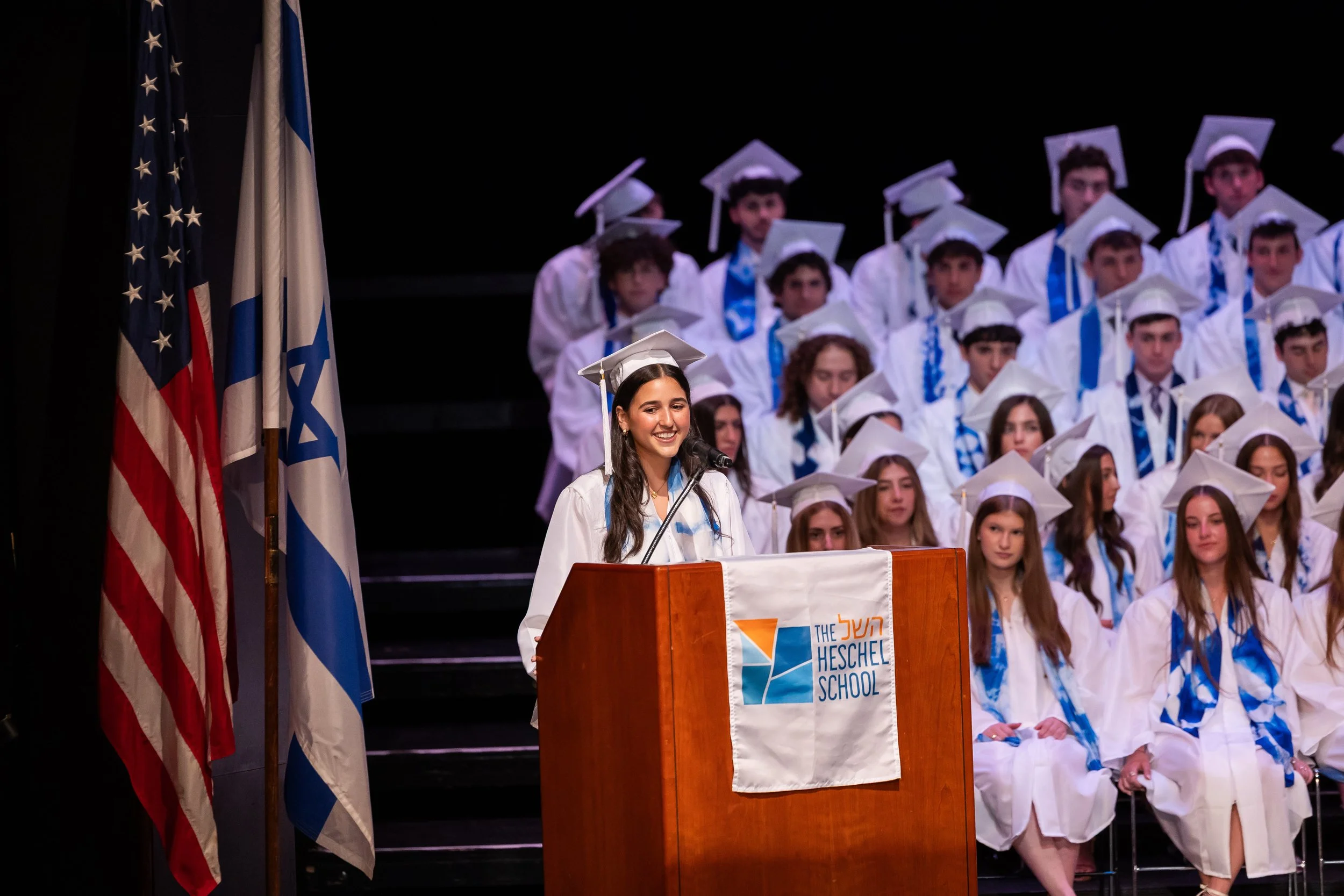
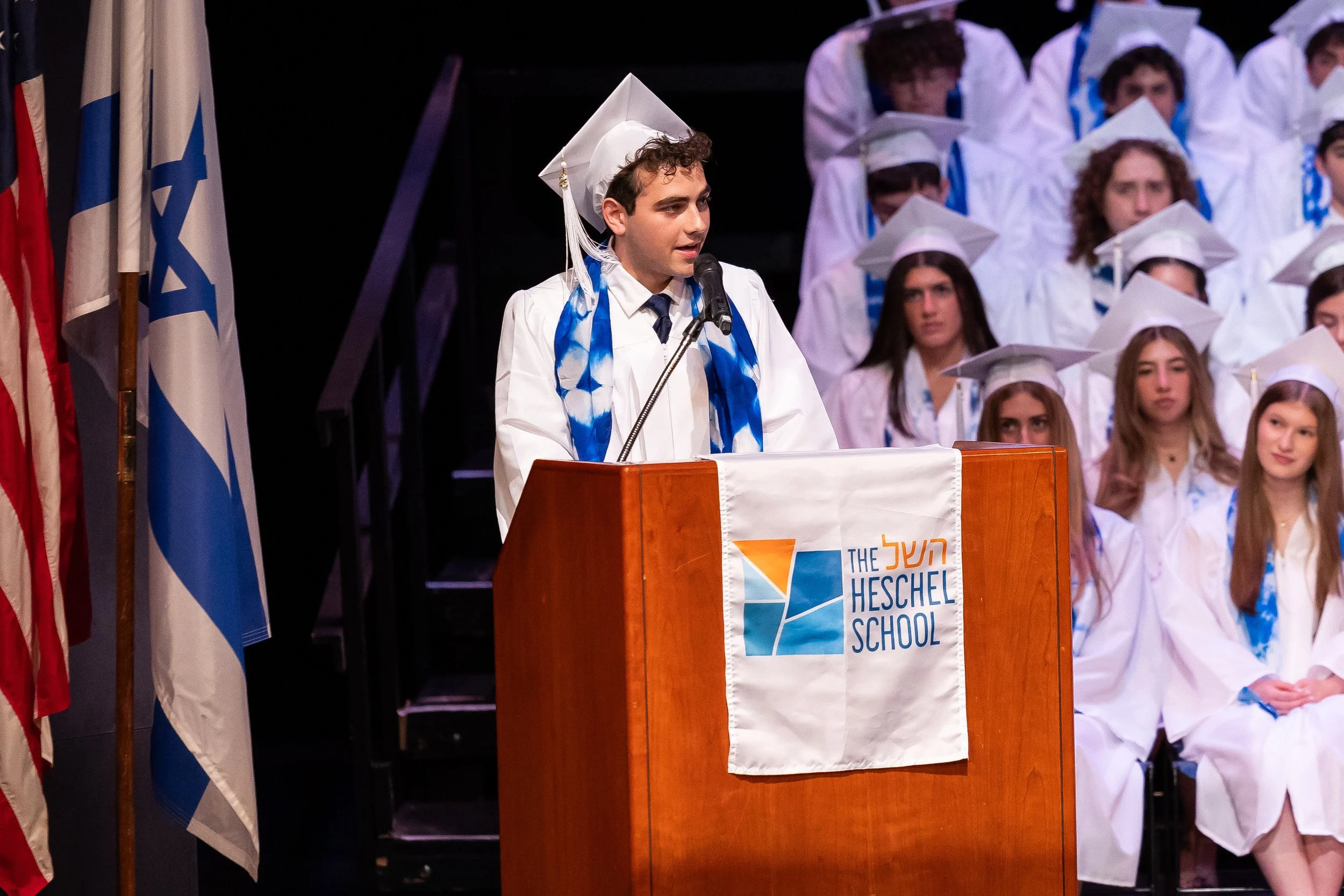
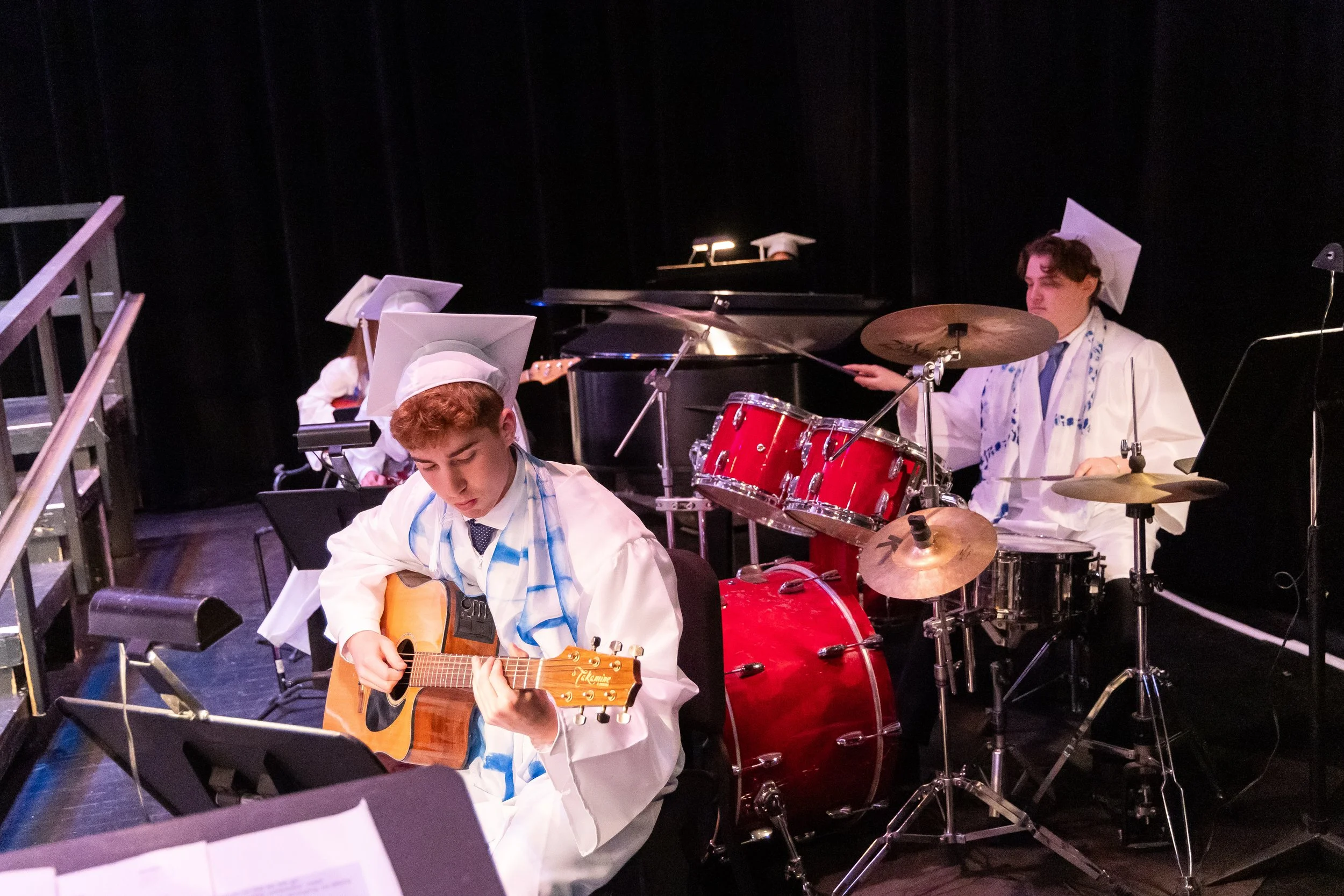
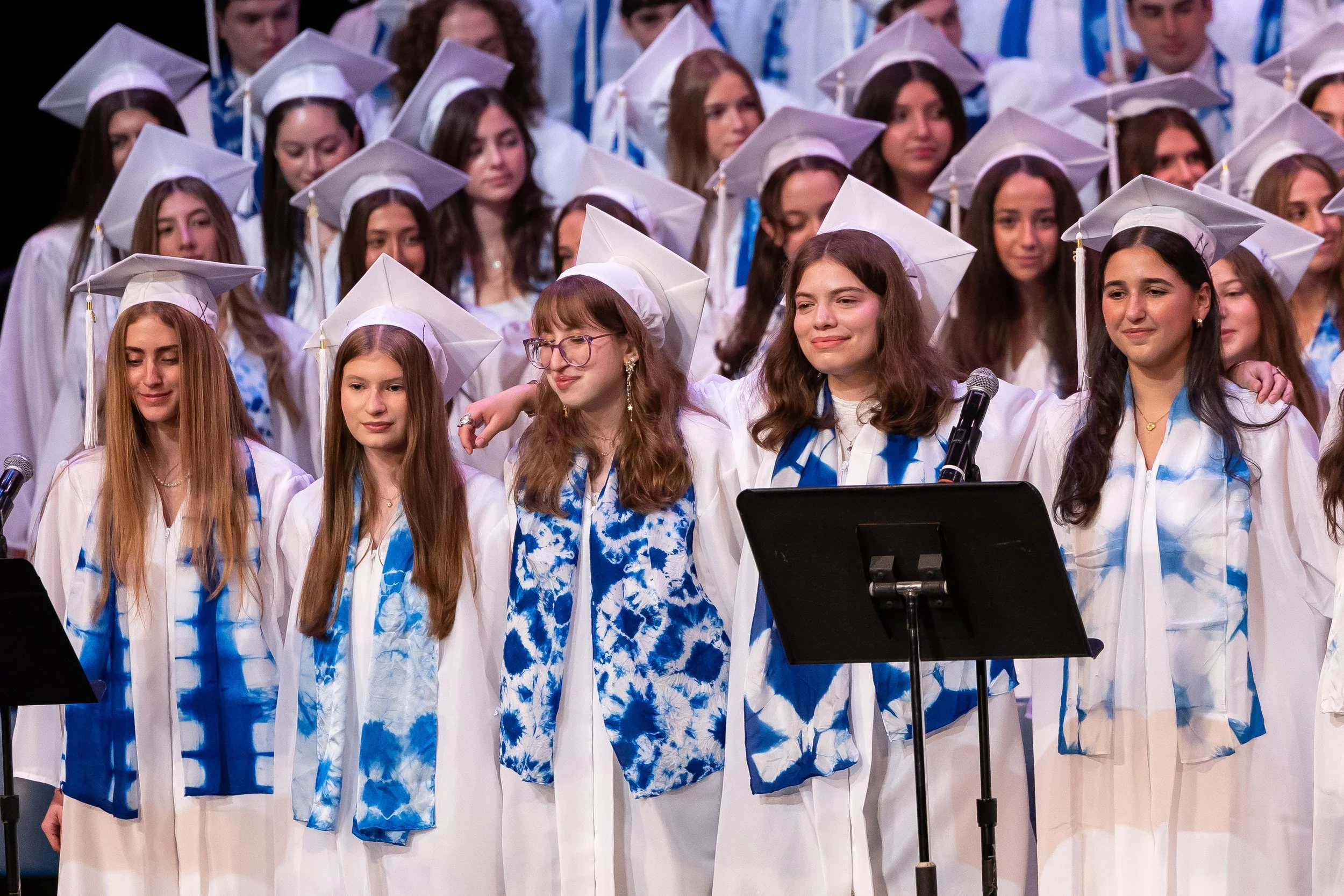
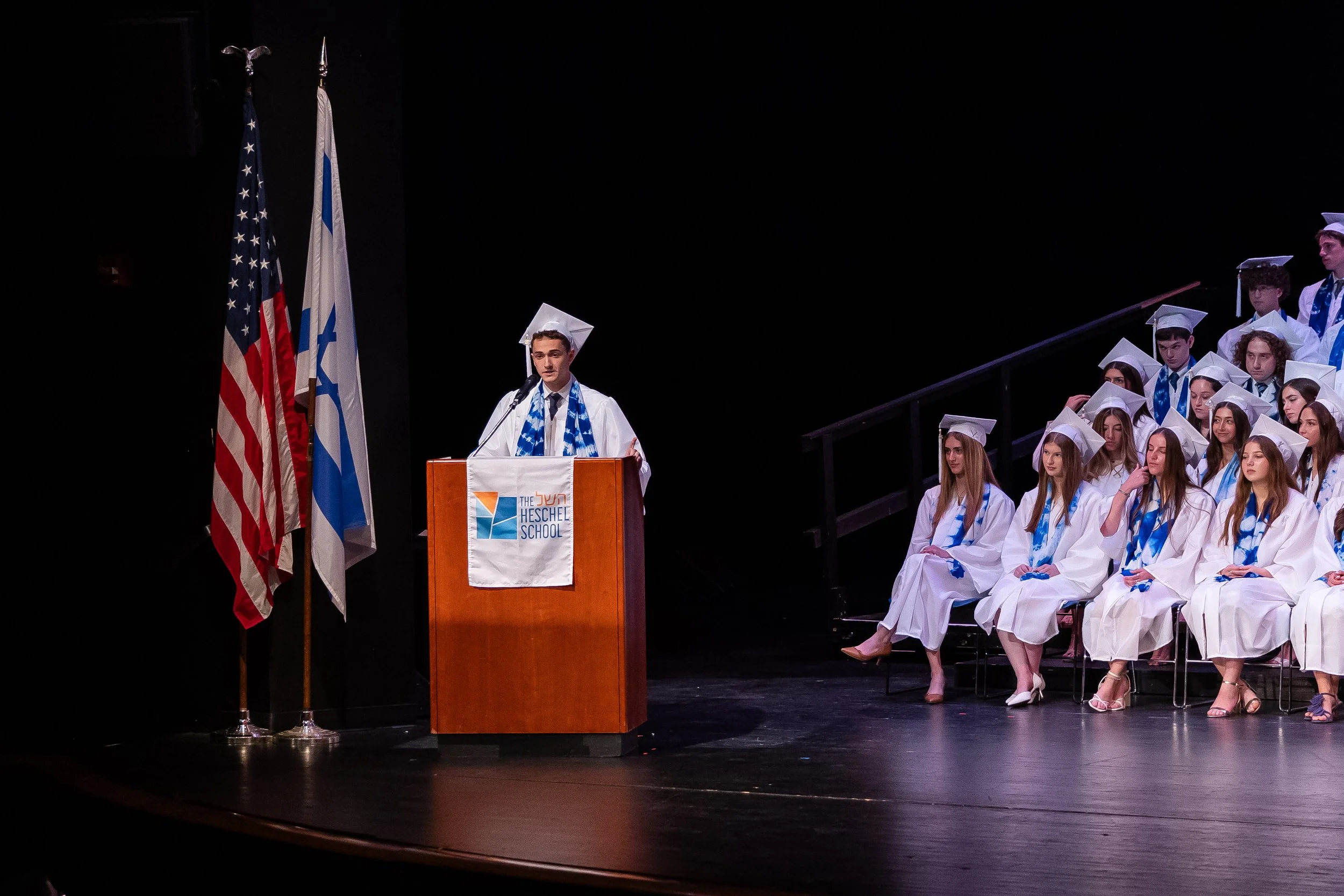
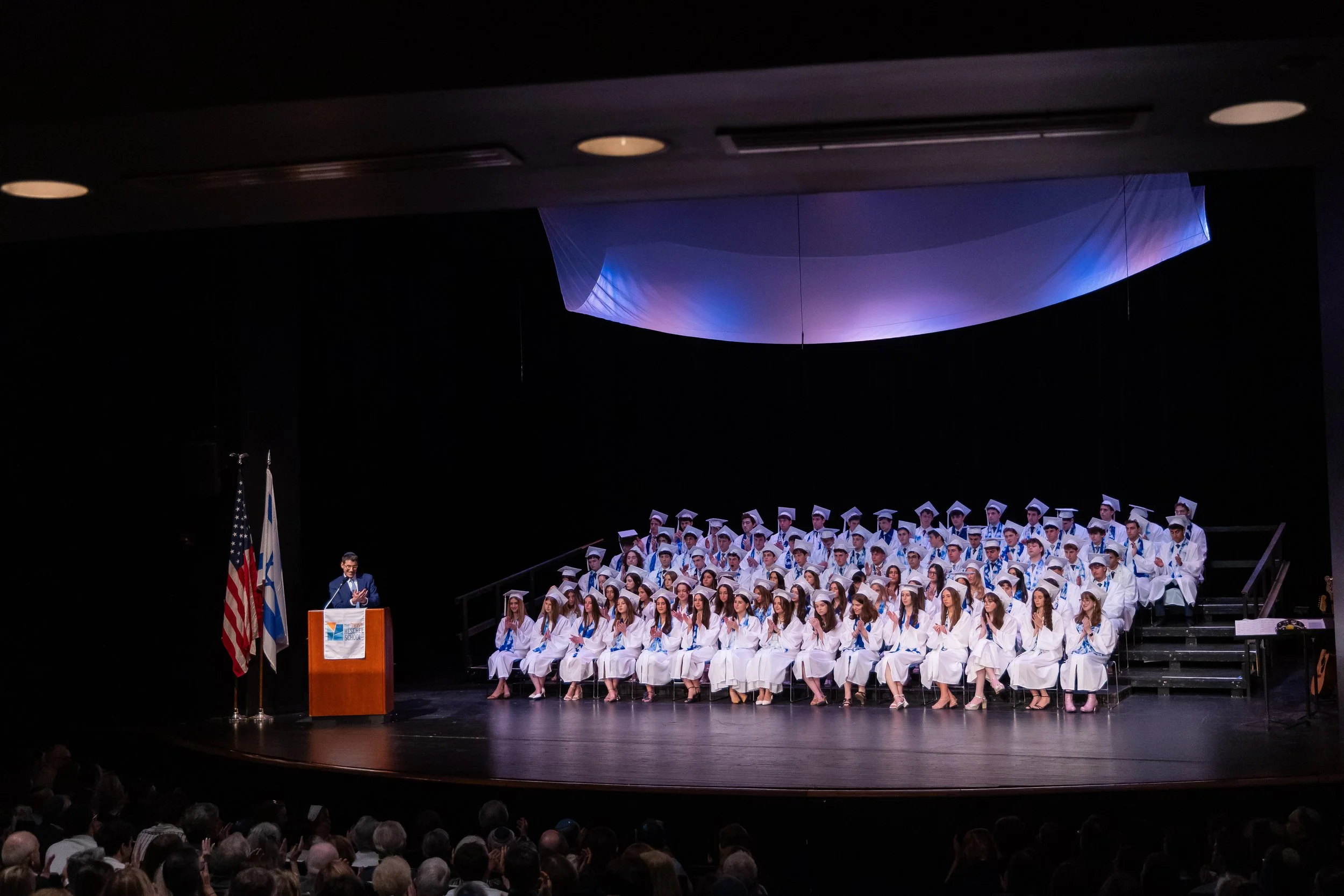
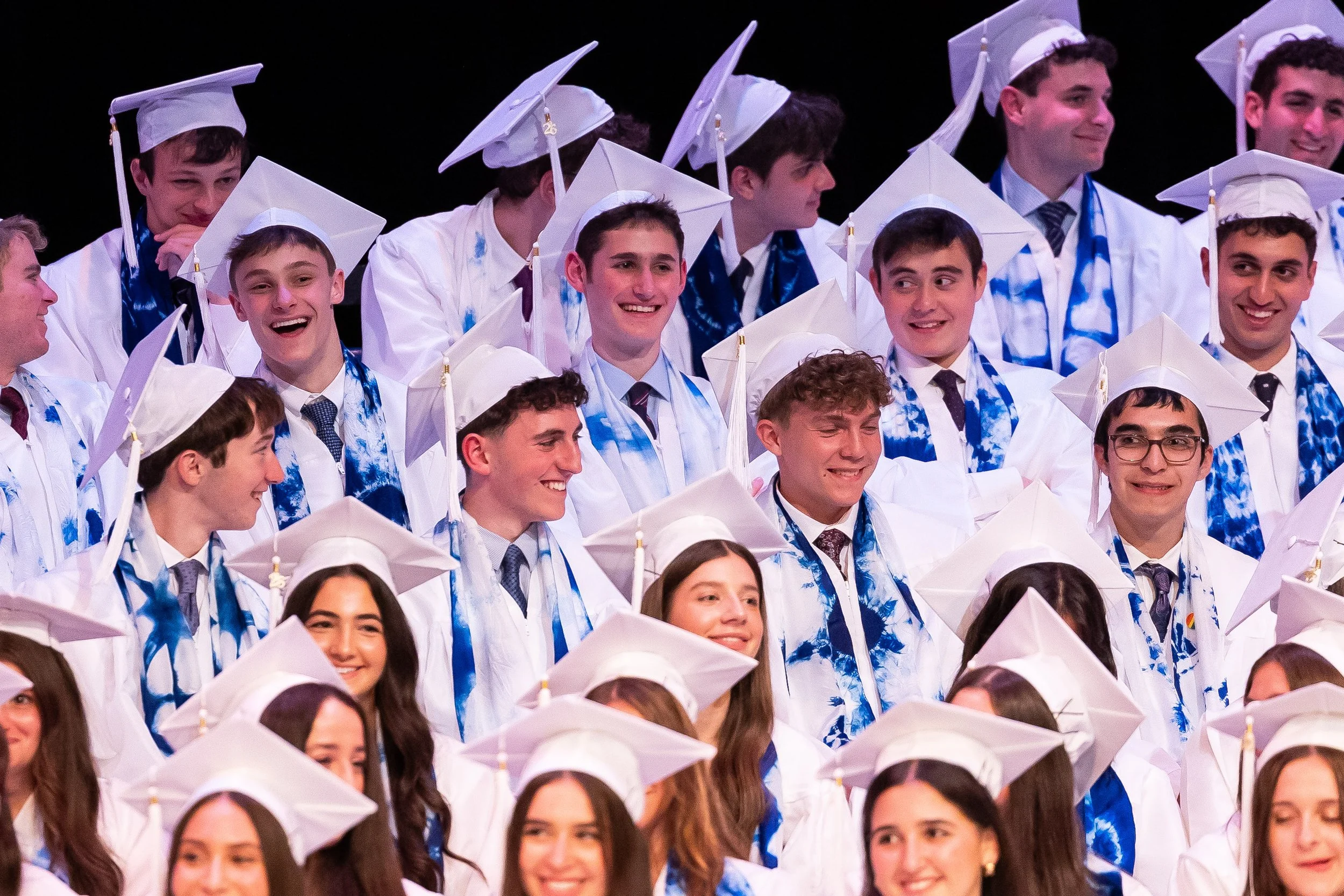
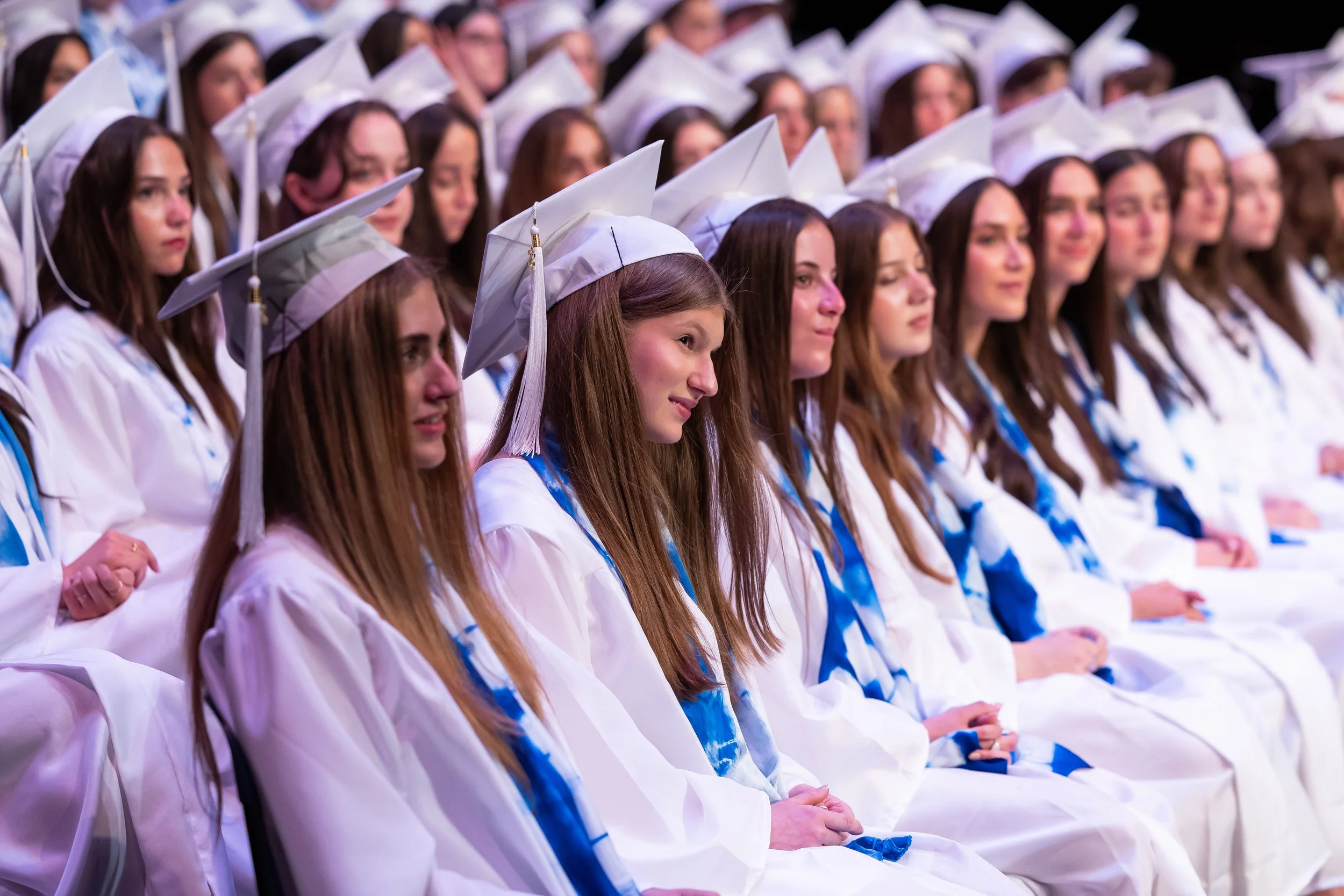
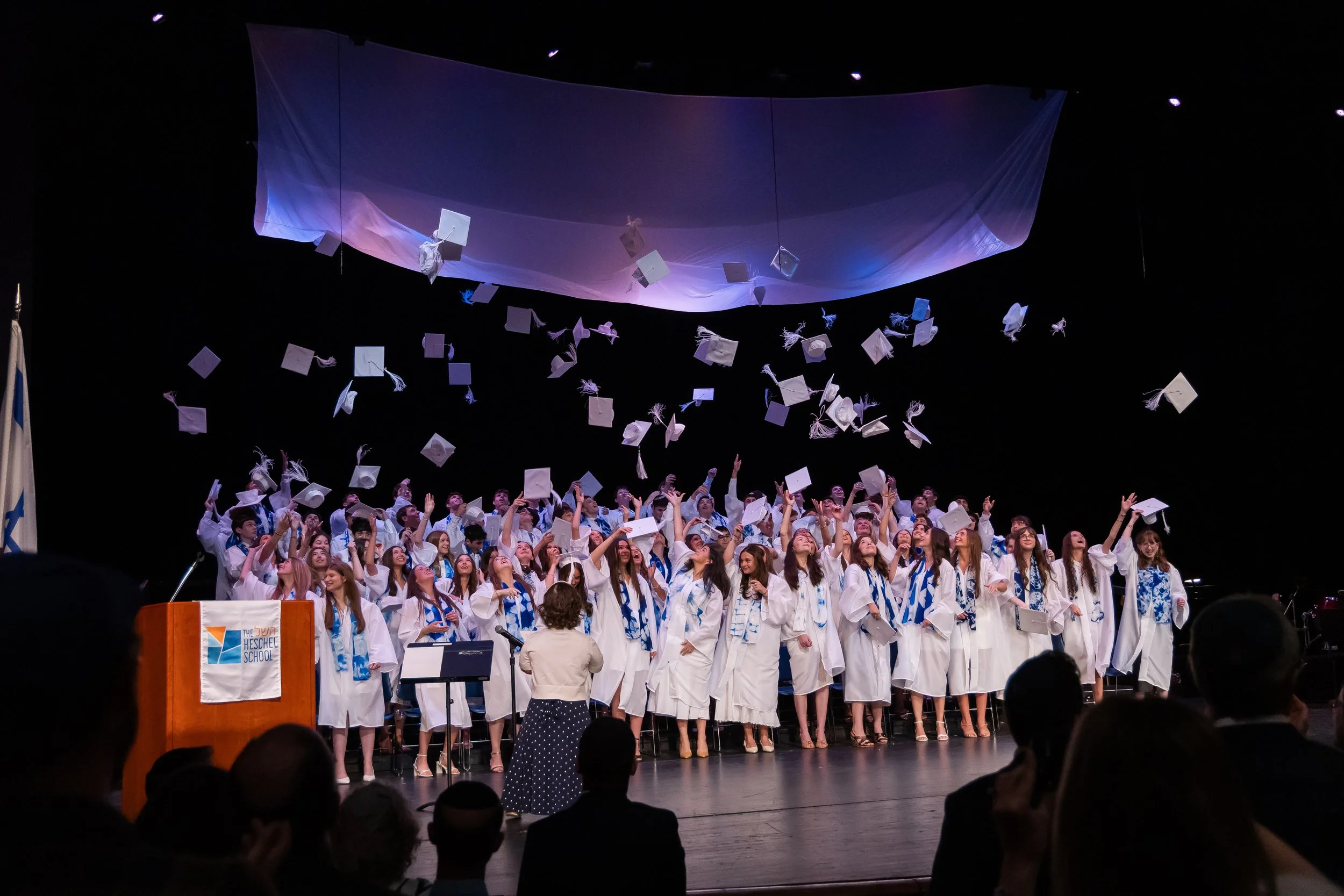
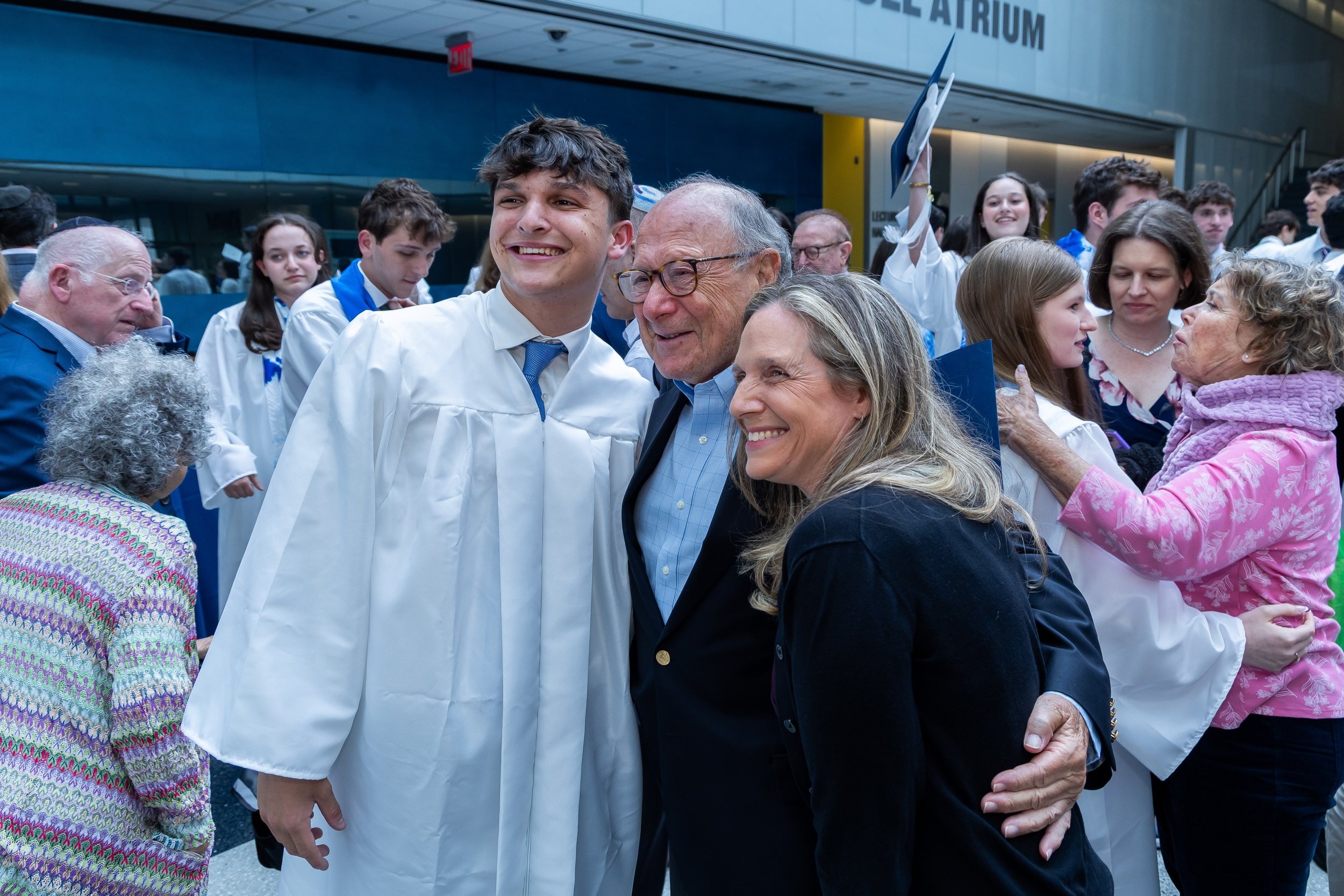
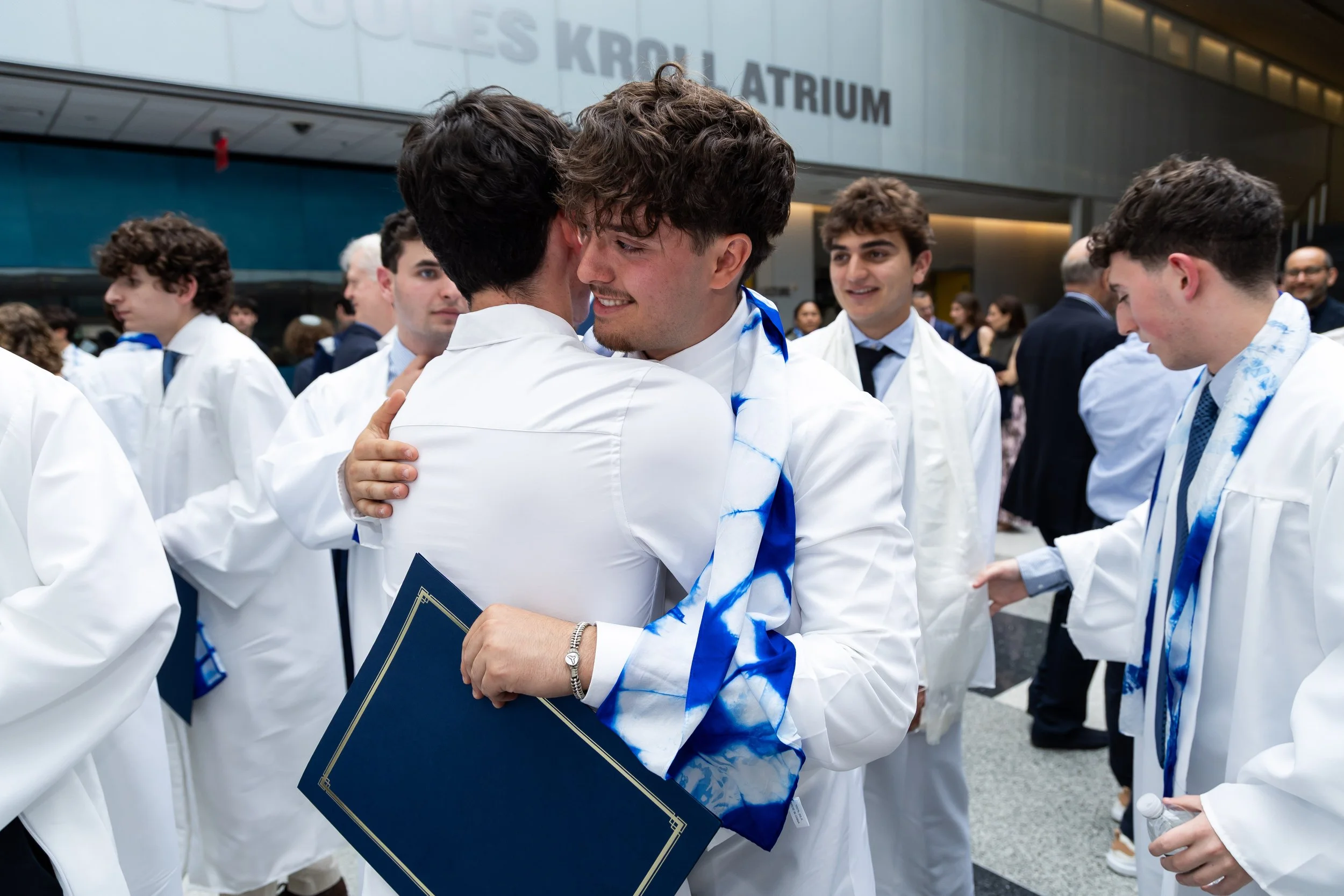
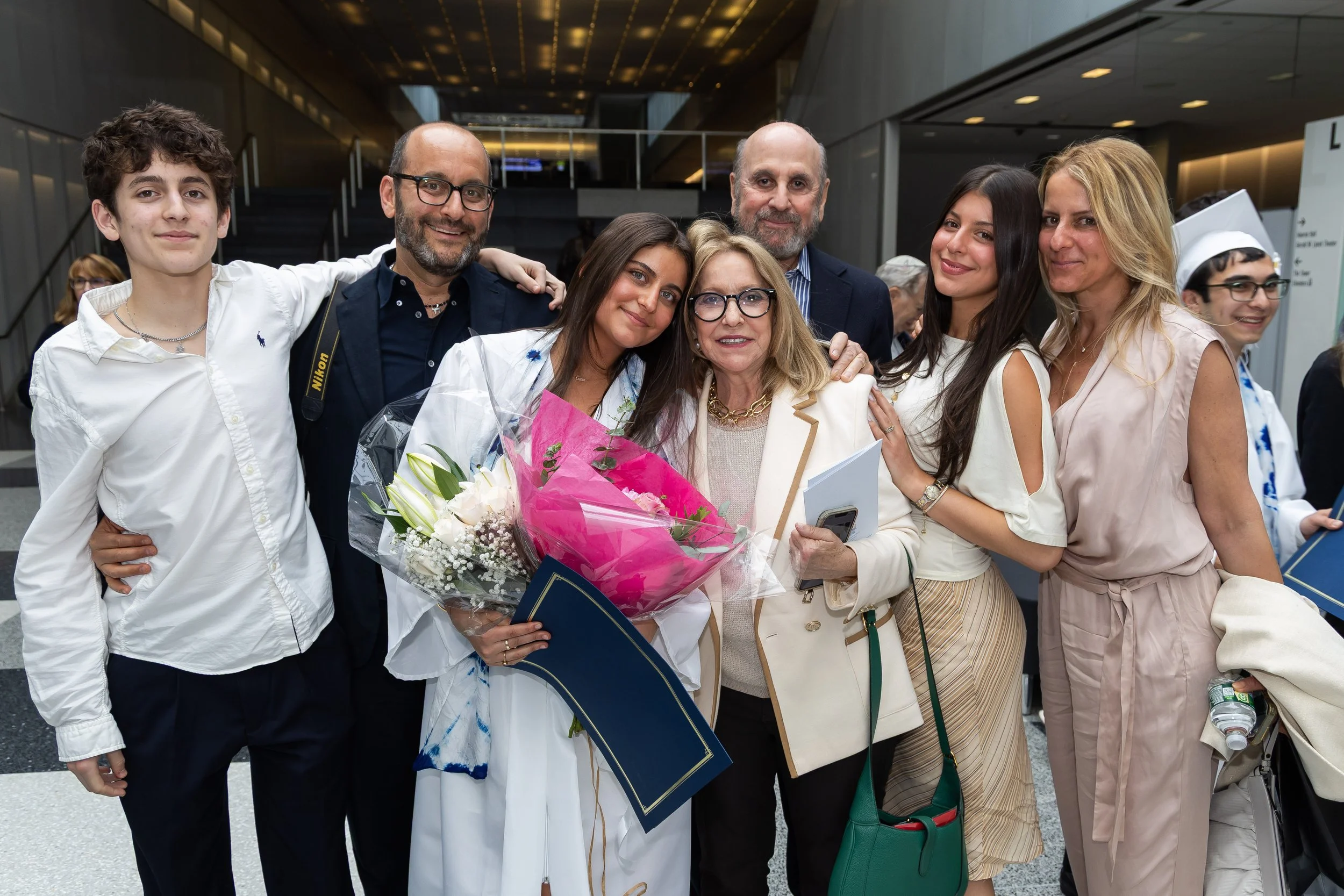
And just like that, the Class of 2026 has turned their tassels and officially joined the Heschel alumni family! Congratulations to our graduates, their families, teachers, and all those who supported them along the way. We are so proud of everything they have accomplished and can't wait to see what comes next.

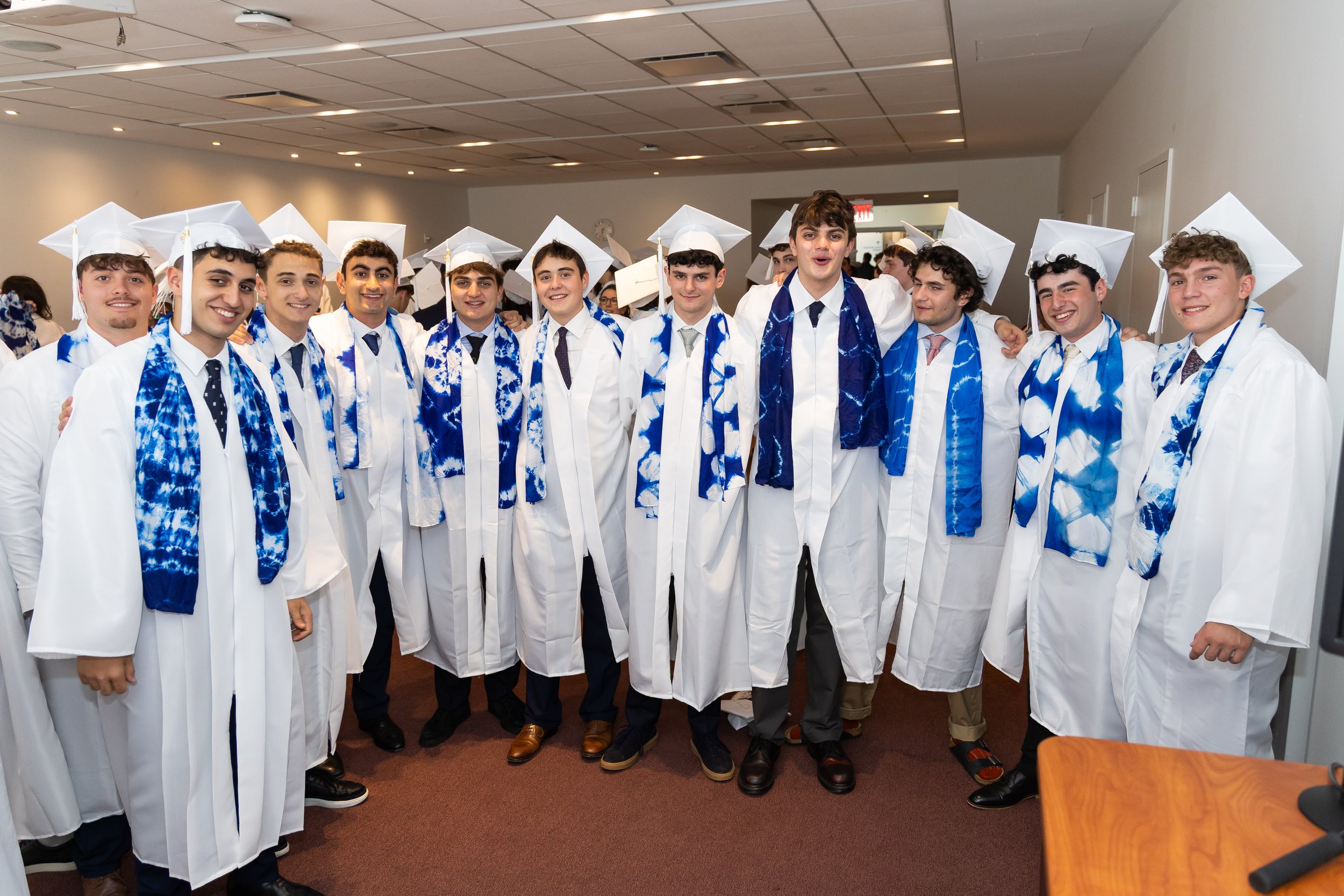
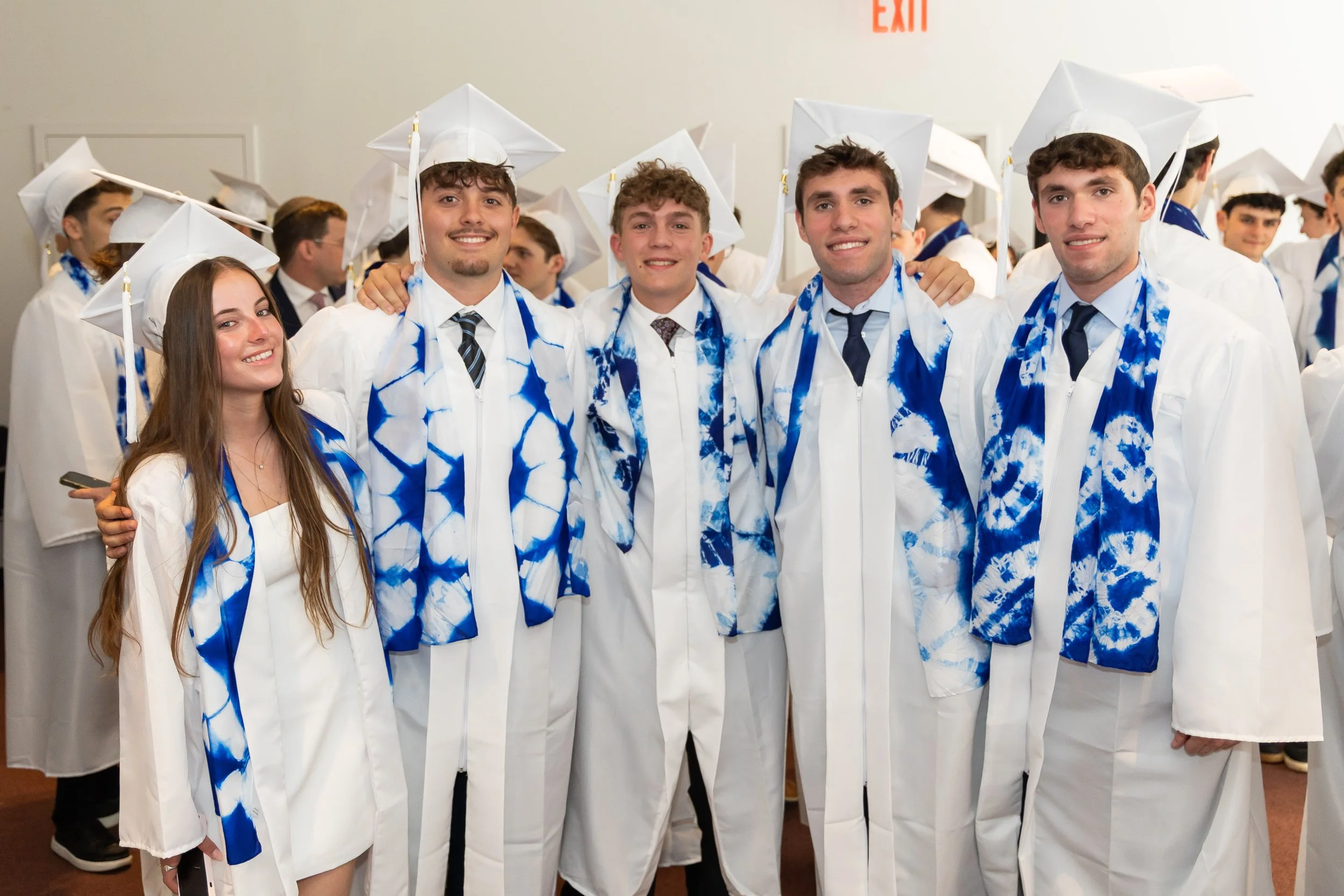
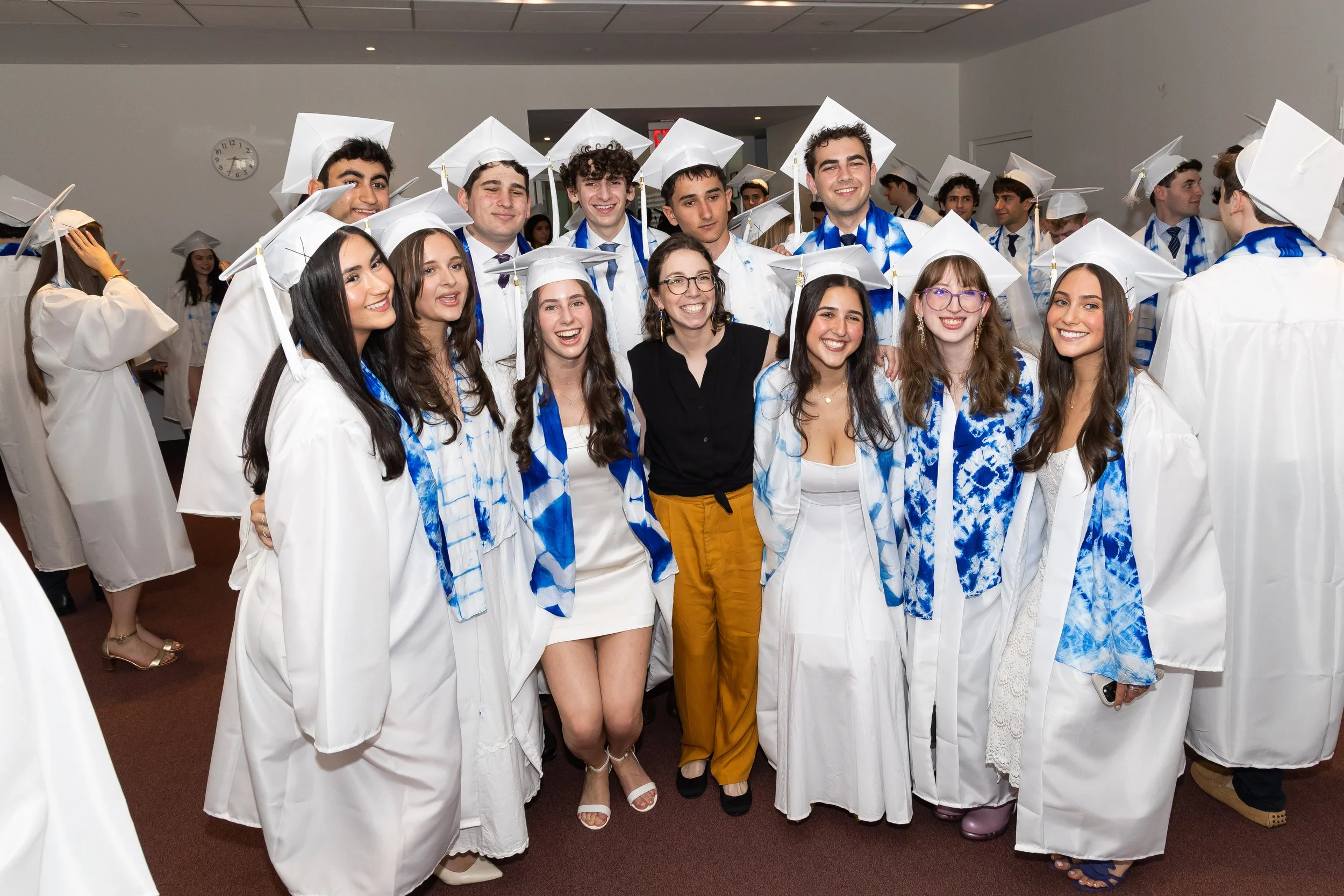
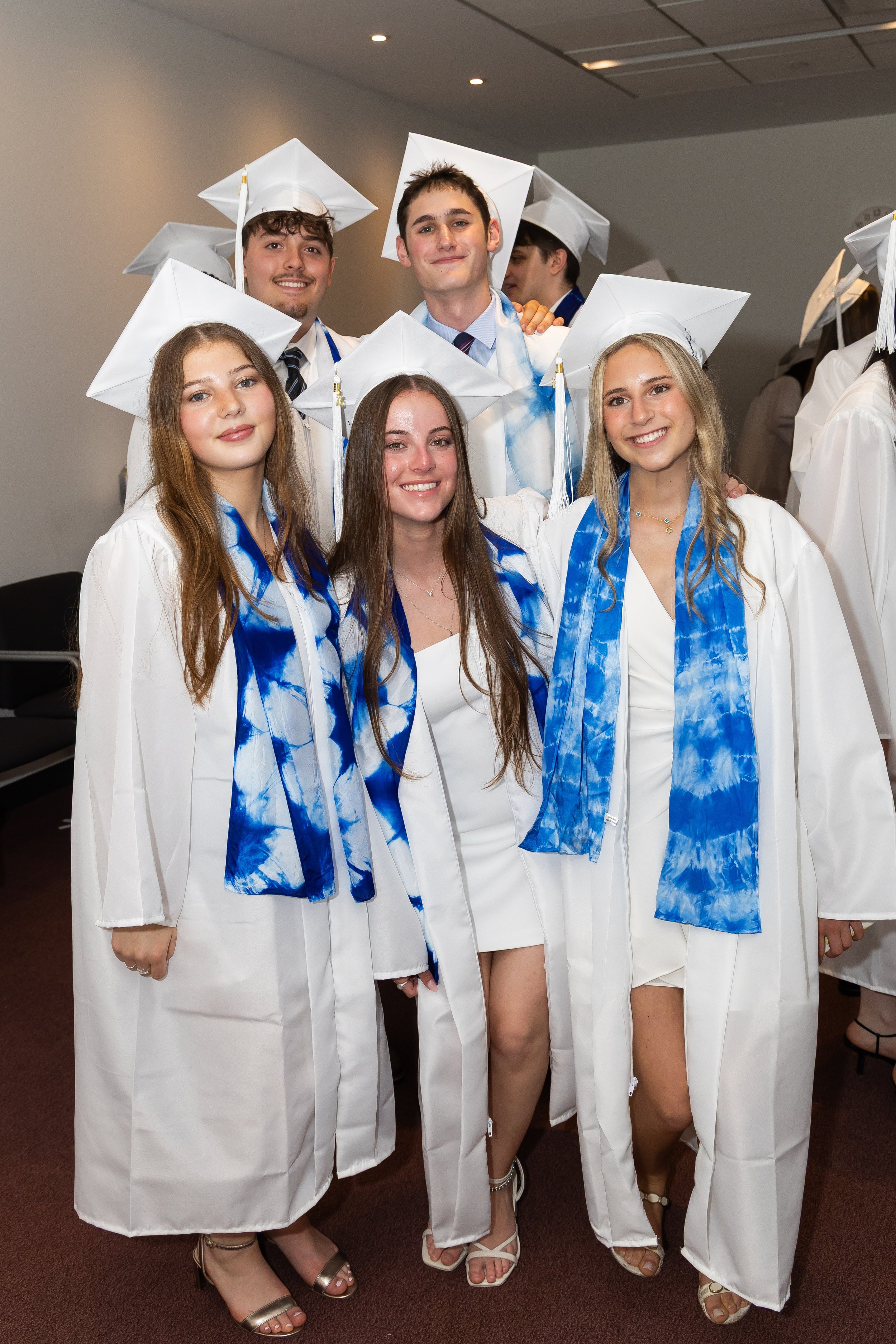
-
Bogrim Yekarim - Beloved Graduates,
One small moment, emblematic of your joy and spirit as a grade, occurred just this past Friday afternoon. Your final Senior Hachana Le’Shabbat, an opportunity to sing, reflect and share words of gratitude. You were oh so close to being done… your boom box booming as I ushered some of you into the Beit Midrash, when all of a sudden, marching down the hall in perfect formation, chanting an ancient melody, like the Levites in the desert carrying the Holy Ark, were eight seniors, four on each side of Kaleb K-T, who was lying supine dressed in a pizza costume. When I asked you to please put him down, you looked at me with the most quizzical faces, as if I had stopped you from doing something totally normal…eventually you relented, gently placed Kaleb upright, and walked into the Beit Midrash together.
At that moment two thoughts crossed my mind:
I have the greatest job in the world
I am really going to miss each and every one of you.
Class of 2026:
You have many, many wonderful traits. But it is your ability to infuse everything with joy that has been truly remarkable.
We saw this joy in how you commandeered the dining hall on Fridays post-Pesach turning it into a kumzitz, in your legendary 3-peat color war victory, and in the increasingly creative, funny but still loving ways you made one of your classmates pay for coming last in his fantasy football league. The smell of Axe Apollo Body Spray will linger in my office until the end of days!
Your joy was present in how you approached learning: you worked hard, rooted for one another, and celebrated each other’s accomplishments. Just last week, you shared with me that some of your happiest educational moments during High School were the ones in which you were able to learn something and then teach it to others: sharing your Science or Social Studies research projects, teaching French to 1st year French students, delivering a devar Torah in an LQ class or at the Shabbaton, or introducing a guest at Hachana Le’Shabbat, our weekly Friday pre-Shabbat assembly. You never just focused on your own learning: you shared it with others with joy and a generosity of spirit.
And it wasn’t just how you learned and how you taught, it was also how you showed up. You welcomed, championed, and looked out for younger students in a variety of clubs, including the Harmonizers, Model UN, Mock Trial, and the High School Musical. You stayed late to help novice debaters get ready for competition, and to ensure that after cookies for a cause were baked and packaged, that the youngest students weren’t left alone in cleaning up.
When our Ice Hockey team played in the Yeshiva League finals, you took it upon yourselves to ensure that Heschel students would take over the rink. By the way - I was wrong to not rent a bus then... but I do try to learn from my mistakes, so we look forward to seeing you all show up this Sunday evening as our Varsity girls compete for the soccer championship.
Your elevated, joyful spirit has also helped you show up for more solemn moments. You played a pivotal role in filling our Beit Knesset on October 7th 2024, when Daniel Neutra came to speak to us after the school day about his beloved brother Omer who was being held captive by Hamas. Almost two months later, Omer's death was confirmed by the IDF. The next morning, you filled every seat on the bus as we traveled to Long Island to pay the family a communal shiva call.. You made shiva minyans at the homes of your classmates and you reached out to keep up the spirits of classmates who were recovering from surgeries, illnesses, and concussions. Your spirit brought comfort, strength, and a sense of belonging to so many within and beyond our community.
It is your unique elevated spirit, your sense of internal joy that emanates outwardly, that is so critical in the moment we are in, that can bring about change. The ability to believe in and work towards a better future, has always been the task of dreamers and prophets. In fact Maimonides, in his Mishneh Torah, states this emphatically in describing the ideal state for being able to achieve prophecy:
״אין נבואה שורה לא מתוך עצבות ולא מתוך עצלות אלא מתוך שמחה״ (הלכות יסודי התורה, ז:ד)
“Prophecy is not present in sadness or idleness, but rather in joy.” (Yesodei Ha’Torah 7:4)
Your ability to act from a place of joy that is contagious and inclusive, has the power to effect change, and this is a kind of prophecy: seeing, and then creating, a new, much-needed reality. While humor that seeks to cut down others, or joy that is self-regarding, keeps the status quo firmly entrenched, joy that is inclusive, out-ward emanating, and hopeful can change the world.
Beloved students:
All of you together, and each of you as individuals, have helped contribute to a culture of joy. Your middle school years coincided with a global pandemic and your beginning of 10th grade coincided with October 7th and now the aftermath of Israel’s longest war, felt, of course, primarily in Israel, but also impacting our lives in New York City and the lives of Jews across the world. Over the past years we, as Jews, as Zionists, and as Americans have felt instability in foundations that we have relied upon for generations. You would have had every reason to feel disengaged and disillusioned. But instead, you responded with something prophetic. You saw hope and possibility where others didn’t.
When you were in 10th grade, I had the privilege of accompanying you to Washington, DC. I remember the joyful chaos in watching you take over the lobby of our hotel to watch a Knicks playoff game, and how you all laughed at me as I was cringing at the sophomoric humor of the Shear Madness show. But I also remember how you approached our visit to the Holocaust Museum and the Museum of African American history with seriousness and purpose. And while the long and hot tour of the monuments was more challenging, there is a quote on the south side of the Dr. Martin Luther King Jr. Memorial that we visited that strikes me as descriptive of you:
I believe that unarmed truth and unconditional love will have the final word in reality. This is why right, temporarily defeated, is stronger than evil triumphant.
Dr. King shared these words in Oslo in 1964 upon accepting the Nobel Peace Prize for his lifelong work on civil rights. Your joy, rooted in openness to others, has the ability to unarm even the most intransigent interlocutor. Your unconditional love will have the final word. The friendships that you have nurtured here, the powerful experience of community that you have helped foster, are experiences that have shaped you and that you will take with you into the rest of your lives. And our world sure needs your spirit.
Many times over the year you would gather in a circle to sing and sometimes to dance. The beauty of the circle, as you undoubtedly remember from your Geometry course, is twofold:
First: every point on the circumference is equidistant from the center. Standing at the edge of the circle makes everyone equal; no one can claim to be closer to the center.
And secondly, a circle can expand ad infinitum: it doesn’t end; it has no limits. There is always room for one more. As you go forth to your next chapters, may the joy and spirit that you have exhibited here at Heschel lead you to build communities and relationships, here in New York, across the US, and throughout Israel and the world, that have space for everyone, especially the guy who shows up in the pizza costume, to feel included and celebrated.
Be prophets always animated through joy and spirit. And may God’s spirit always rest upon you.
Mazal Tov!
-
Ariela, Rabbi Noam, members of the board, administration, faculty, families, and class of 2026,
Every morning, as I walk down the stairs from tefillah on the sixth floor to my class on the second, I look around. High schoolers talking about the day ahead, teachers preparing for classes to begin. And, as I smile at the faces around me, I look down at the floors below. “Ayekah.” That one word, painted in colorful letters, stares back up at me from the bottom of our staircase. It is a word I learned in the beginning months of 9LQ. Ayekah. “Where are you?”Ayekah is the word that begins the first conversation with God recorded in the Torah. In chapter 3 of Breishit (Genesis), Adam and Eve are hiding after eating from the tree of knowledge. God calls out to Adam, and instead of starting with a commandment, or a declaration, God begins with a question. Ayekah. Where are you? You may wonder, why does God – the creator of the universe – really need to ask?
Medieval commentator, Rashi, explains that God, of course, knew where Adam was, but asked this in order to open up a conversation. God is asking: “where are you spiritually?” Why are you hiding from me? Do you not have faith in me? God is asking this question to connect, to understand, to create a relationship with man. And so began a nearly 6000-year tradition of learning by questioning.
As Heschel high school students we have all learned, beginning in our ninth grade limudei qodesh classes, that the way we start our path of learning Torah, the way we connect to God, the way we find our faith, is through questioning.
We have encountered our oral tradition, the Talmud, which is the foundation of Jewish practice, and is really just a book of questions. The rabbis begin by questioning the received text, and continue by questioning one another. Through their questions, they pushed each other to find the truth and morality and religious vision behind each statement, a religious vision that has inspired thousands of years of Jewish values, practice, and community.
Our teachers have shown us how, through our questions, we continue that tradition. They have taught us that our questions help us learn about the text we are questioning and the people we are questioning with. They’ve taught us to be courageous in trying to interpret texts, and that our texts can handle our hardest questions. And through our questions, we have pushed each other, and taught each other, and made each other better.
In my Talmud class, when one person would make a translation or a comment on the text, the next step would always be for peers to question it. Not to undermine the work of a classmate but to strengthen it. We learned to use our questions to find the depth in each other’s ideas, whether or not we agree, and we internalized that practice.
As a result, the Jewish tradition of questioning guides not only our study of Torah, but also our secular studies, our friendships, and our communities. Through debates around the lunch table about current events, we have learned and gained greater respect for our friends’ ideas and values. And through post tefillah conversations about Jewish practice, we have deepened our own commitments while also building a stronger and more inclusive community that has space for difference.
Section 2a: Identity, being ready to respond to the moment
Ten days ago on Shavuot, we celebrated receiving the Torah on Mt. Sinai. But you might ask yourself, why did God wait so long to deliver? Surely Adam could have used the Torah in the Garden of Eden. But when God called out to Adam that first time, Ayekah, where are you, Adam wasn’t ready. He hid. He made excuses.
When Moshe stumbles upon the burning bush, he notices the miracle of it not being engulfed by the flames. He pauses. He turns aside. He looks at it. He hears God call out “Moshe Moshe.” He answers “Hineni.” Here I am. The text tells us that Moshe did not feel ready to lead the nation, but when called upon at this moment, he does not hide, like Adam. He does not hesitate. He feels the fear and answers anyway. Hineni. “הנה אני” I am here. I am ready to listen, I am ready to serve, I am ready for action. And thus it is Moshe who receives the Torah on Mt. Sinai.
As Moshe heeded his call, we have all learned to heed ours. We have faced our own challenges, big and small, and learned how we can bring out identity, experience, and our complete selves to them. At Heschel, we have been challenged intellectually, spiritually and socially. Our teachers and our friends have called on us to take ownership of our Jewish education, our Jewish identity, and our Jewish lives.
And though each of us has to answer the call, we have not done it alone. We have helped each other learn and celebrated each other’s successes as if they were our own. We have lifted each other up in difficult moments. We have built friendships rooted not only in shared interests, but in mutual respect and genuine care.
And because we cared for each other, our energy and our joy created something larger than ourselves. We have created a community where people feel welcomed into our space and leave changed by it. And by creating a supportive community, we have allowed each person to step forward; to say Hineni: here I am, so that each of us can answer our own call to action, whatever it may be.
And, together, we have all prepared to go out into the world and continue answering the call. To be fully present in ourselves, and in our questions.
הֲדְרָן עֲלָךְ וְהֲדְרָךְ עֲלָן.
דַּעְתָּן עֲלָךְ וְדַעְתָּךְ עֲלָן.
לָא נִתְנְשֵׁי מִינָךְ וְלֹא תִתְנְשֵׁי מִינָן,
לָא בְּעָלְמָא הָדֵין וְלֹא בְּעָלְמָא דְאַָתֵי:
We will return to our learning and it will return to us.
We will direct our minds to learning and it will be mindful of us.
We will not forget our learning and it will not forget us.
Neither in this world nor in the world to come.
As we leave the school, and go on our 91 individual paths, there will be times when we almost forget our learning and turn back to this grade and we want to say: Ayeka? Are you there for me? But our learning will not forget us. That question will always be answered with a steady yes. Heneini.
-
Chapter One: Exile and return. That was the title of our 9th grade English curriculum, but it was also an experience we all shared. Freshman year was the first fully normal year after the COVID 19 pandemic, which had exiled us to the confines of our homes. Finally, we returned to school and our friends, welcoming 33 new students into our community. I vividly remember our first English class; our teacher greeted us with chocolate milk and cookies while she read the childhood classic, Where the Wild Things Are. After class we clustered in the hallway excitedly chattering about how easy high school would be if this is what all classes were like. It turns out, all classes were like this, not to say that they were all easy; they certainly weren't! But they were all taught by teachers who devoted extraordinary effort to finding creative and interesting ways to reach every student and engage us with the material. We can all agree, we didn’t always make it easy for them, but many times we became so engaged that we brought the lessons to life. In freshman year Social Studies, for example, we learned about the American, French, and Haitian revolutions. We learned how our founding fathers stood up for what they believed in and strove to use civic life as a pathway to a better society. In the ensuing years, following their examples, we marched in Washington D.C., protested at the U.N., and met with elected representatives. Throughout freshman year, we lived the Heschel commitment to “be enamored of learning,” and by that spring, now able to conjugate verbs in the present and past tenses and read short stories in French, Spanish, Arabic or Latin and fluent in the language of proofs in math, we turned our attention to sophomore year.
Chapter 2: Bonds and Connections. In sophomore year chemistry, we learned about different kinds of bonds: Ionic, Covalent, hydrogen, etc… These bonds connect atoms together to create a molecule. Similarly, we developed our own molecule through our bonds, both student to student, and student to teacher. These bonds made our friendships and our learning community stronger. I’m going to tell a story now about how I failed a quiz because I didn’t read, but don’t worry mom and dad, it’s really just a story about bonds! In sophomore year English, my friend and I met with our teacher after receiving matching frowny faces on a reading quiz. Though there was a penalty for failing the quiz, one of our teacher’s goals in administering it in the first place was to see whether her students were engaging with the material, and to offer additional support for anyone who was not. She utilized her knowledge of us, not just as students, but as people to create an assignment connected to my love of music, and my friends' creativity. She allowed us to go back into the text, derive our own takeaways, and present our findings through song. And that's how we ended up performing our version of Seven Years by Lukas Graham as a summary of Macbeth in front of the whole class. It was yet another chocolate milk and cookies moment, and we never missed another reading assignment for the rest of the year. I particularly loved reading Things Fall Apart that year in English, and it turned out to be a fitting title for a group of kids looking ahead to Junior year.
And that brings me to Chapter 3: The Great Depression. In Social Studies in junior year we learned about American perseverance through 2 world wars, one cold war, many proxy wars, and of course, the Great Depression. But the 20th century history curriculum was not just a litany of hard times. It was also a source of hope. Afterall, if our grandparents and great grandparents could make it through all those hardships, we could make it through junior year. All we needed was a little energy, and maybe a push, which we learned about in physics. Junior year challenged us to work harder than we’d ever needed to before. We balanced ACT and SAT prep, the College search, and a heavier overall workload. I didn’t think about it at the time, but in retrospect, our teachers worked just as hard as we did, for the same goal, our success. When I met with my math teacher to discuss ways to prepare for an upcoming test, she offered to meet with me before school started a few days that week, and during some lunches to help me. At first, I was proud of myself for putting in the extra effort to succeed, but I later realized that effort had a multiplier because my teacher was of course also putting in the extra effort for my success. It was a gift, both special, and also unremarkable at Heschel because our teachers routinely go above and beyond on our behalf. Supported by our teachers, Bonnie and the incredible college guidance counselors Dorothy, David, and Alex, our tenure as juniors came to an end and we began to look forward to senior year.
Chapter 4. Dual Narratives. This title of a class many of us took in senior year, was also a perfect descriptor as we moved from what felt like one common journey throughout the previous years of high school, to the beginning of a multitude of experiences we’d have going forward. This period of applying to and being accepted into college, but still being high schoolers felt like a strange in between. Once again, our teachers met us where we were, and where we were going, with a curriculum that reflected our increasing independence and the different opportunities and challenges we will face as young adults outside Heschel. Through a series of elective seminars and interesting speakers, we learned about everything from world religions, to financial planning, to the mathematical explanation of why we should never gamble. In true Heschel fashion, we finished the year by giving back. Every senior participated in one of 35 community based internships throughout New York and New Jersey, pairing lessons from our classroom with our unique skill sets and interests to teach at schools, research at hospitals, volunteer at food pantries, and much more. Although physically apart, our bonds held strong, and each Friday we regrouped back at school to share highlights of the week and sing together in senior hachana. Which brings us to this moment, perhaps the last time our grade will be all together.
Chapter 5: The Things we Carry. We read The Things They Carried, a book by Tim O’Brien, about the Vietnam war, in junior year, and the title is fitting for this very moment. Our 5th chapter is not yet written, for we don’t know what the future holds. Yet, in every class, whether learning the fundamental theorym of calculus in math or trying to understand the imperative conjugation in language, to writing a research paper in social studies, our teachers have equipped us with the skills and values that we will need to write the 91 separate endings to this story. We recite the hadran to celebrate the ending of a period of learning a tractate, just as we hold graduation to celebrate the end of our high school journey. But though we finished one tractate, many more await us.
To my friends, for the past 4 years we’ve had the unique privilege to study and learn with and from each other, to spontaneously burst into song and dance together, to laugh and cry together, to fail and succeed together, and now to graduate together. We are ready for the next step. Our bonds will remain strong, though now, our molecule, the class of 2026, must break apart. This is our Big Bang moment as we become 91 independent sparks of potential out in the world. We will move on to new things, face new challenges, and achieve new heights. But we’ll never forget our time together at 20 West End Ave. We’ll never forget the lessons we learned. And, we certainly will not forget all of the special teachers who taught them to us. How could we, for these are the things we carry.
Thank You
