Alumni Spotlight: Rachel Orbach ’17
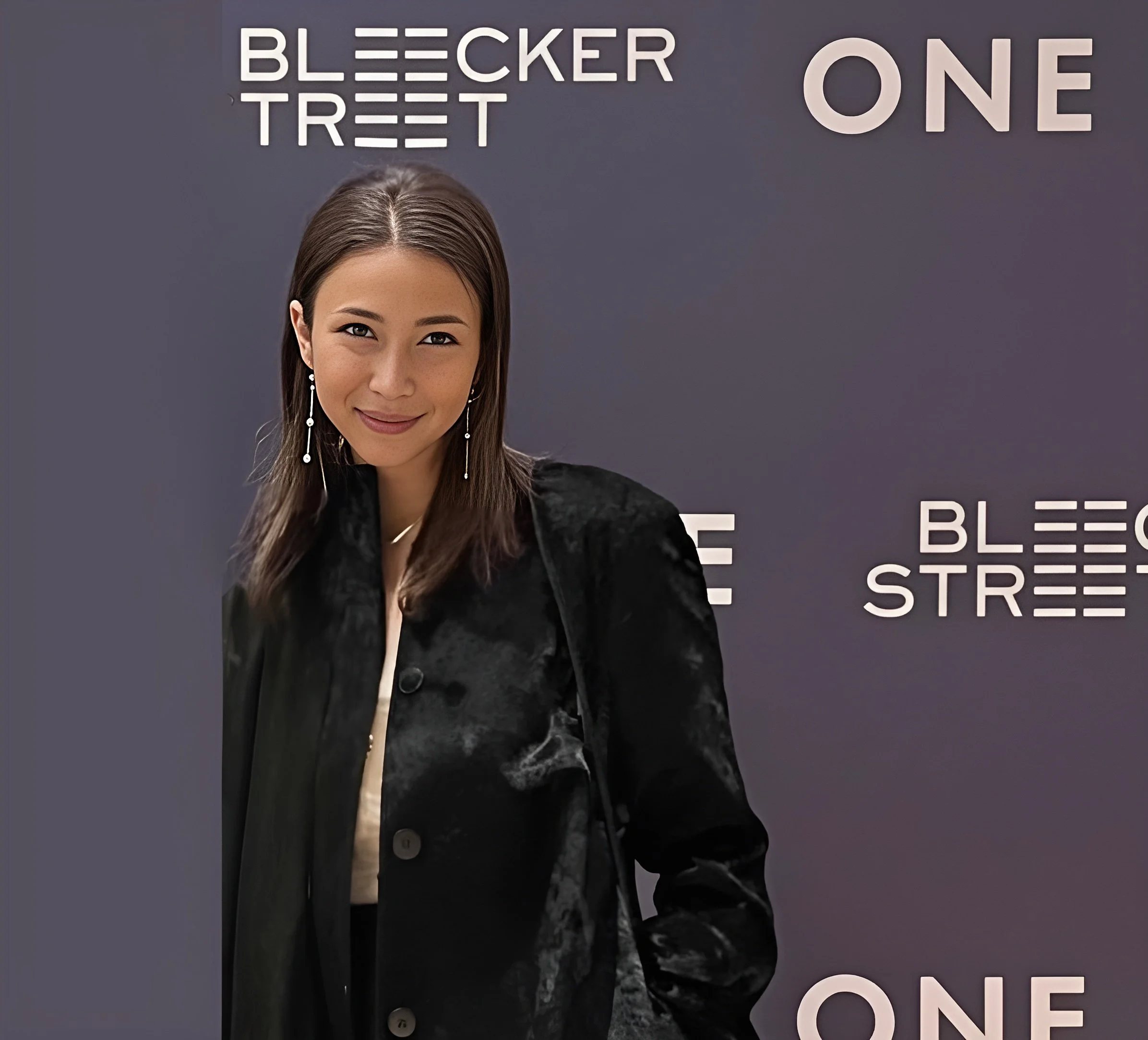
Rachel Orbach ’17
Director of Finance & Strategy,
Bleecker Street Media
From the halls of Heschel to the heart of independent film, Rachel Orbach ’17 has built a career that blends storytelling, strategy, and leadership. She is currently Director of Finance & Strategy at Bleecker Street Media, a leading distributor of independent films, where she helps decide which stories reach audiences and how they succeed long after release.
At Bleecker Street, Rachel works across acquisitions, finance, and company-wide strategic planning. She partners closely with the CEO and CFO on growth strategy, financial projections, cash flow management, and investor and banking relationships. On the acquisitions side, Rachel evaluates projects at both the script and finished-film stage, leading the financial and strategic modeling that determines each film’s potential across theatrical and additional supportive markets. Her role also spans legal, home entertainment, streaming, and non-theatrical distribution, making her involved in not only what the company acquires, but how each film is positioned for long-term success.
Rachel’s path to the film industry began early. Growing up obsessed with movies, she began writing screenplays at a young age, developing an early appreciation for the creative process. After graduating from Northwestern University, where she studied economics and journalism at the Medill School of Journalism, Rachel began her professional career at Goldman Sachs. While Wall Street offered stability and clarity, Rachel always knew she wanted to return to the creative world. What ultimately drew her in was not only storytelling itself, but the challenge of understanding how stories are financed, structured, and brought to life.
That interest led her to pivot her career towards the film industry without mentorship, prior industry experience, or a clear roadmap. Starting from the bottom required resilience, humility, and conviction. “That leap taught me how to bet on myself,” Rachel reflects, “and it’s a mindset that still guides every decision I make.”
In just over two years at Bleecker Street, Rachel became the youngest director in the company’s history. She has been deeply involved in shaping how the company evaluates projects and operates day to day which is an accomplishment she does not take for granted. Along the way, she has had the rare opportunity to sit across from actors, directors, and producers she has admired her entire life, travel to world-renowned film festivals, and read scripts that would eventually become award-winning cinema.
What Rachel finds most meaningful about her work is bringing creative ideas into the real world. She values the relationships, collaborating with filmmakers, actors, financiers, and executives across a wide range of backgrounds and perspectives. Watching a film evolve from a script or early cut into something audiences can discover in theaters or at home is deeply rewarding.
“In a time when highlighting the Jewish experience feels more important than ever,” Rachel shares, “I feel incredibly grateful to work at a company that embraces these stories.”
It has been especially meaningful for Rachel to work at a company committed to elevating Jewish stories and voices. Two of the first Bleecker Street films she ever saw, Denial and Disobedience, were released while she was still a senior at Heschel. Since joining the company, she has worked closely on films such as Golda (2023), One Life (2024), and Treasure (2024), each engaging with Jewish history, memory, and identity. “In a time when highlighting the Jewish experience feels more important than ever,” Rachel shares, “I feel incredibly grateful to work at a company that embraces these stories.”
Among her recent recognitions, Rachel was named to Forbes 30 Under 30 in Hollywood & Entertainment. Her own screenplays have been placed in festivals and national competitions. Looking ahead, Rachel is excited about Bleecker Street’s upcoming slate, including the first-ever theatrical feature film from the Drag Race universe and a forthcoming documentary on Elon Musk by Oscar-winning filmmaker Alex Gibney.
Rachel credits Heschel with shaping not only her values, but the way she thinks. “Heschel taught me to sit comfortably inside complexity,” she explains, to hold multiple truths at once, to analyze without flattening nuance, and to approach ideas with empathy and curiosity. She recalls struggling at first with the school’s rigor, particularly in Ora Weinbach’s LQ class, where close reading, argumentation, and contextual thinking were essential. Over time, those skills became foundational.
Today, whether evaluating a film’s creative merit or its market viability, Rachel draws on the disciplined critical thinking and contextual awareness she developed at Heschel. “In this subjective industry,” she says, “those skills allow me to meaningfully connect with filmmakers and evaluate stories with both nuance and conviction.”