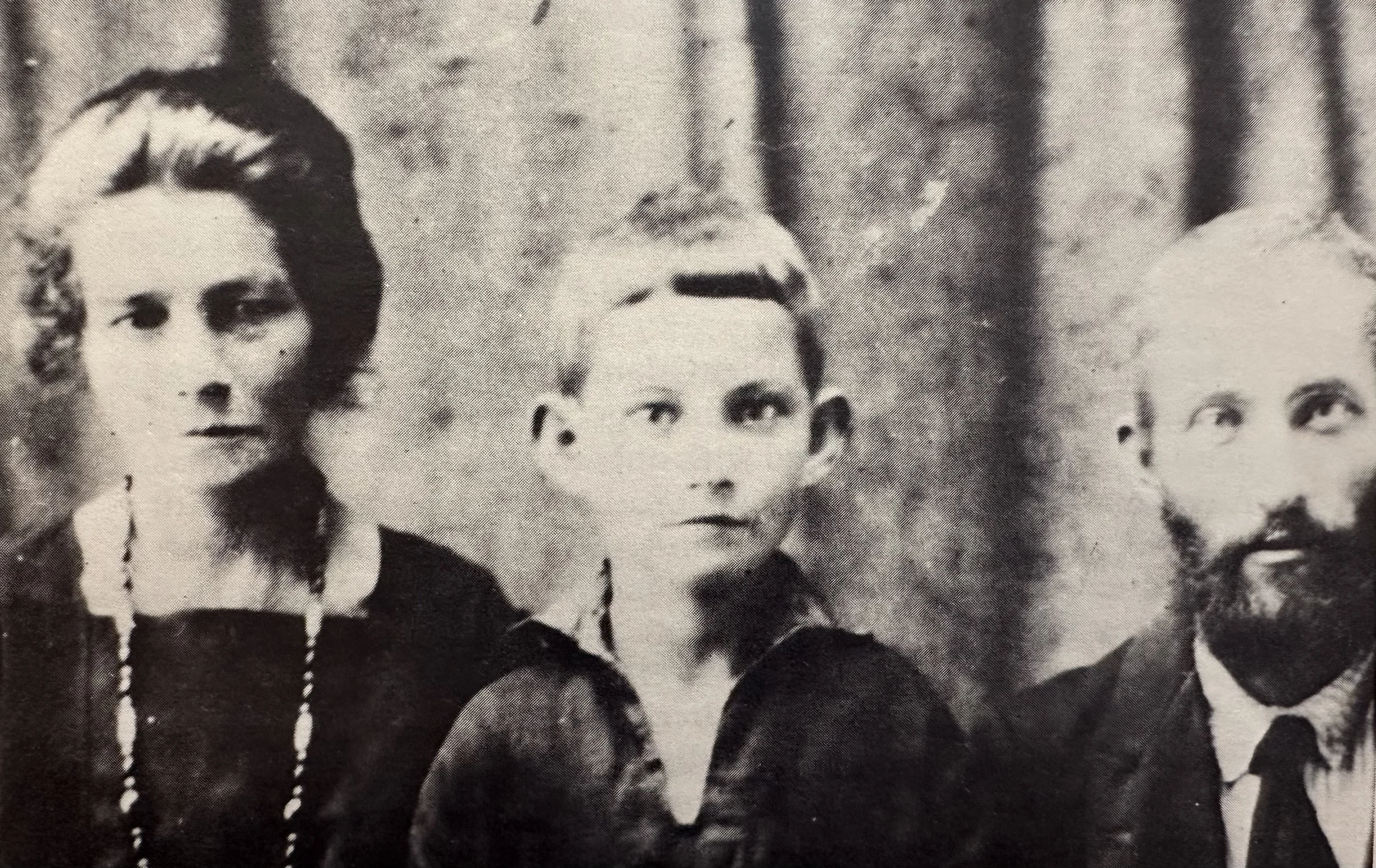
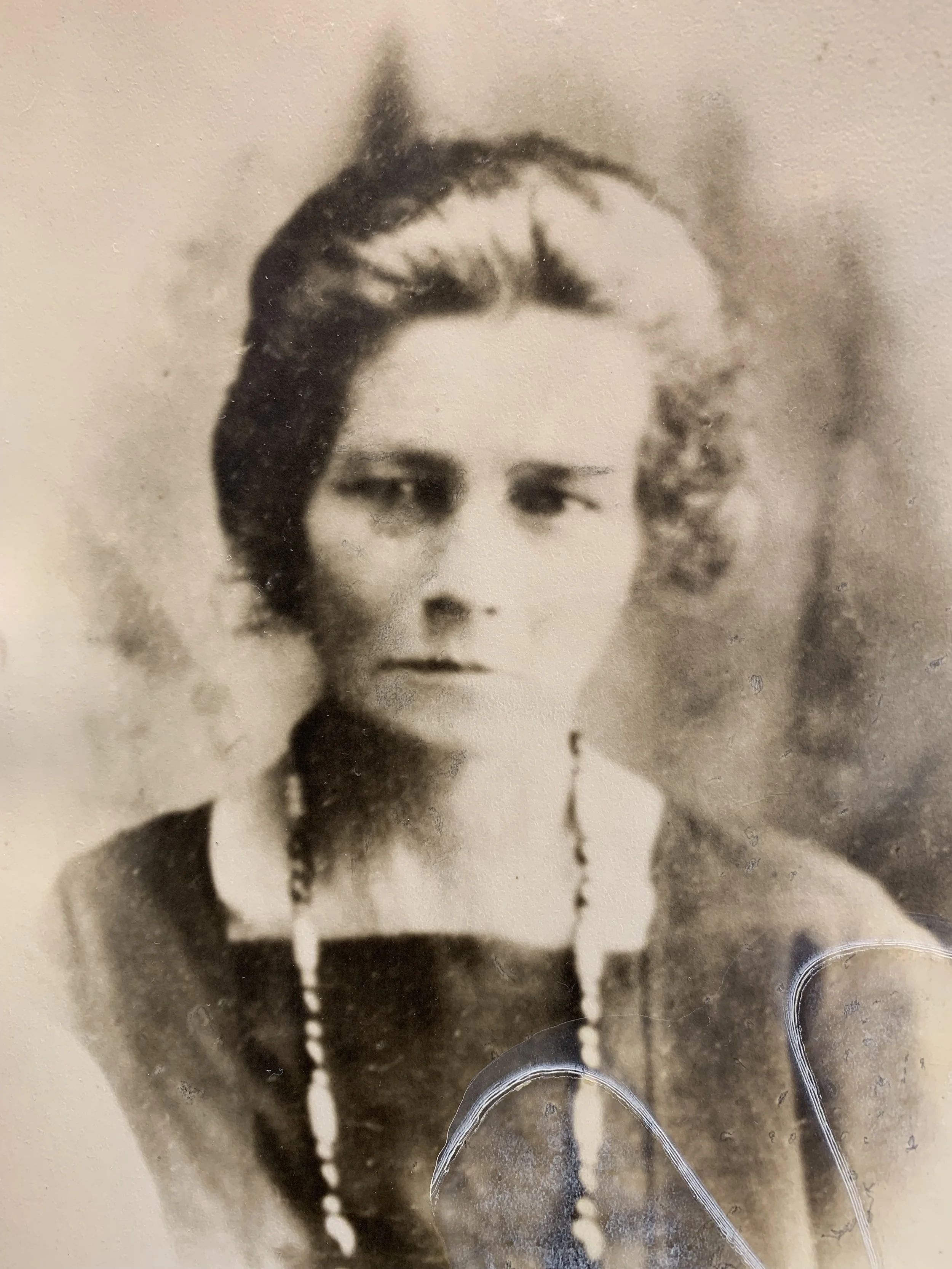
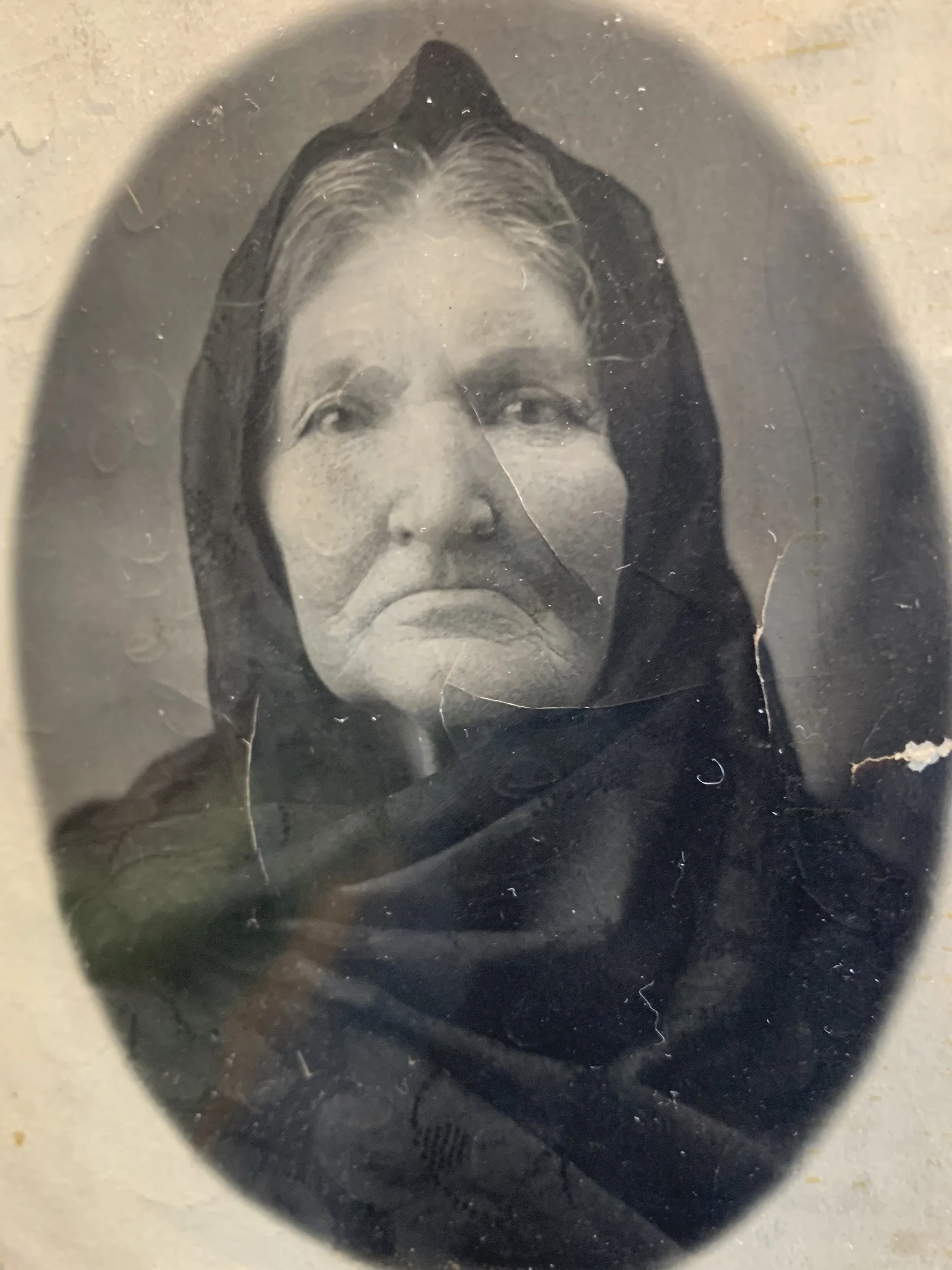
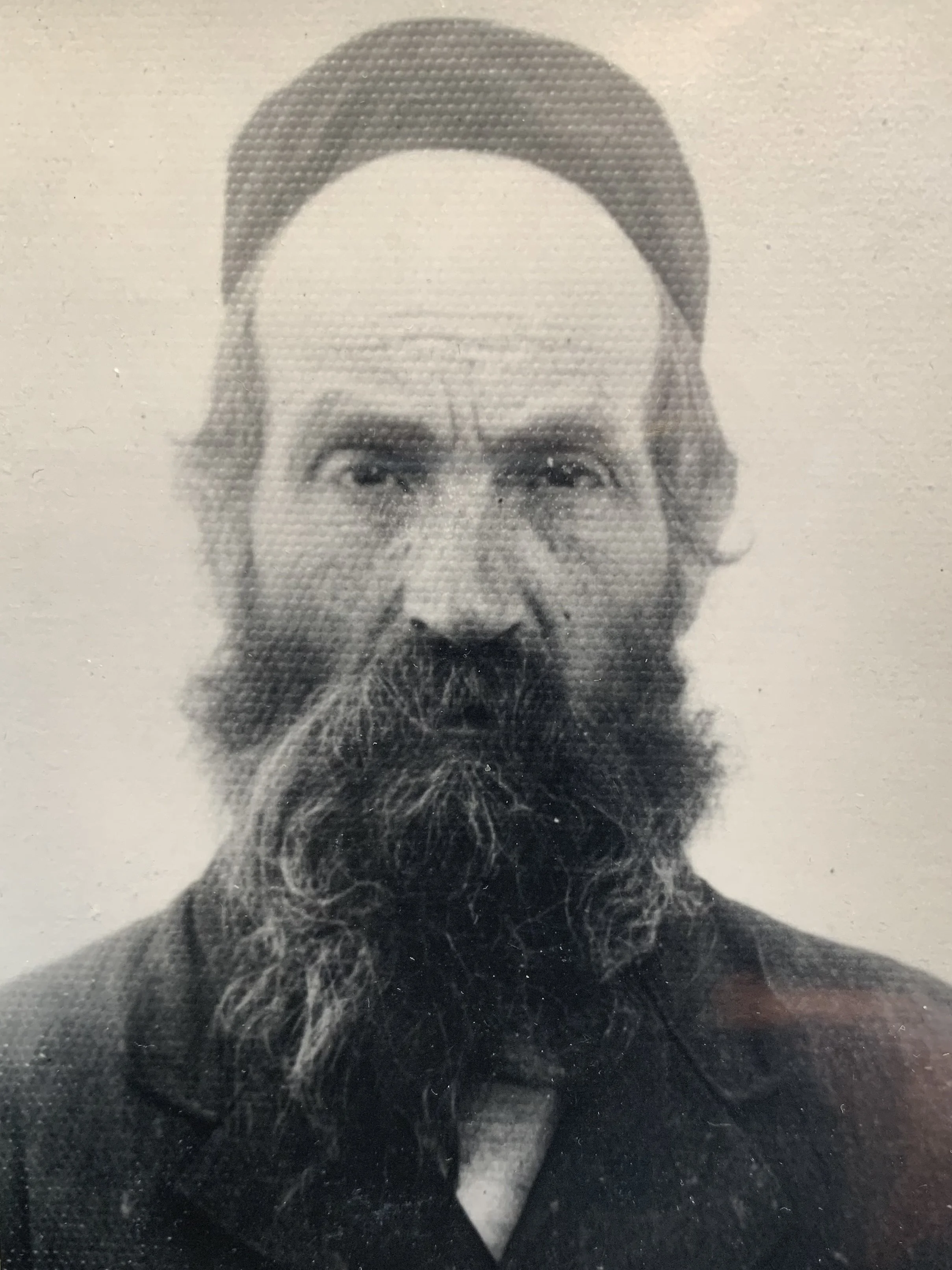
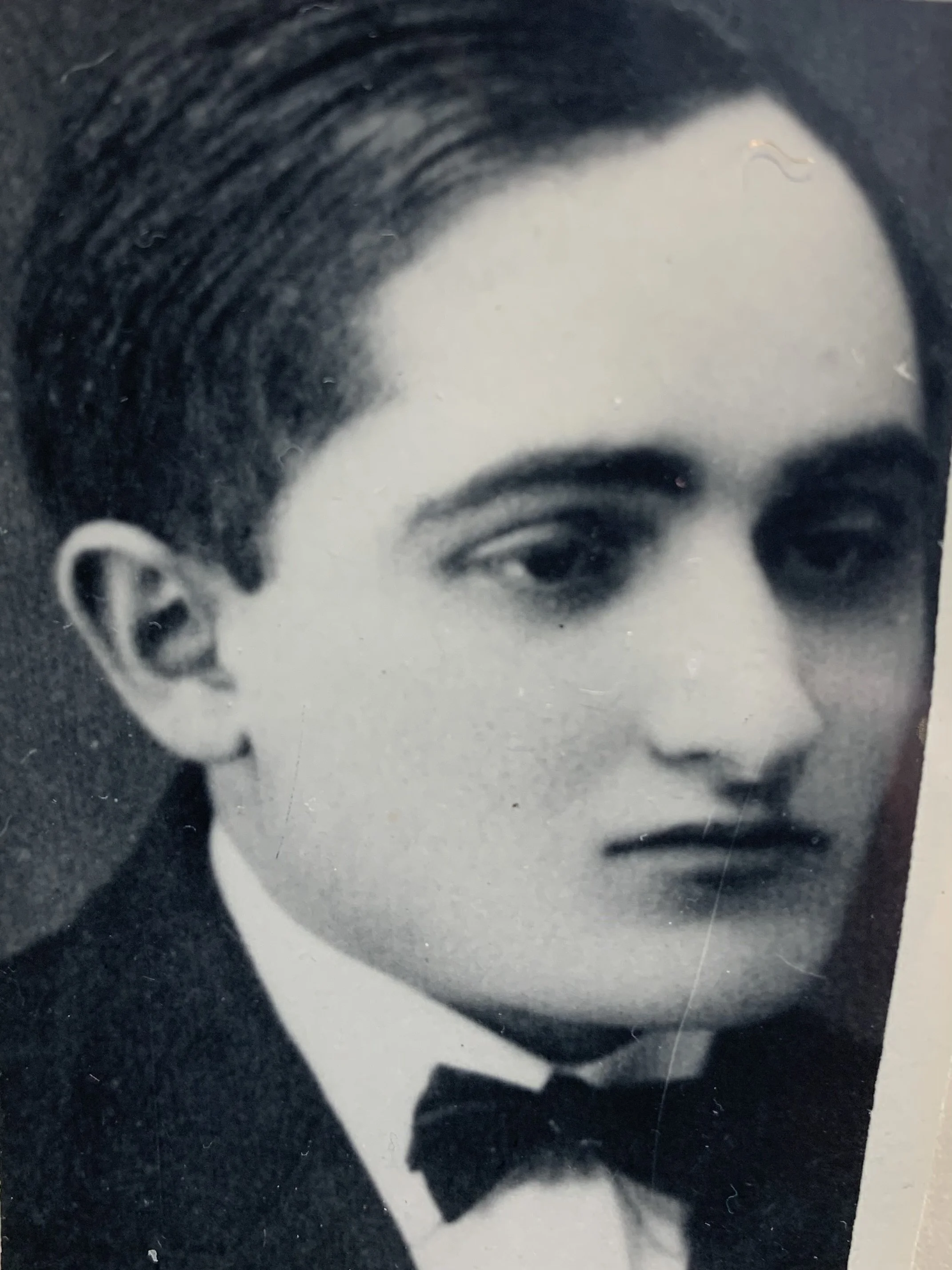
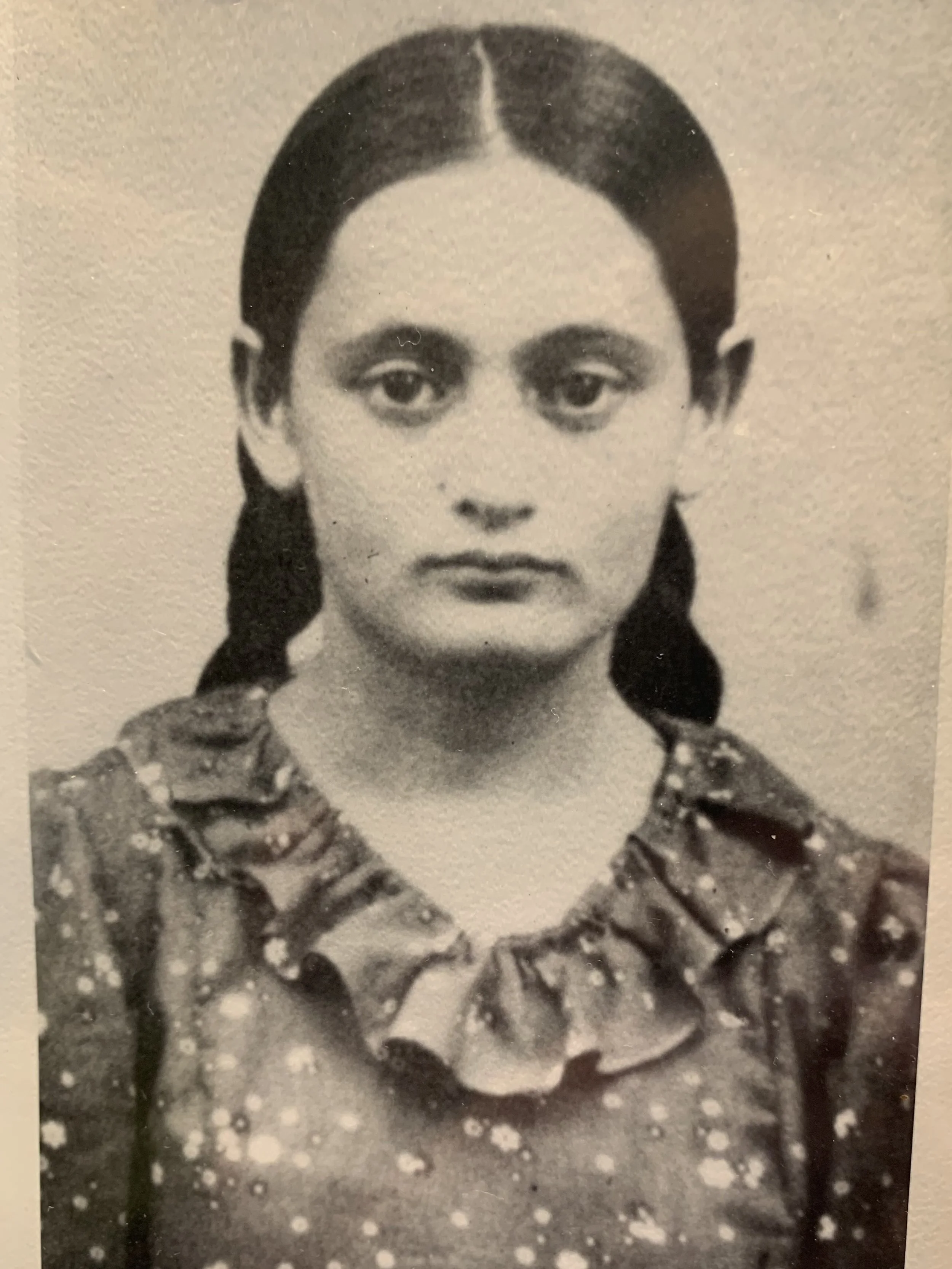
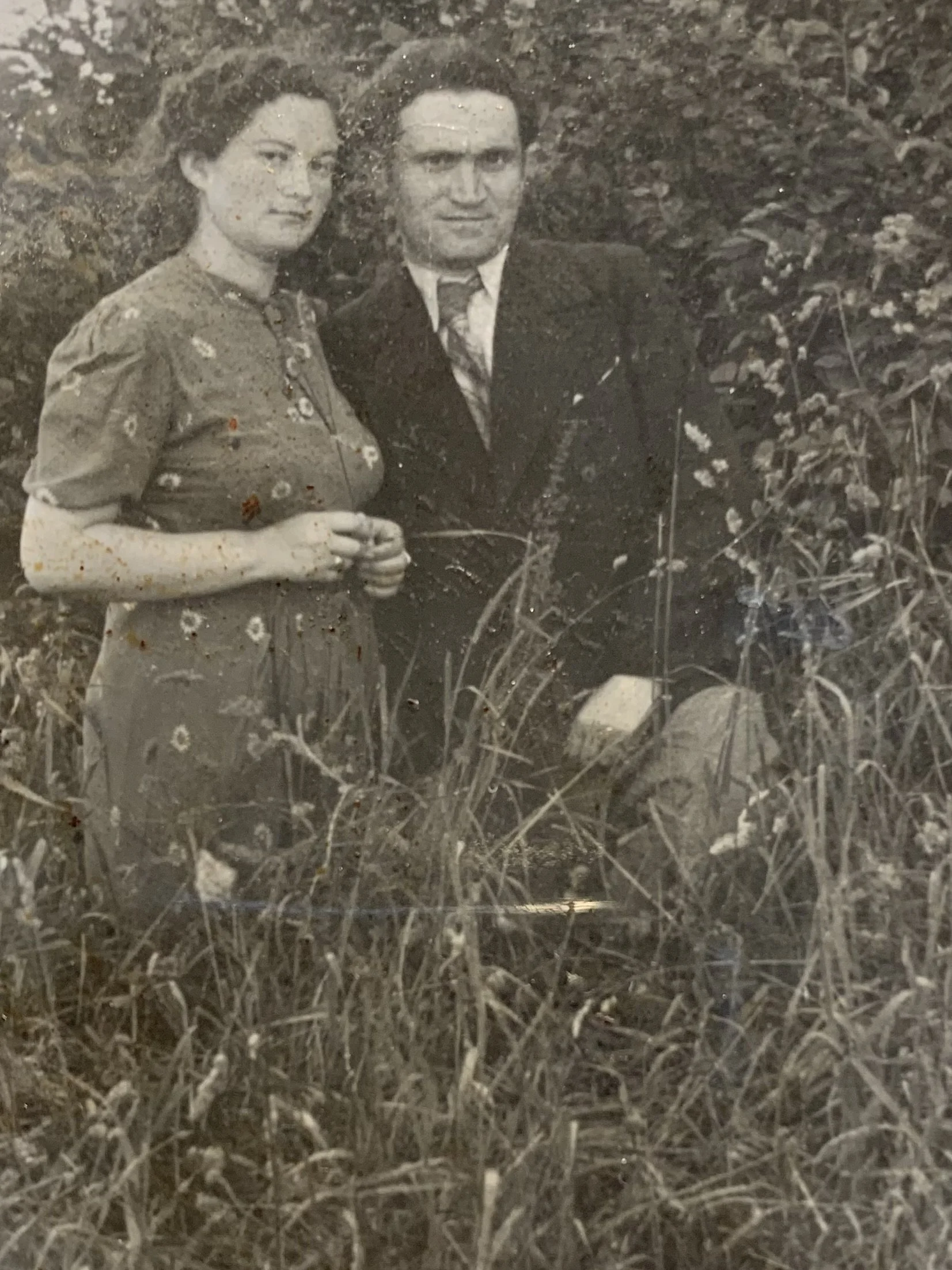
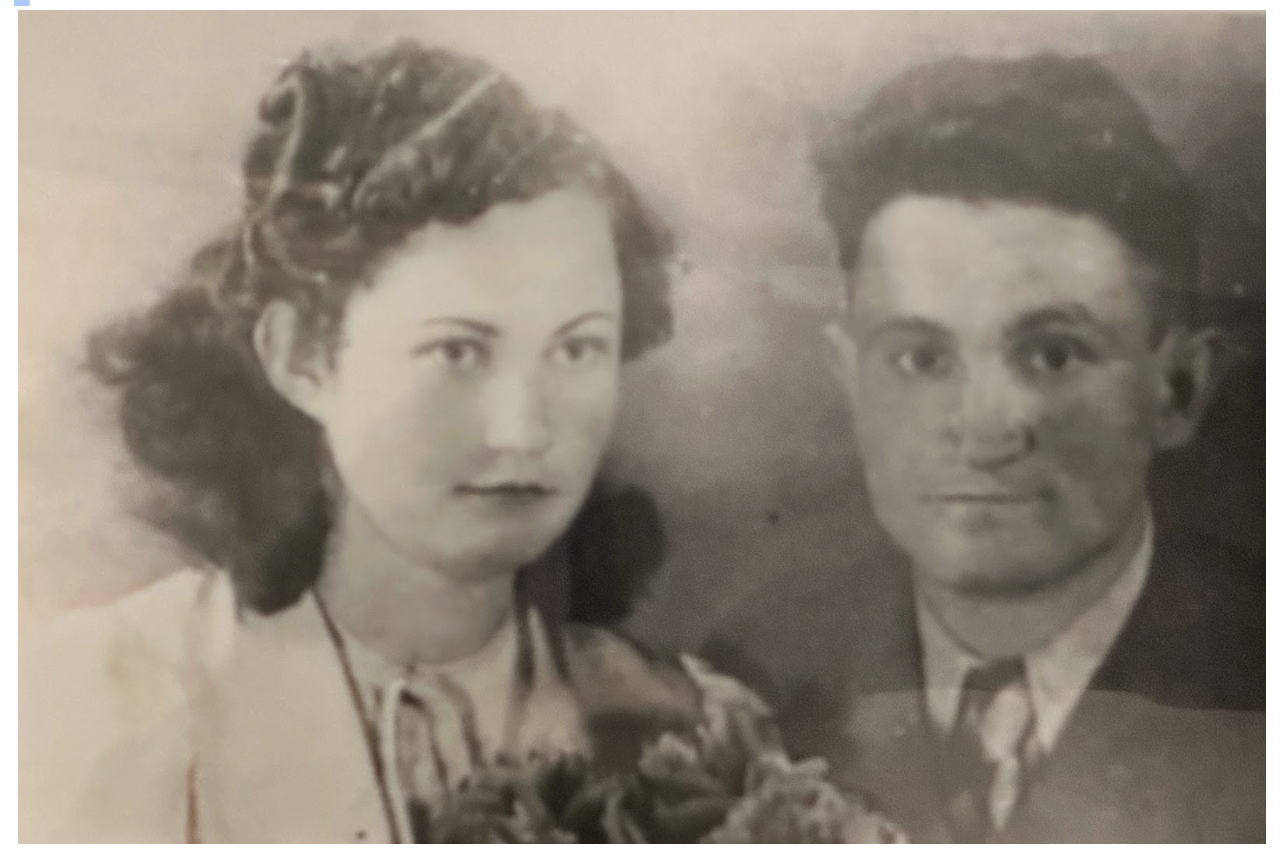
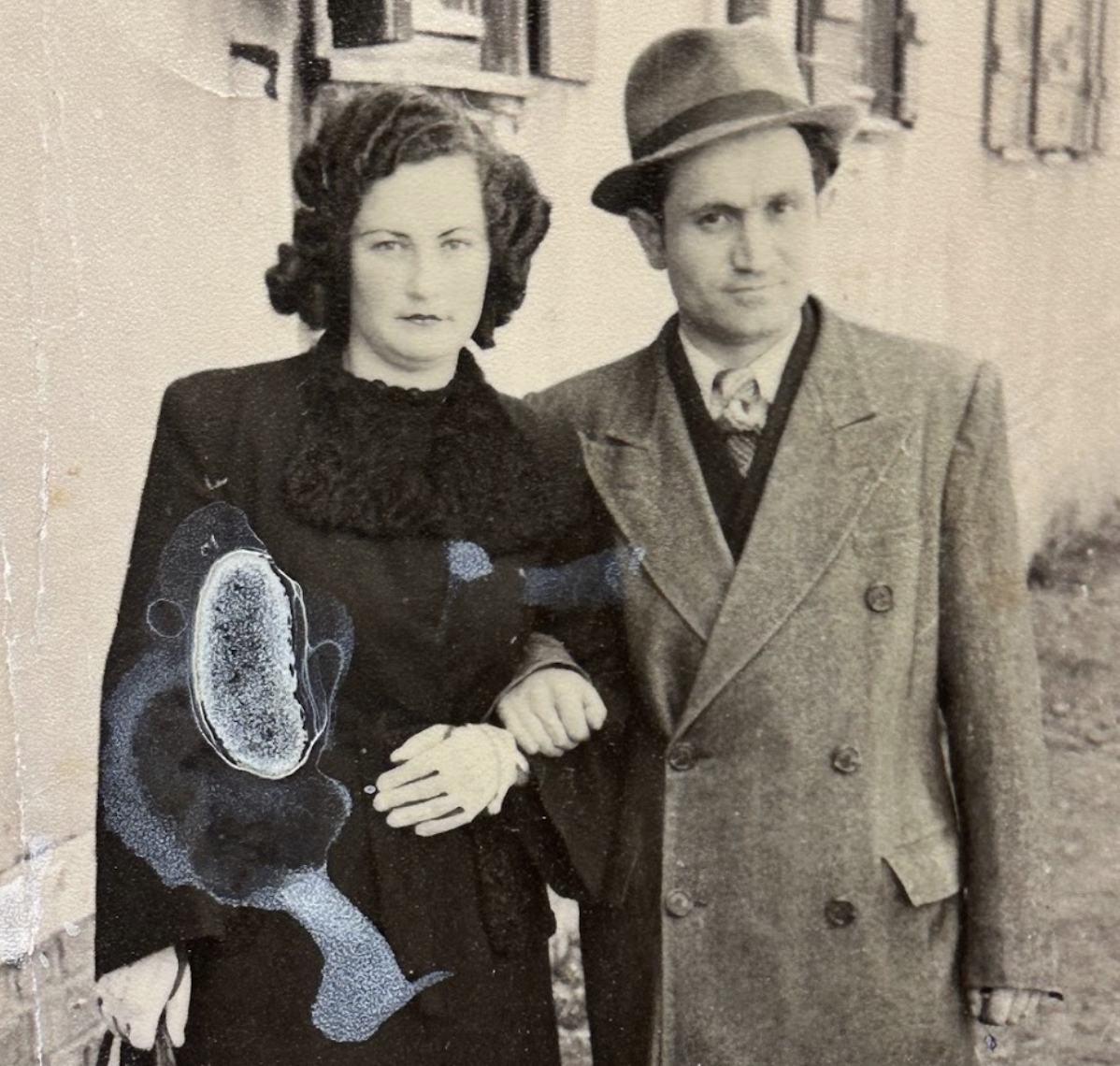
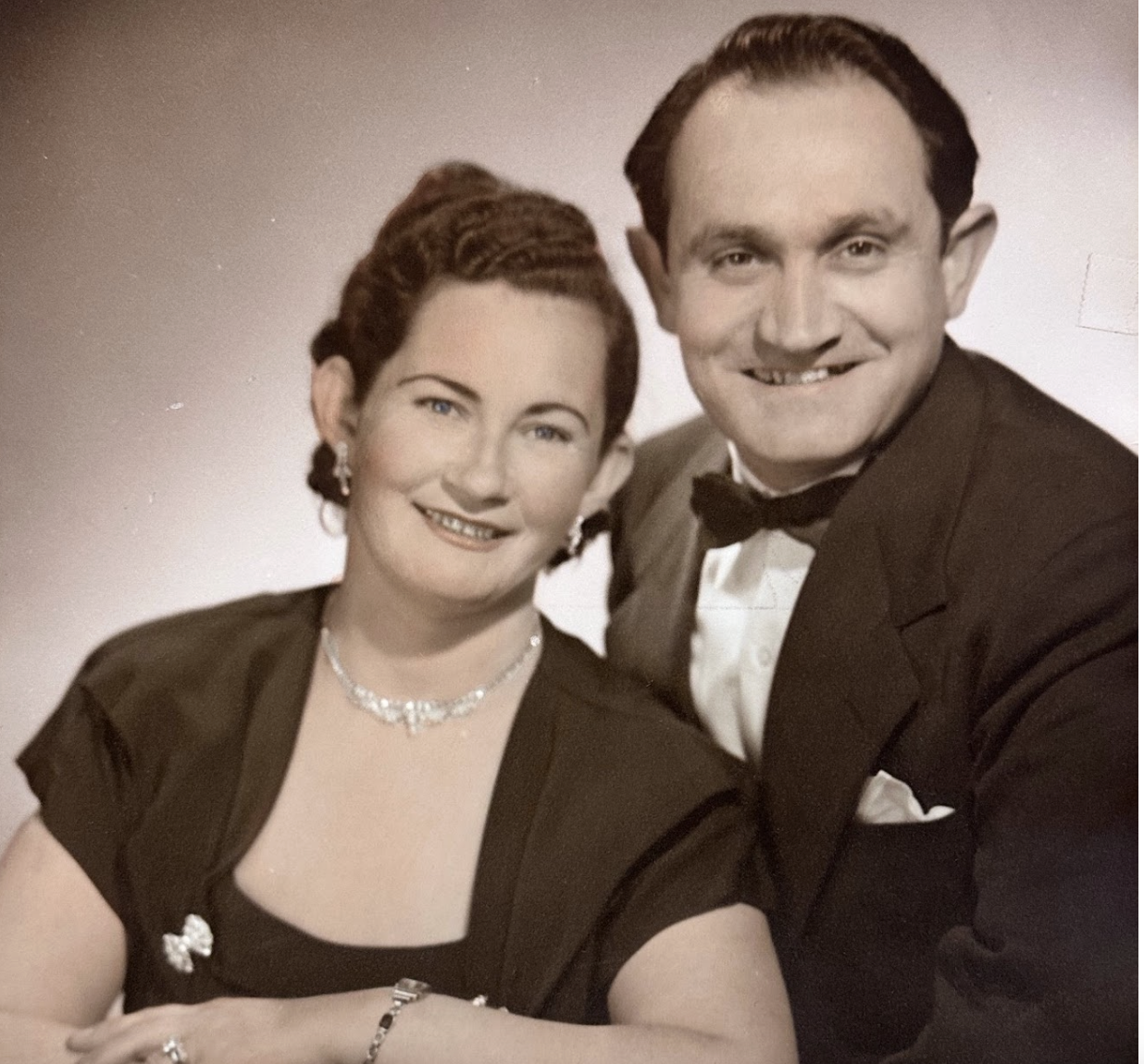
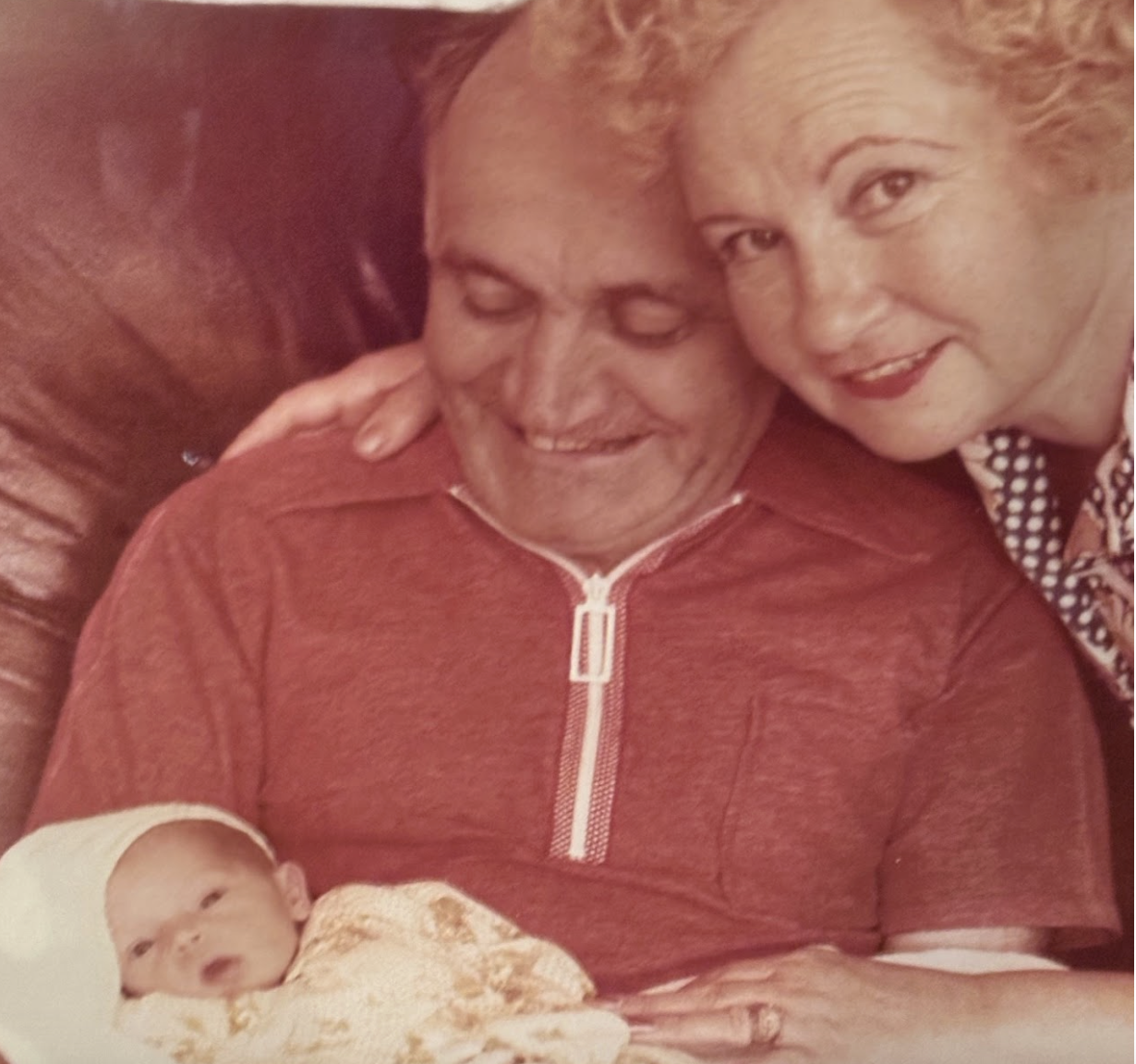
Donna and Abraham Rubinstein
Donna Rubinstein (née Dina Meister) was born to Chana and Avram Meister on January 30, 1923 in the village of Krasnostav in the Soviet Union, in what is now Ukraine. Raised in an observant Jewish family, she grew up under Soviet anti-religious policies, but her family maintained strong cultural and religious traditions. Donna developed an interest in education and aspired to become a teacher. By 1939, she had completed teacher training and began teaching in a nearby village.
In the summer of 1941, while Donna was home in Krasnostav on school break, a unit of the German Einsatzgruppen, special forces often referred to as “mobile killing squads,” entered the town. Soldiers began searching for Jews, and reports circulated that Jews in neighboring areas were being executed. On August 29, the Einsatzgruppen rounded up the town’s Jewish residents. Donna, her mother, and her grandmother attempted to hide but were discovered and taken to the town hall. Amid the chaos, Donna seized an opportunity to slip away from the group, narrowly avoiding capture.
After escaping, Donna sought refuge with a non-Jewish neighbor, who agreed to hide her in exchange for the contents of her family’s home. The neighbor told Donna that the Jews of Krasnostav, including Donna’s parents, Chana and Avram, had been executed in the nearby forest.
For the next four years, Donna lived under an assumed identity, pretending to be a Christian Ukrainian girl named Maria Filinuk. She moved between towns in western Ukraine, and then made her way to Germany, believing that she might be less likely to be identified as Jewish there. She worked first in a hospital run by nuns and later on a farm in Huffelsheim until she was liberated by American forces in March 1945. Throughout this time, Donna lived with the constant threat that her Jewish identity would be revealed. Through her resourcefulness and determination, she avoided detection and survived.
After the war, Donna attempted to return to her hometown but was stopped at the Soviet border. She was jailed and questioned by Soviet officials but managed to escape. Soon afterward, she met Abraham Rubinstein, known as Abe, a fellow Holocaust survivor who was born in Tluste, Poland on April 15, 1920. Abe recounted that on May 27,1943, the Jews of Tluste were rounded up by the Germans, marched to the Jewish cemetery and shot. Abe’s mother Sheindel, father Mordecai, sister Chava, and brothers Shmuel and Yosyl, along with numerous uncles, aunts and cousins, were killed. Abe was spared because he was working in a labor camp that day. He subsequently hid in fields and forests until Soviet troops occupied Tluste in 1944 and he was forced to join the Soviet army.
Donna and Abe married within weeks of meeting, and their daughter Chana Sheindel was born in a displaced persons camp in Kassel, Germany in 1947. With assistance from relatives who had fled to the United States before the war, Donna and Abe eventually emigrated to the U.S. They settled in the Bronx, where they raised their two children and worked hard to rebuild their lives. Abe went to night school to learn English and eventually became the manager of a large cafeteria in New York City’s garment district.
Donna was a prolific and talented writer. Within a year of arriving in the United States, Donna had written an eight-part series about her life that was published in the Yiddish newspaper Der Tog. In 1950, she won first place in a contest sponsored by the Jewish newspaper The Forward, for a piece titled “America, My New Home,” in which she expressed her appreciation for the freedom and opportunities afforded by her new country. Donna also wrote a memoir, I Am the Only Survivor of Krasnostav, and provided testimony of her Holocaust experiences to the Shoah Foundation. Words from Donna’s memoir were later used in “Songs of Sorrow and Hope" for chorus and piano, a Terezin Music Foundation commission composed by Stephen Feigenbaum.
Abe passed away in 1994 at the age of 73, and Donna passed away in 2005, at 82. They had four grandchildren, including Karen Spiegel Poppers, mother of Heschel students Ayelet and Benji Poppers.