Solomon Kest
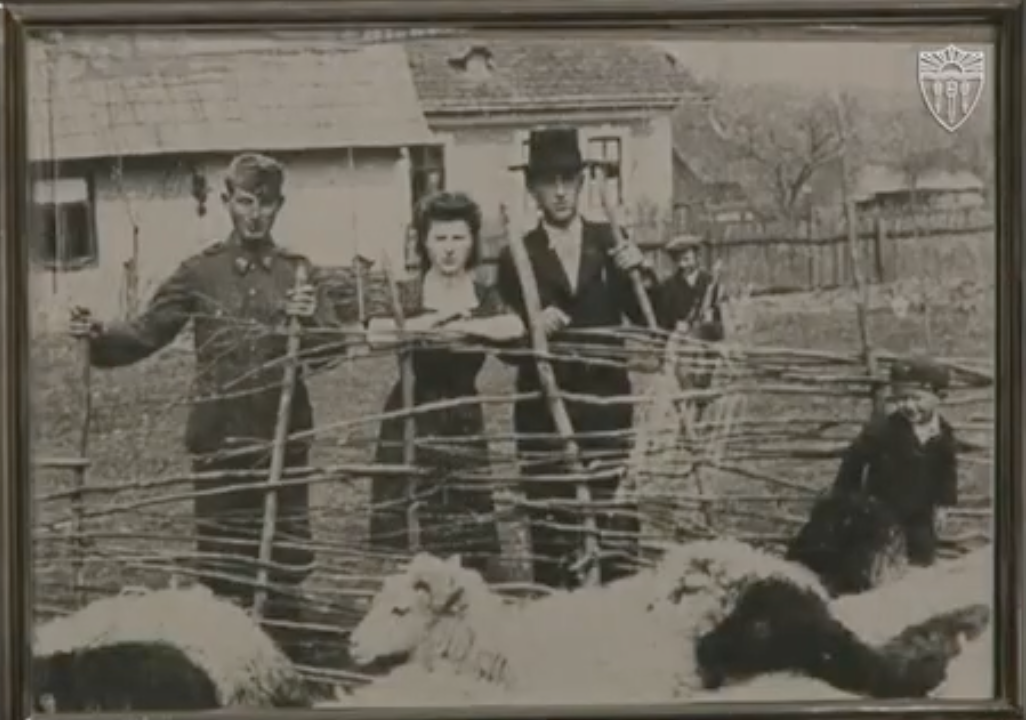
Solomon (“Sol”) Kest was born on March 10, 1922 in Vulchovce, a village in the Marmaros region of Transcarpathia, then part of Czechoslovakia. He was the second of nine children born to Freida (née Lebovitch) and Yitzchak Elimelech Kest, and the only member of his family to survive the Holocaust. Sol’s father was a merchant who traded hides and ran a seasonal apple business, exporting the fruit from local orchards to cities across the region, including Prague and parts of Hungary. From a young age, Saul helped pick apples, pack crates, and deliver produce.
The Kests were Orthodox, and though life in Vulchovce was modest, the Jewish community was warm, vibrant and close-knit. Sol (also known as “Shloima”) rose early every morning to attend cheder, where he received a Jewish education, before going to government-run Czech school, and then returned to religious studies in the evening. When he was just 12 years old, his father sent him to study at a yeshiva in the city of Munkács because of his strong abilities as a student. Although he was on a path to become a scholar, he also dreamed of pursuing higher education as a lawyer or doctor.
Life changed dramatically for the region’s Jews in the spring of 1938, when Nazis awarded parts of Czechoslovakia to their Hungarian allies. Over the next few years, the Hungarian government instituted anti-Jewish legislation, harassment of Jews increased, and able-bodied Jewish men were conscripted into forced labor. Sol’s older brother, Avraham Zev (“Velvel”), was sent to the Eastern Front, where he was killed. Despite these hardships, the Jews in Transcarpathia were relatively safe until March 1944, when Germany invaded Hungary. Within just a few weeks, the Vulchovce community was forced into the Munkács ghetto, set up in a makeshift brick factory. Thousands of people were crowded together, contending with unsanitary conditions, hunger and thirst, among them Sol, his parents, his brothers Chaim, Moishe, and Asher Zelig, and his sisters, Sara Golda, Rachel, and Chava.
Between May 15 and May 23, 1944, the ghetto was liquidated, its inhabitants deported in crammed cattle cars to Auschwitz. Upon arrival, after traveling for several days with almost no water, food or air, they were pulled out of the trains and ordered to line up for selection. Young men and childless women were spared, while the elderly and women with children were immediately sent to their deaths in the gas chambers. Sol recalled how his sister Sara Golda, who was only a couple of years younger than him, was murdered that first day because she was helping her mother carry her younger siblings. Only one brother, Chaim, was selected for work along with Sol, but he was placed in a different barracks and ultimately perished. Sol never saw anyone in his family ever again.
After only a short time at Auschwitz, Sol was taken to Buchenwald, but then transported to Dora-Mittelbau after just a few days. There, he was assigned to work in its largest subcamp, Ellrich-Juliushütte, where prisoners were forced to build underground tunnels for German weapon production. The work was brutal. Prisoners labored for hours in freezing conditions. Many were beaten or killed when they could not keep up.
Sol found ways to trade small amounts of bread and tobacco among prisoners for extra food. Amid the constant threat of death, this resourcefulness helped him survive. As the war neared its end, Sol was forced on a death march with fellow prisoners. Anyone who couldn’t keep up was shot. Sol eventually arrived at Bergen-Belsen, where conditions were calamitous. By the time the British liberated the camp in April 1945, Sol weighed only about 80 pounds.
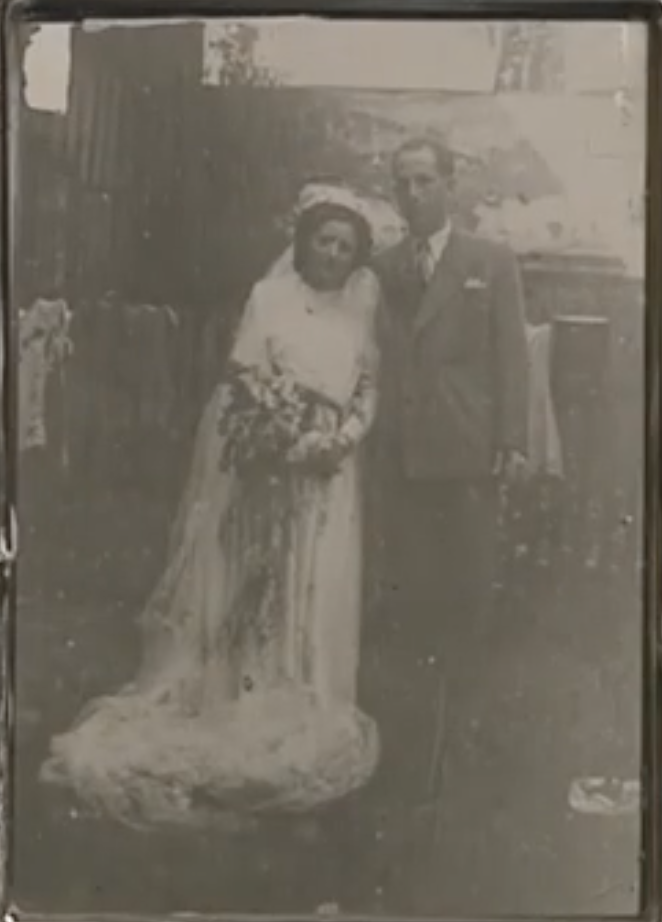
After recovering his strength, Sol returned to Czechoslovakia, hoping to find surviving relatives. He soon learned that his entire family had been murdered. Determined to rebuild his life, Sol sought out Clara, a young woman he had known before the war. Their families had been close, and after the Holocaust, they found comfort in one another. They married in 1946 and began rebuilding their future together.
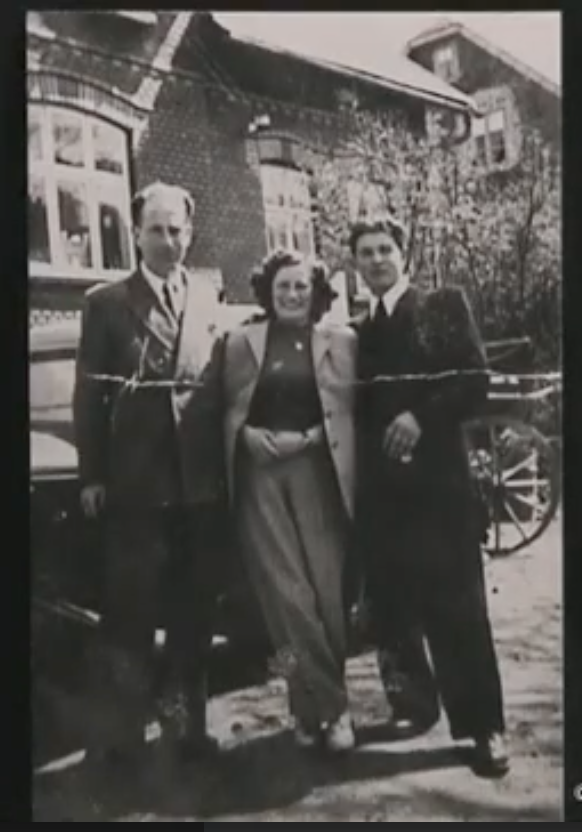
The couple initially settled in the Sudetenland region of Czechoslovakia, from which ethnic Germans were expelled after the Nazis defeat. Sol ran a grocery store, and he and Clara had a daughter, Freida, known as Francesca, before emigrating to Israel in 1949. There, Sol worked in agriculture and later opened a cement block factory and another grocery business. He and Clara had another child, Michael. Though Sol worked tirelessly, supporting a growing family was difficult.
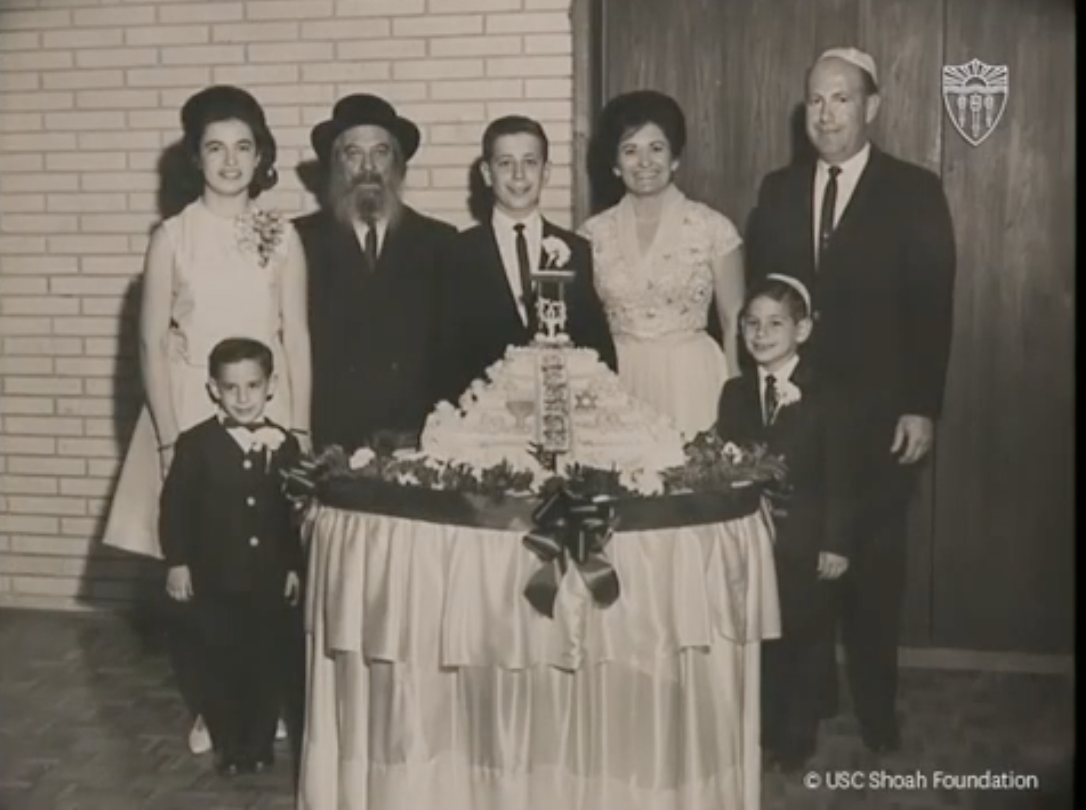
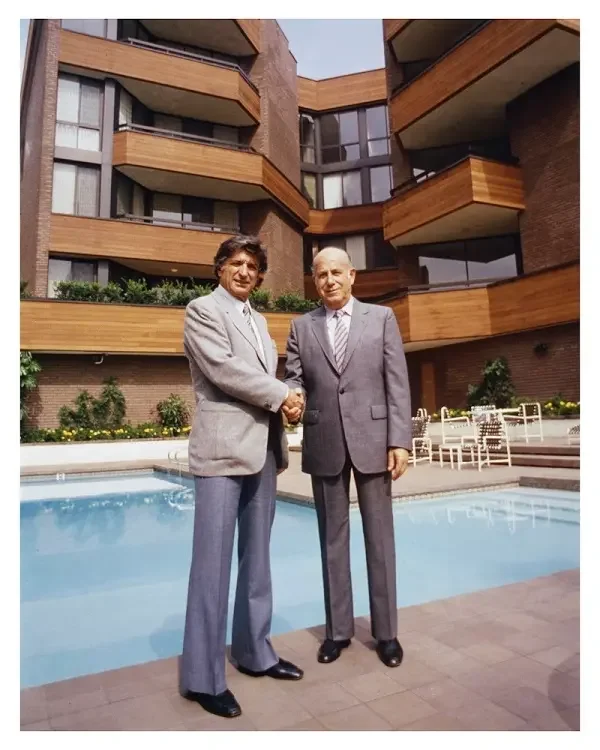
In 1955, the Kests emigrated to the United States and settled in Los Angeles, where Sol and Clara had two more sons, Benny and Ezra. Sol began working as a construction laborer and gradually rose through the ranks, eventually becoming an assistant superintendent. Sol then went into business with a fellow laborer, Jona Goldrich, who had fled Poland as a teenager to escape the Holocaust. They started a cleaning company for construction sites after noticing that many hours of work were routinely lost because laborers had to clean up job sites before they could begin construction. In 1957, Sol and Jona co-founded a pioneering real estate company that went on to become extremely successful.
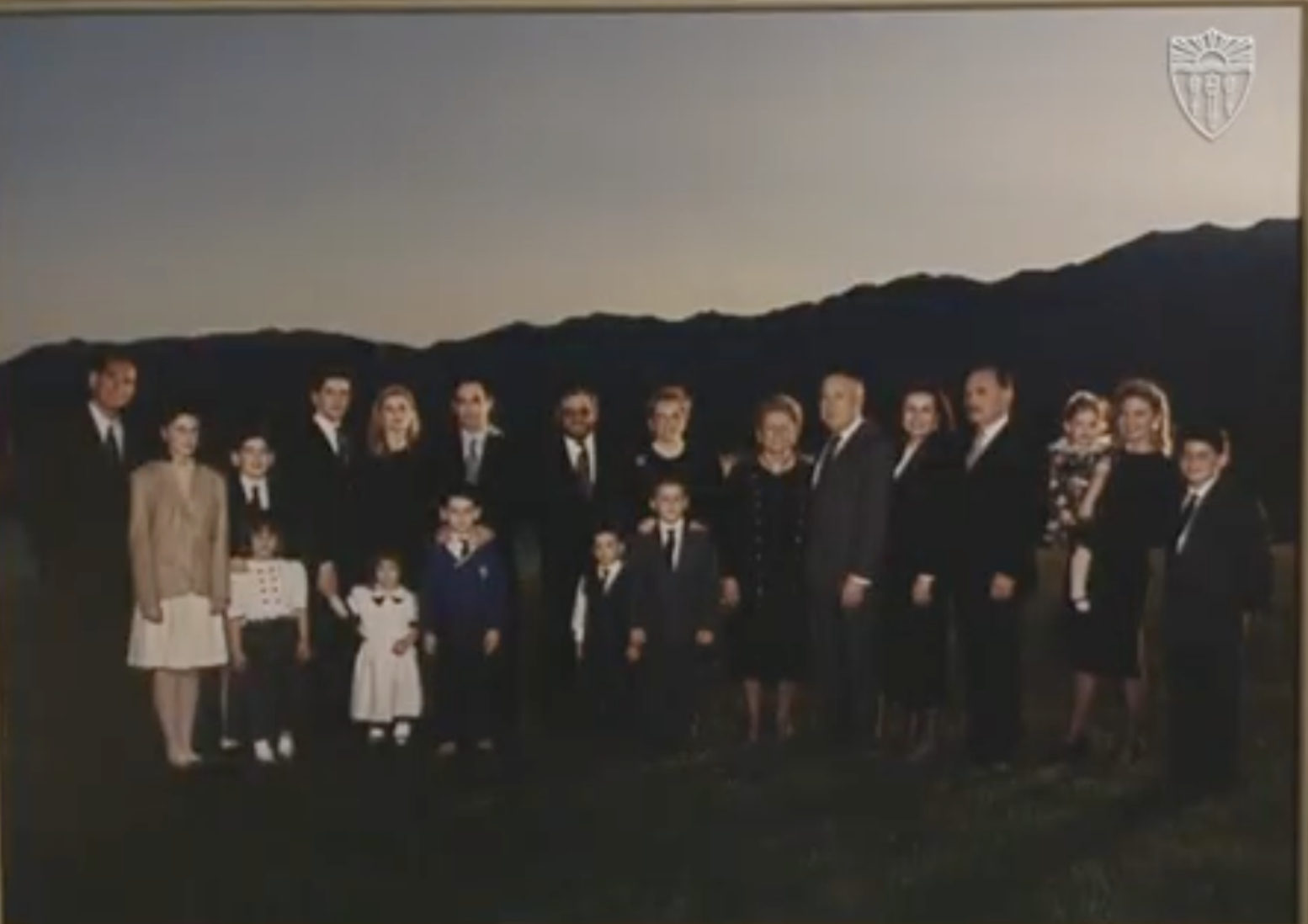
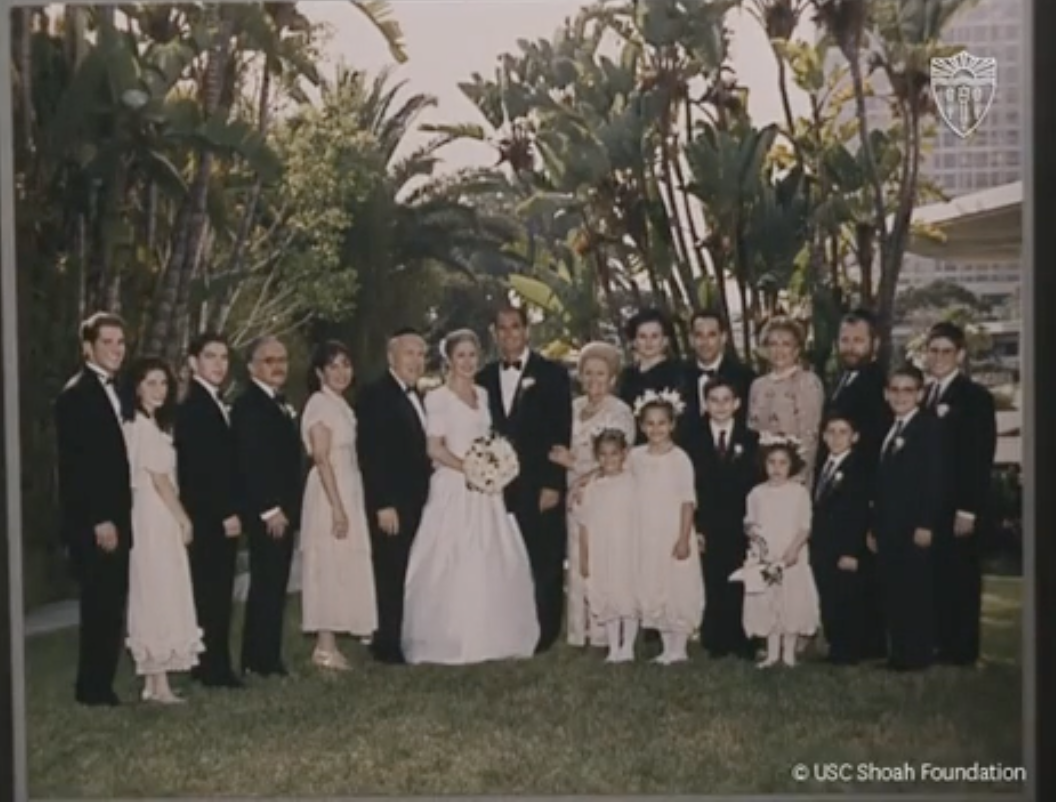
From their four children, Sol and Clara had 20 grandchildren, including Elizabeth (Lizzie) Lewinsohn, the mother of Gabriel (Heschel 2030) and Clara (Heschel 2032). They also left a lasting legacy as philanthropists, supporting various Jewish causes, in addition to endowing a professorship at the medical school of Mount Sinai in New York. Sol passed away on June 21, 2010, just shy of three years after Clara’s passing.