Judith Bell
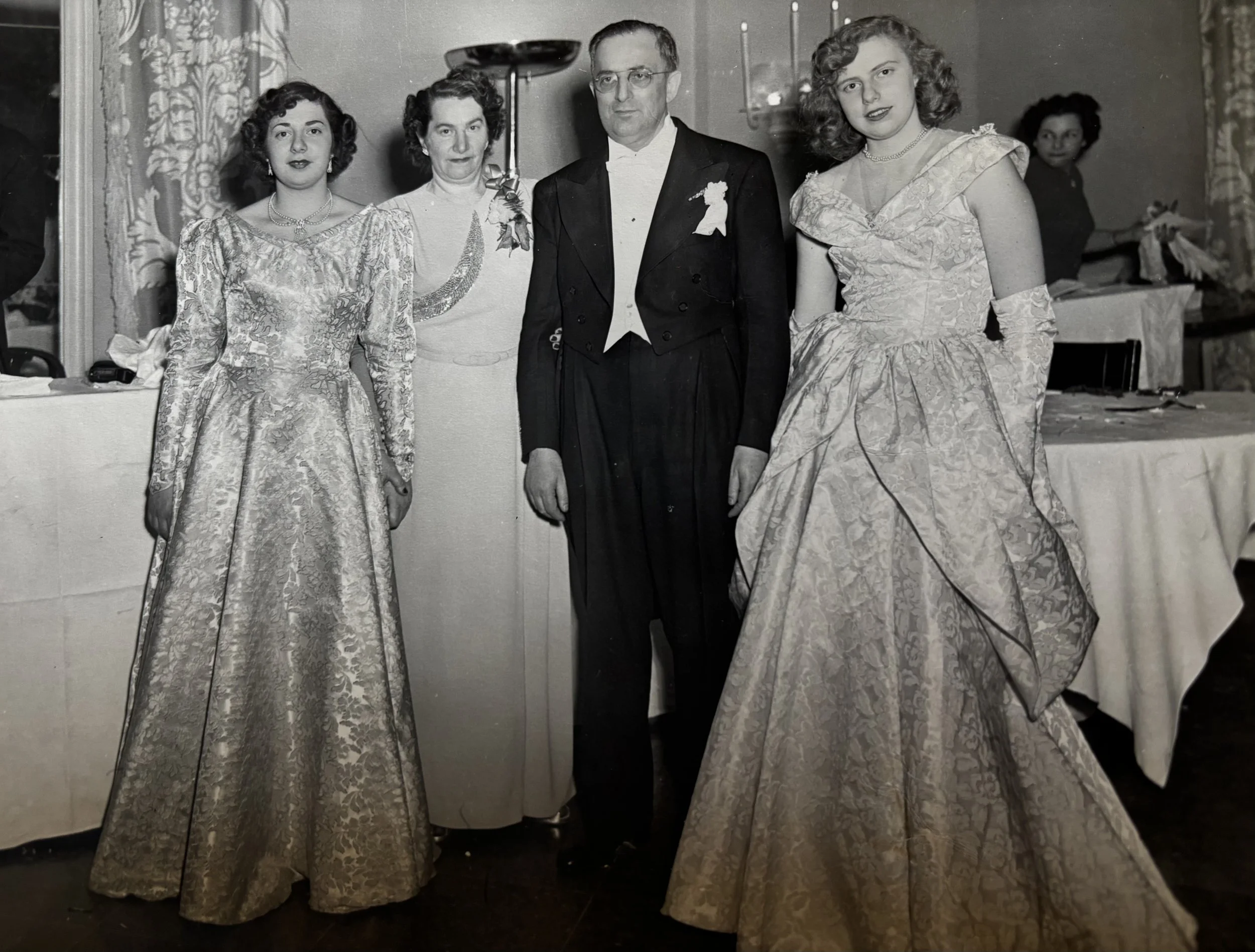
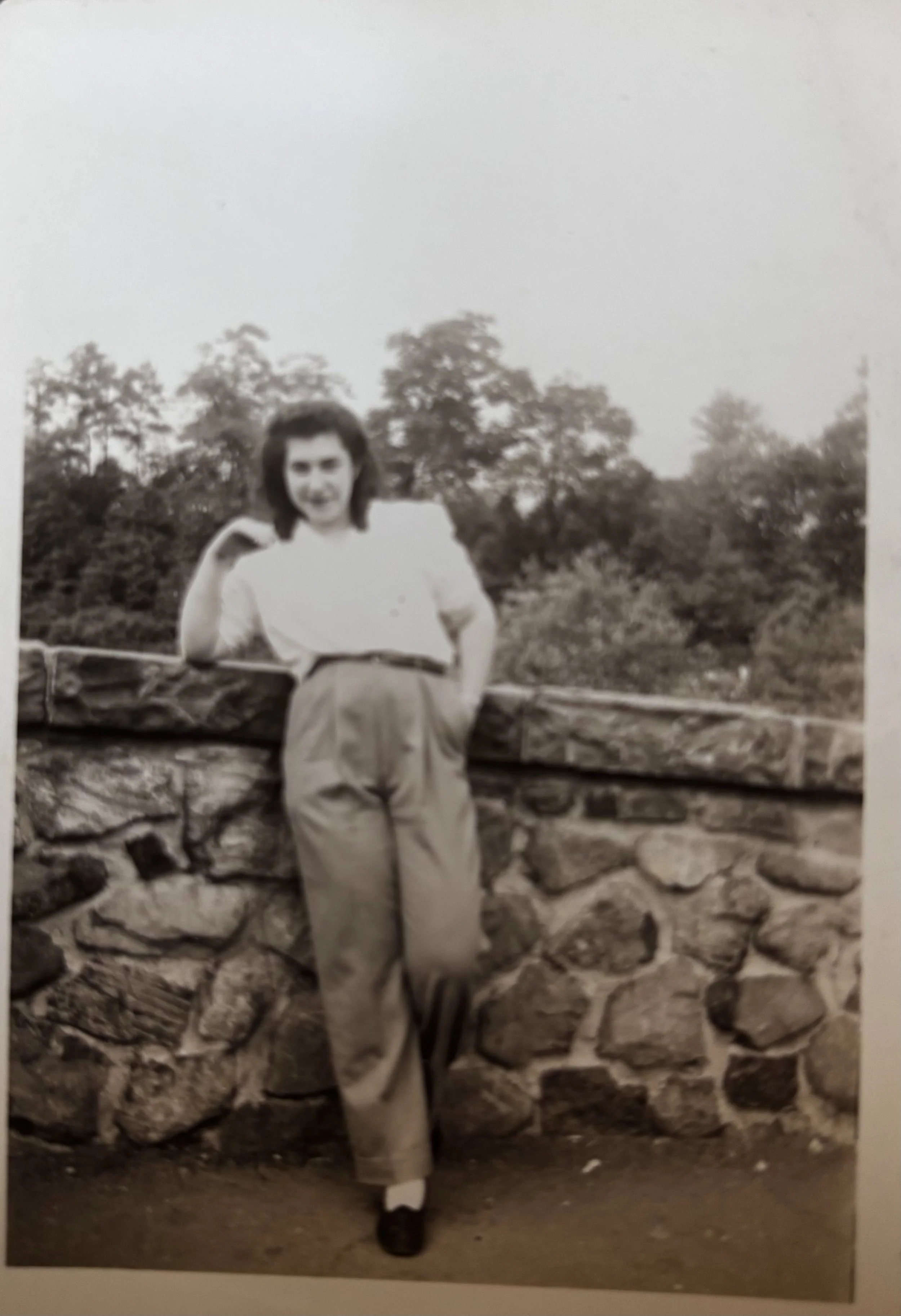
Judith (“Judy”) Bell was born in Frankfurt, Germany, in 1927 to Ilona (née Herschthal) and David Weinstock. She was only five years old, and her baby sister, Irene, was just 5 months old, when Adolph Hitler was appointed Chancellor of Germany in 1933. Her father, a teacher and cantor, recognized the danger earlier than many, having read Hitler’s writings and seen a local kosher butcher being harassed. Discrimination against Jews gradually increased, from boycotts of Jewish businesses to the enactment of the antisemitic Nuremberg Race Laws in September 1935.
Before the situation reached that point, Judy’s father became determined to find a way for his family to escape Nazi Germany. On May 16, 1933, he made his way to Strasbourg, France, where he met up with someone who was organizing a clandestine trip to British-Mandate Palestine. The group stayed there for several weeks, until they received train tickets to Trieste, Italy, from where they would board a ship to Haifa. His plan was to travel there and then arrange for his family to join him, but the night before his departure, he became terribly distraught about leaving his wife and children behind. At the last minute, he decided to go to Paris instead, where they soon joined him.
On his first day in the city, he went to the Nazareth Synagogue to pray and say kaddish for his mother, and his voice attracted the attention of the congregation’s cantor. This helped him secure a position as a cantor in Le Raincy, a commune in the eastern suburbs of Paris. The family enjoyed seven relatively comfortable and happy years there, but their sense of safety shattered in September 1939, when Germany invaded Poland. Judy and Irene were away at summer camp in the coastal town of Le Faute but their parents decided to travel more than 300 miles to retrieve them. Unsure when they might need to flee again, they packed, watched and prepared to go on a moment’s notice. The situation worsened as Germany advanced across Europe, invading France in May 1940.
When a non-Jewish neighbor told them she had heard that Germans were approaching Paris, she advised them to head to the South of France and seek refuge with her daughter who lived very close to the Spanish border. They made it to the local railroad station just before the last train was leaving to Paris, where they needed to catch another train to Bordeaux. Paris was engulfed by chaos, with thousands of people running in the darkened streets. No subways or buses were operating, so Judy and her family had to walk through the fog, carrying their luggage, to the station where railway service was still traveling south. They managed to board a train heading to the Pyrenees region, which normally took about seven hours but lasted four days.
They finally reached Escos, a small farming village of only around 150 people where their neighbor’s daughter lived. She had been expecting them and put them up in a barn on her property. They stayed there for three weeks, until the mayor informed their host that German soldiers needed a place to stay. The family moved yet again, this time walking almost 20 miles to Urdos, where they were hidden above the village bar. They were able to stay there for two months while David made arrangements to hire a guide who took refugees across the mountains to Spain. However, Ilona was not well the day they were meant to depart and they later learned that the guide had abandoned the group after taking their money.
The family decided to head towards the coast. They boarded a train that would normally get them there in around four hours but it took a full week to reach their destination, as the train had to stop many times. Every time there was an air raid, passengers were forced to evacuate and take cover until the danger passed, and on one of these occasions, Judy, Irene and Ilona were separated from David. Hidden in a cellar, Judy spotted her father on the street and cried out, “Papa!” He followed her voice and they were reunited. It was a moment of terror and relief that she carried with her for the rest of her life.
The family eventually reached Montpellier, where Judy’s father helped reopen an abandoned synagogue, creating a spiritual center for refugees. The South of France remained unoccupied until November 1942, but life there for Jews became increasingly dangerous when the Vichy government issued the so-called Jewish Statutes in October 1940 and June 1941 to meet the terms of its armistice agreement with the Germans.
As fear grew that Germany’s persecution of Jews would reach the South of France, Judy’s father began a herculean effort to secure visas for the United States. This was extremely difficult at the time, but when he heard that the American Embassy in Marseille had reopened, he immediately made his way there, and with help from diplomats, a brother and cousin who lived in the United States, Jewish welfare organizations, and compassionate strangers, he obtained the necessary affidavits and funds for himself, Ilona, Judy and Irene. They left Montpellier on April 8, 1941, traveling by train for four days until they reached Lisbon, Portugal. On May 30th, they finally escaped Europe, sailing aboard the SS Excambion just days before their visas were set to expire.
While this perilous journey, moving from city to city to outrun the Nazis, marked Judy’s childhood with instability and fear, her experiences also helped her understand the power of faith, prayer, community and parental devotion from a young age. Judy and her family arrived in New York on June 9th, finally safe but making their way in an unfamiliar world. They didn’t know the language and had to rebuild their lives from scratch. They settled in Washington Heights, and both David and Ilona worked factory and service jobs to support their family. Yet through great sacrifice and perseverance, they taught their daughters not only how to survive but how to live with integrity and purpose.
David kept up his cantorial practice, conducting high holiday services at various congregations every year, and later worked as a bookkeeper at a high-fashion retailer in Manhattan for 18 years before retiring. After a few years working at a brassiere factory, Ilona left to start her own custom lingerie business. They were both active members of Mount Sinai Jewish Center, a Modern Orthodox synagogue in Washington Heights, where David was a founding member of the Chevra Kadisha (holy Jewish burial society).
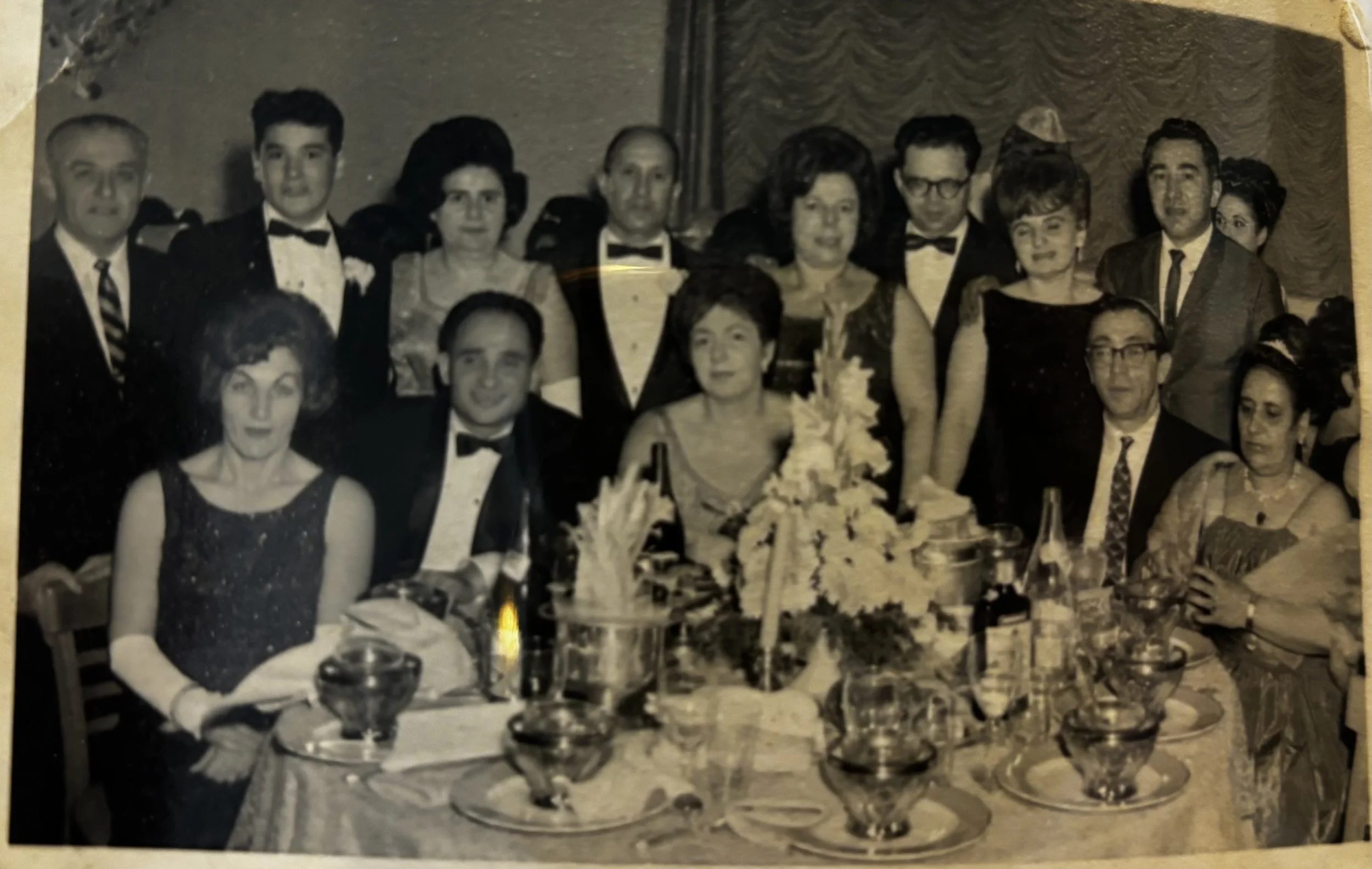
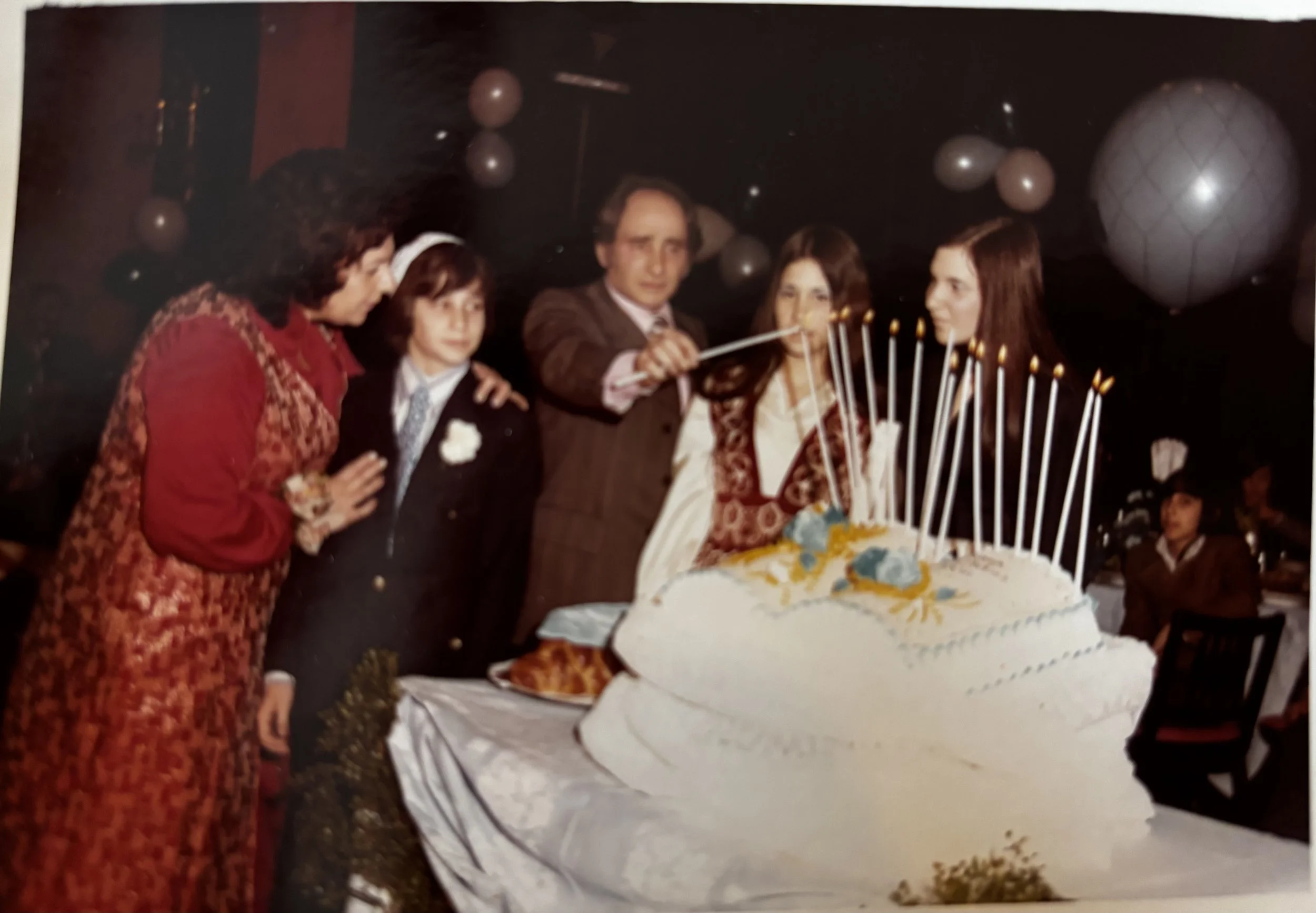
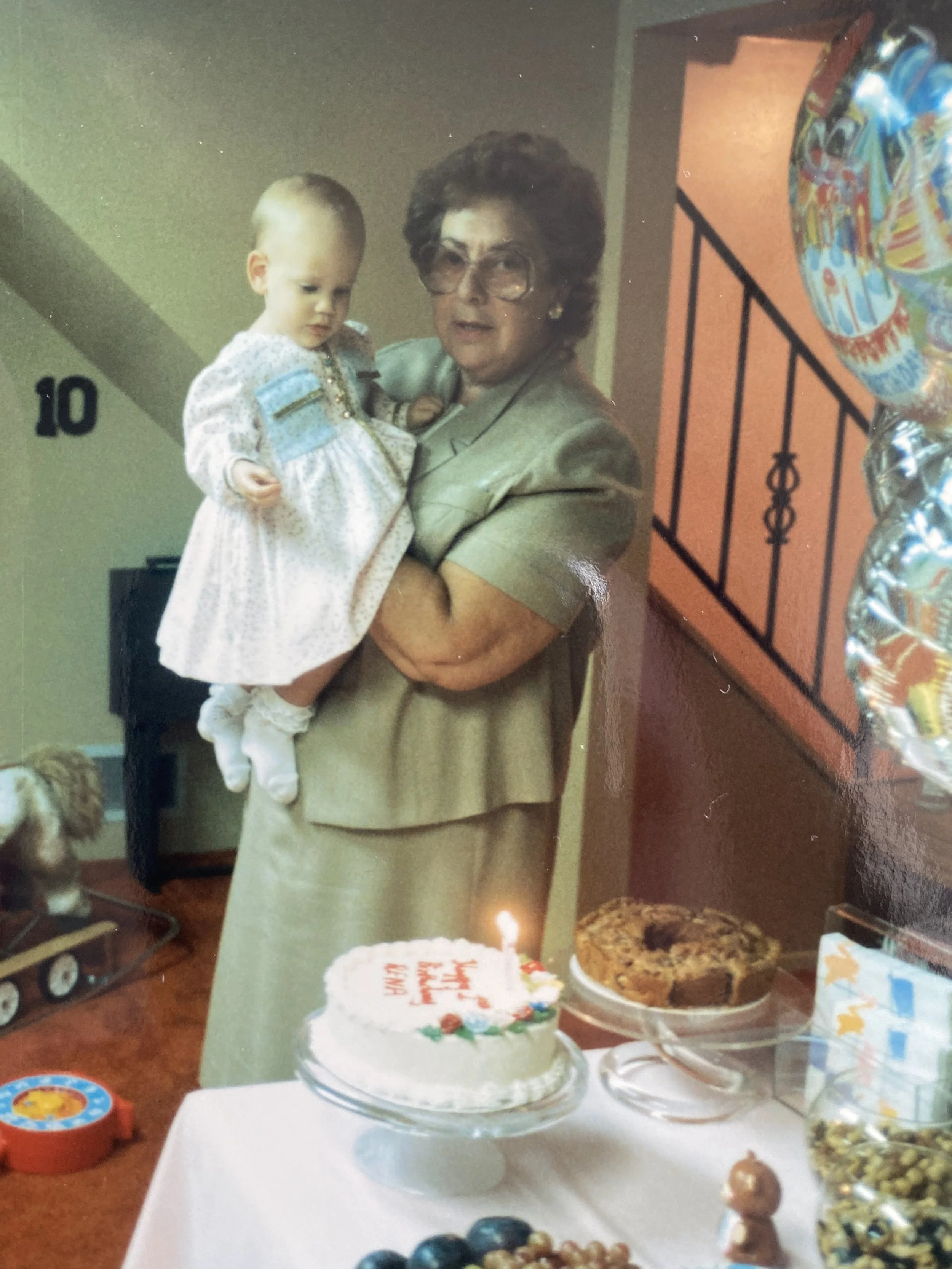
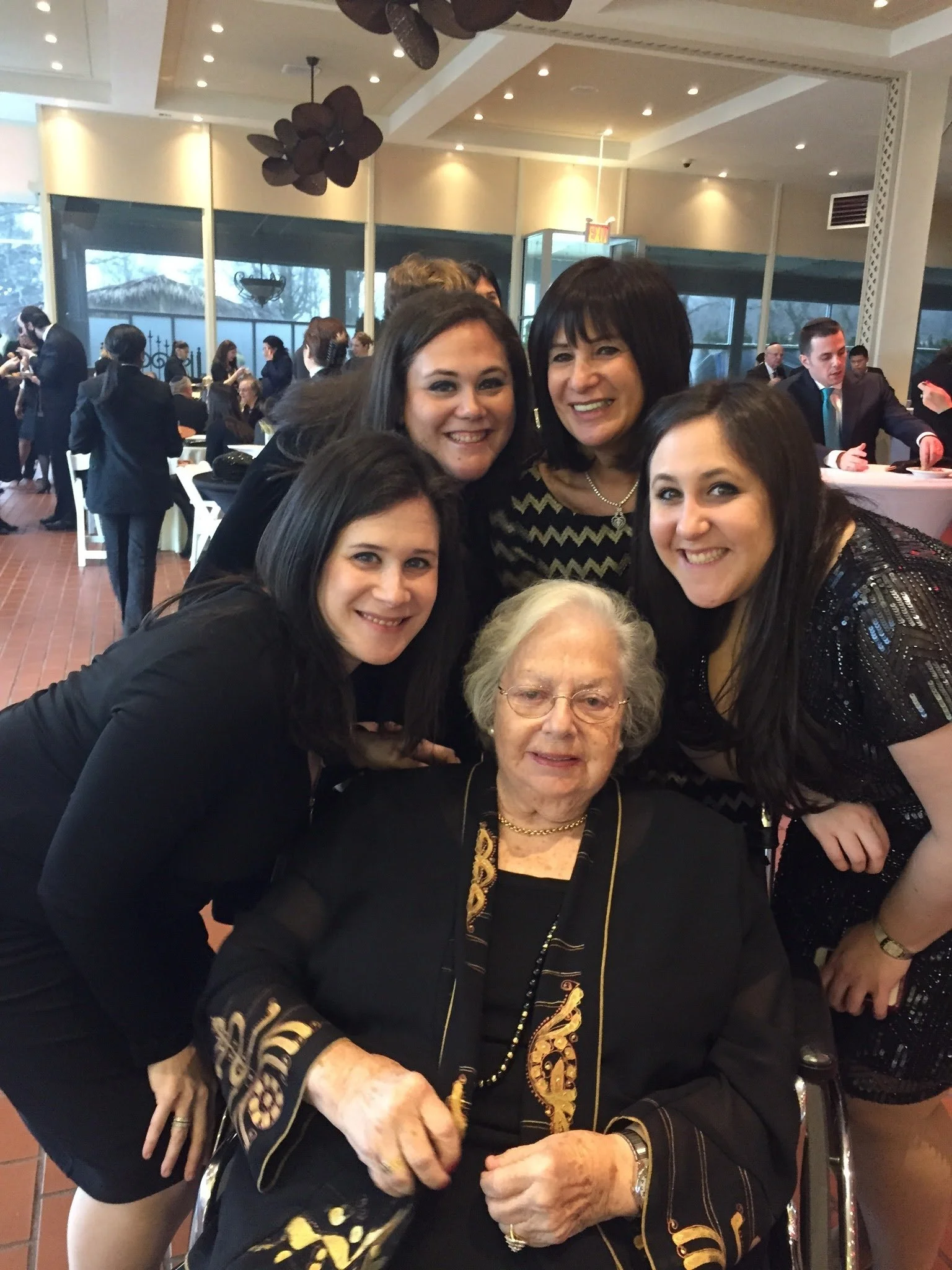
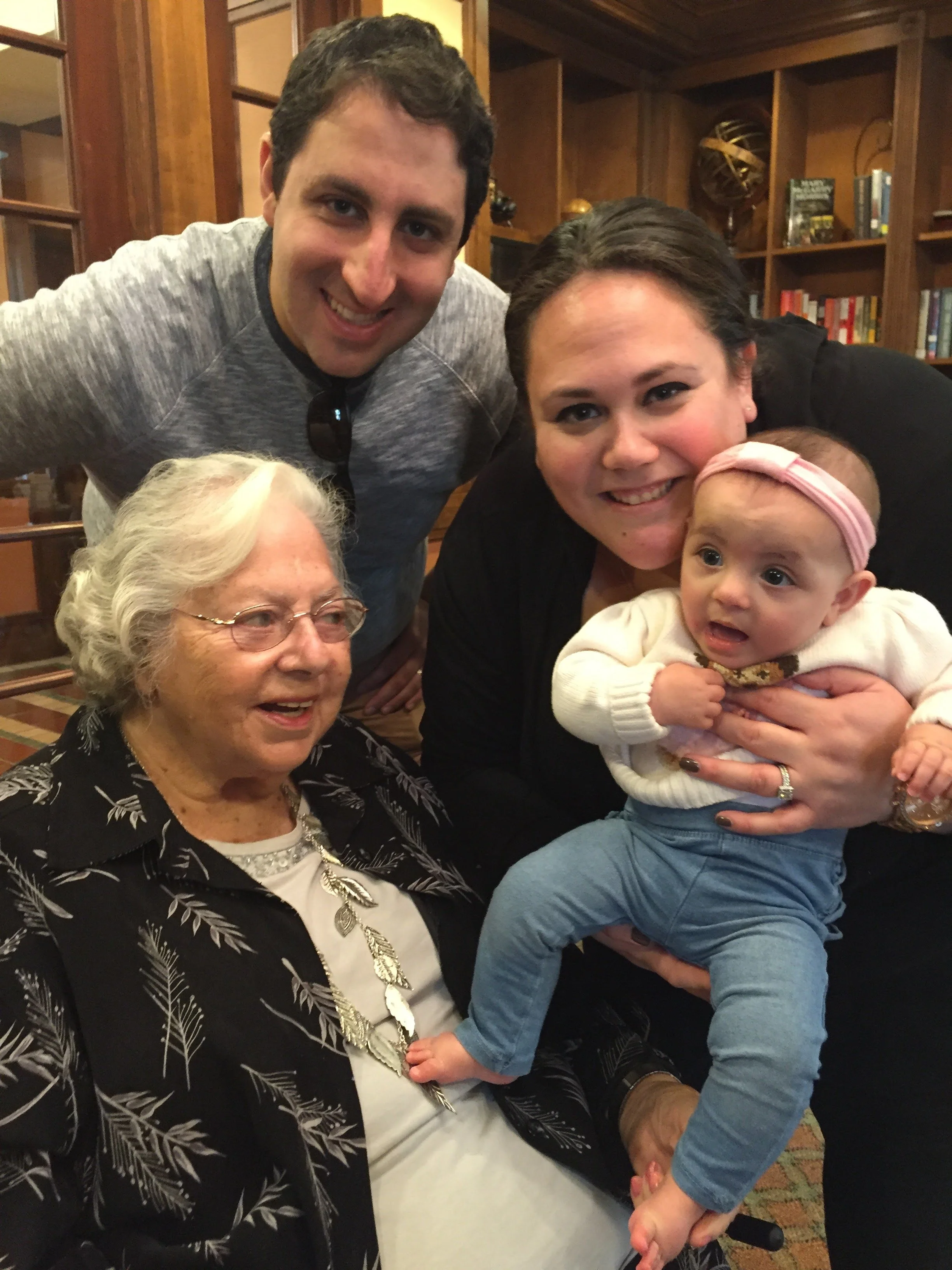
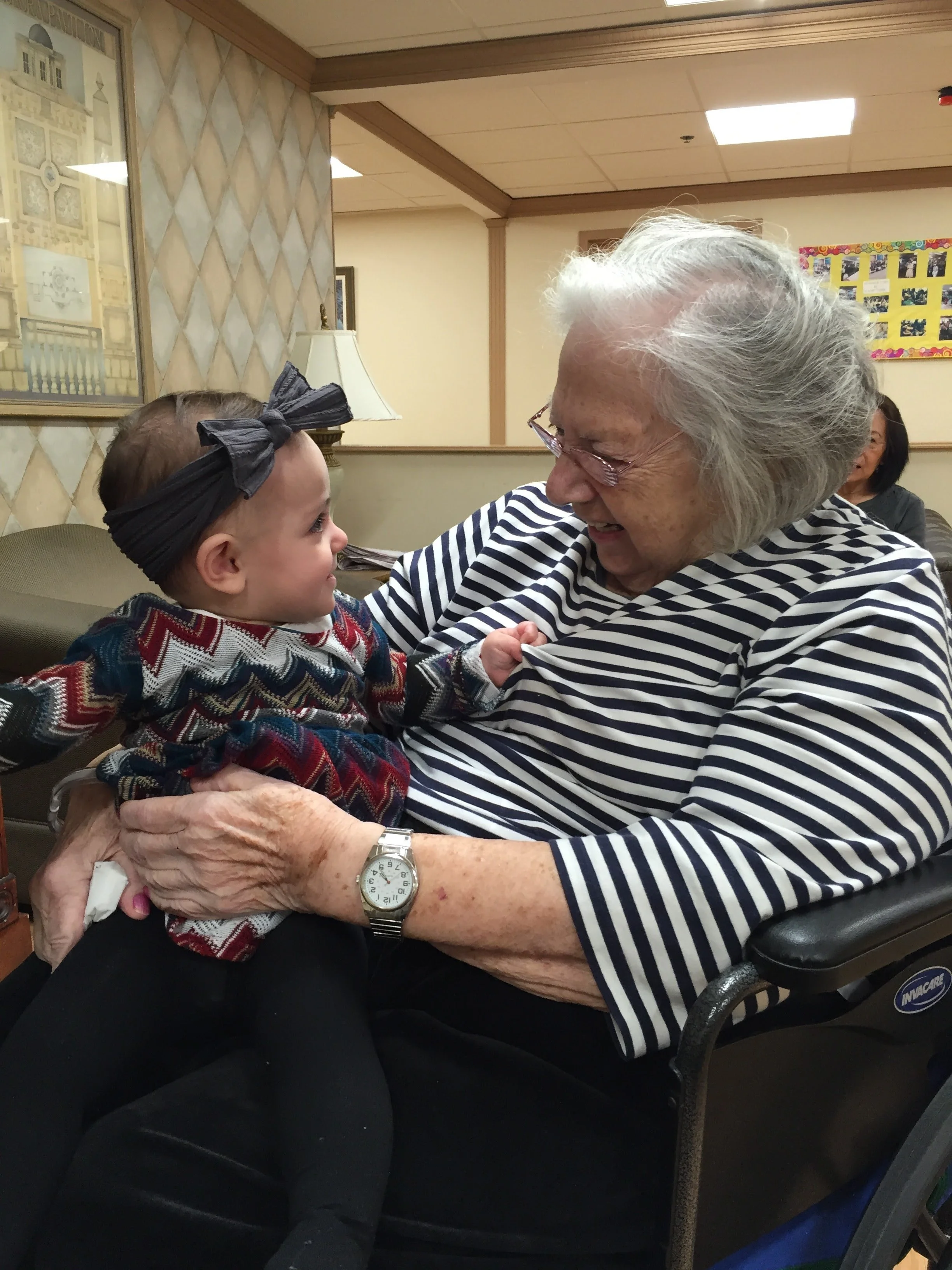
In 1952, Judy married Aron (Bielski) Bell, the youngest of the “Bielski Brothers,” who led a legendary Polish Jewish resistance group in the forests of modern-day Belarus. They were introduced by her uncle Manny Herschthal, who was married to Aron’s sister Estelle. Judy and Aron made their home on the Upper West Side of Manhattan, where they had three children, Brenda, Susan, and Alan, and later 12 grandchildren, including Rena Allen, mother of Livya (Heschel 2033) and Golda Allen.
They moved to Rockland County in 1968 and divorced in 1971. Judy was extremely hardworking, employed as a bookkeeper and business manager in many different industries. A devoted grandmother, she passed away from Covid in April 2020, shortly after her 93rd birthday.