Clara Kest
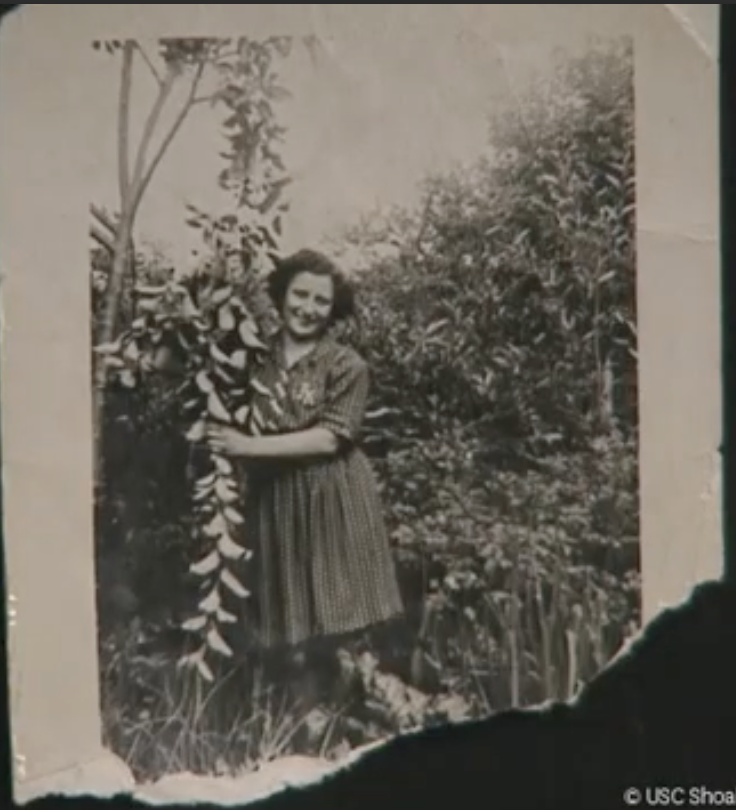
Clara Kest was born on November 21, 1921 in Dubové, a village in the Marmaros region of Transcarpathia, then part of Czechoslovakia. The youngest of three children to Berta (Batya) and Hirschl (Zvi) Adler, she had an older sister Celia (Tzirel) and brother Shloime. The Adlers were religiously observant, part of a warm and tight-knit Jewish community of around 500 families. Clara grew up keeping Shabbat, Jewish holidays, and other Orthodox practices, and participated in the Zionist youth movement B’nai Akiva. She also woke up early every morning to attend religious classes before going to the local Czech school so that she could learn Hebrew prayers and Jewish traditions.
Later in the day, Clara also studied German at a private school, as her mother believed it was important to learn as many languages as possible in order to survive in a place where cultures overlapped. In fact, everyone in her family spoke several languages common to the region, including Yiddish, Hungarian, German, and local Slavic dialects. Clara’s father was a successful businessman who managed an enterprise with his father and brother that included wholesale and retail meat sales, trading cattle at local fairs, and selling apples throughout the region. They also raised sheep and produced cheese and dairy products. The family lived comfortably and was well respected in the town.
Before the war, Clara enjoyed a happy childhood. Relations between Jews and their non-Jewish neighbors and classmates were generally cordial. Although there were occasional instances of antisemitism, for the most part, the Jews in the area felt settled and integrated within the broader community. This sense of security began to unravel in the late 1930s as news spread about Adolf Hitler and rising persecution of Jews in Europe. Clara’s father considered emigrating to then-Palestine, but by the time the danger became clear, it was already too late.
In the spring of 1938, the Nazis awarded parts of Czechoslovakia to their Hungarian allies. Over the next few years, the Hungarian government instituted anti-Jewish legislation, harassment of Jews increased, and able-bodied Jewish men were conscripted into forced labor. Clara’s brother was among those drafted but was fortunately assigned to work in his brigade’s kitchen, which may have saved his life given the dangerous conditions Jewish conscripts were subjected to. During this time, Clara’s family helped hide Jewish refugees fleeing Nazi-occupied Poland, where communities were already being put into ghettos and deported to concentration and extermination camps. They secretly sheltered those who had managed to flee and helped them reach Budapest by train.
Things took a turn for the worse in March 1944, when Germany invaded Hungary. The Nazis swiftly set up a series of ghettos in the area with help from the local authorities. The Jews of Dubové were taken to the nearby city of Tecs, where they were crammed into the ghetto and contended with unsanitary conditions, hunger and thirst. Clara also vividly recalled experiencing humiliations, for example being forced to cut her long hair, and seeing her family unceremoniously bury a relative who died in the ghetto. Soon after, they were transported by cattle car to Auschwitz. Upon arrival, Clara was separated from her parents during the selection process but remained with her sister and a cousin, Fay, and the three supported one another throughout their ordeal. They were constantly hungry, with only meager rations of watery soup and stale bread, and slept tightly packed together on wooden bunks in their barracks. They also contended with constant fear of death but resolved that if one of them were chosen for extermination in the gas chambers during Dr. Josef Mengele’s infamous selections, they would follow her rather than being separated. Through luck, resilience and mutual support, they managed to survive. They were fortunate to be assigned to work in a factory weaving belts for machine guns. The labor was grueling but it helped them avoid the selections.
As the war neared its end and Soviet forces approached, the Nazis evacuated Auschwitz. Clara was among thousands of prisoners transported to Bergen-Belsen, where rampant filth, overcrowding, malnutrition and chaos caused widespread disease and death. She was subsequently transferred to Graslitz and then Rochlitz. In early 1945, Clara was forced on a brutal death march as the Germans retreated westward. For weeks, the prisoners walked day and night through the forest in freezing weather, surviving on leaves and scraps of food. Many of the women collapsed, died and were shot along the way. Clara, her sister, and their cousin stayed together, helping one another survive.
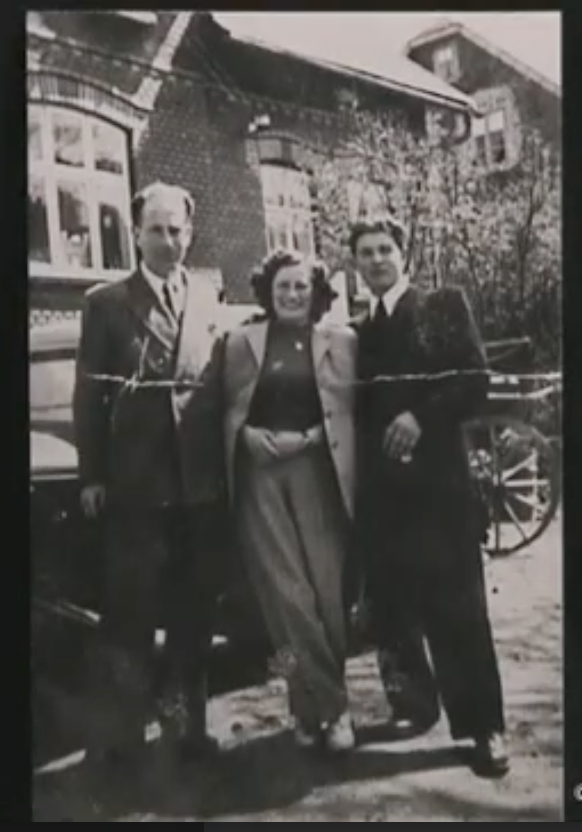
Finally, in May 1945, the guards fled as Soviet armed forces approached. Clara and the remaining prisoners were liberated by Russian soldiers. Weak and exhausted, they were taken to a nearby town where local residents were ordered to house and feed them while they recovered. After several weeks, Clara traveled to Prague, a gathering point for survivors searching for relatives. Eventually, she made her way to Žilina in Slovakia, where a remarkable reunion occurred: her father, who had survived forced labor, suddenly walked into the same relief center where she was staying. Her brother had also survived, though her mother and much of their extended family had perished.
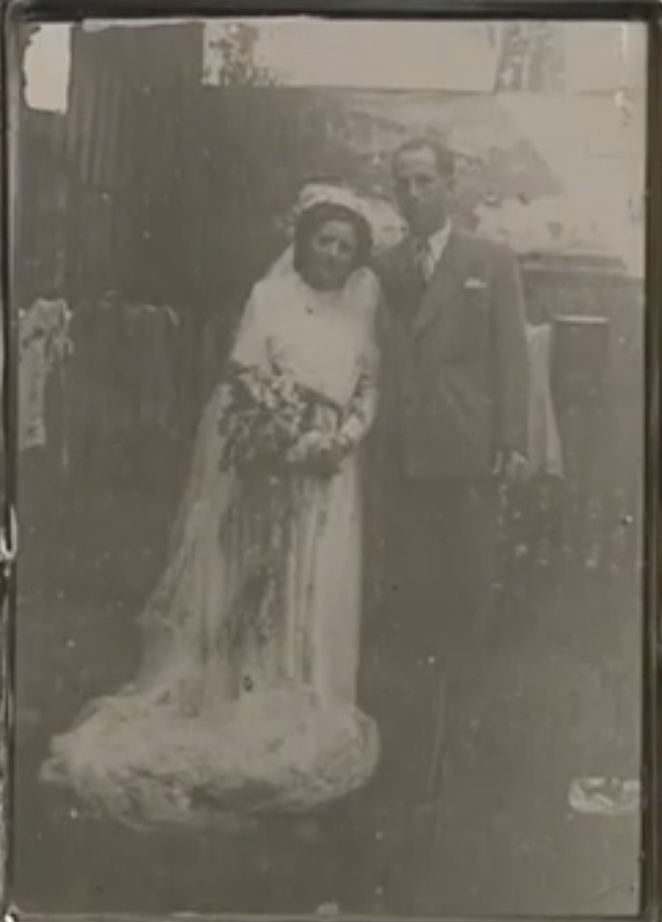
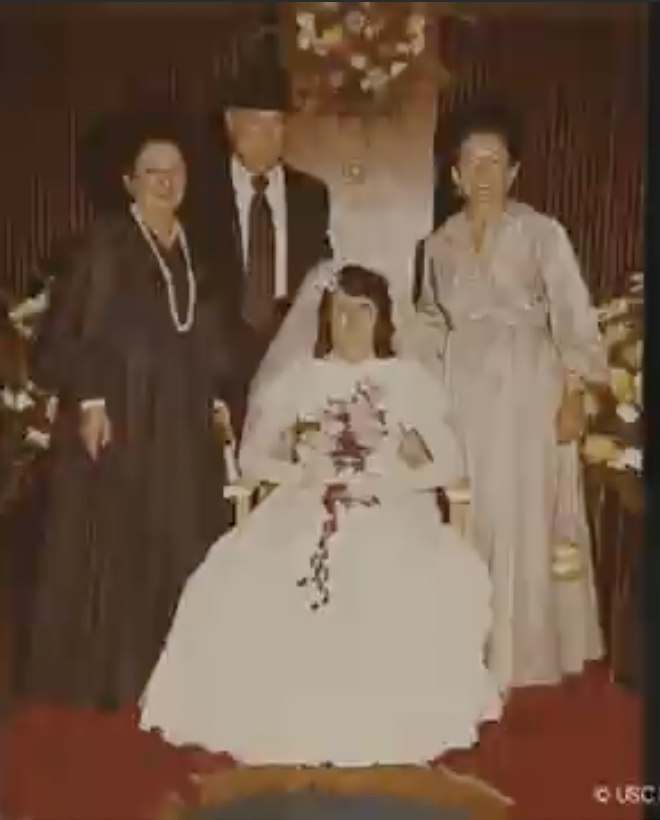
Determined to rebuild her life, Clara married Sol Kest in 1946. He was a fellow survivor from the region and their families had been close before the war. They initially settled in the Sudetenland region of Czechoslovakia and opened a grocery store. Their daughter, Francesca, was born there before they emigrated to Israel in 1949, where Sol worked in agriculture and later opened a cement block factory and another grocery. He and Clara had another child, Michael, and though Sol worked tirelessly, supporting a growing family was difficult.
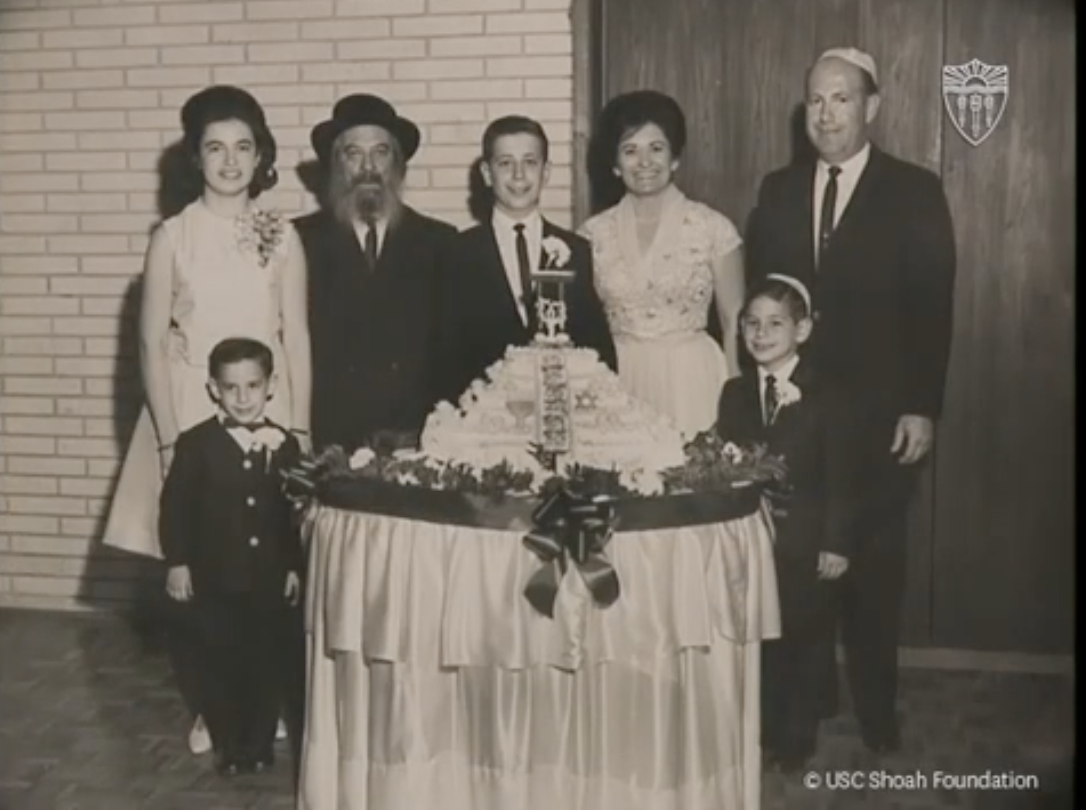
In 1955, the Kests emigrated to the United States and settled in Los Angeles, where Sol and Clara had two more sons, Benny and Ezra. Starting over yet again was not easy. Sol began working as a construction laborer and often travelled long distances for jobs, while Clara helped support the family by caring for neighborhood children. Sol gradually rose through the ranks, eventually becoming an assistant superintendent, and then went into business with Jona Goldrich, a fellow construction laborer who had fled Poland as a teenager to escape the Nazis. They started a cleaning company for construction sites before co-founding a pioneering real estate company in 1957.
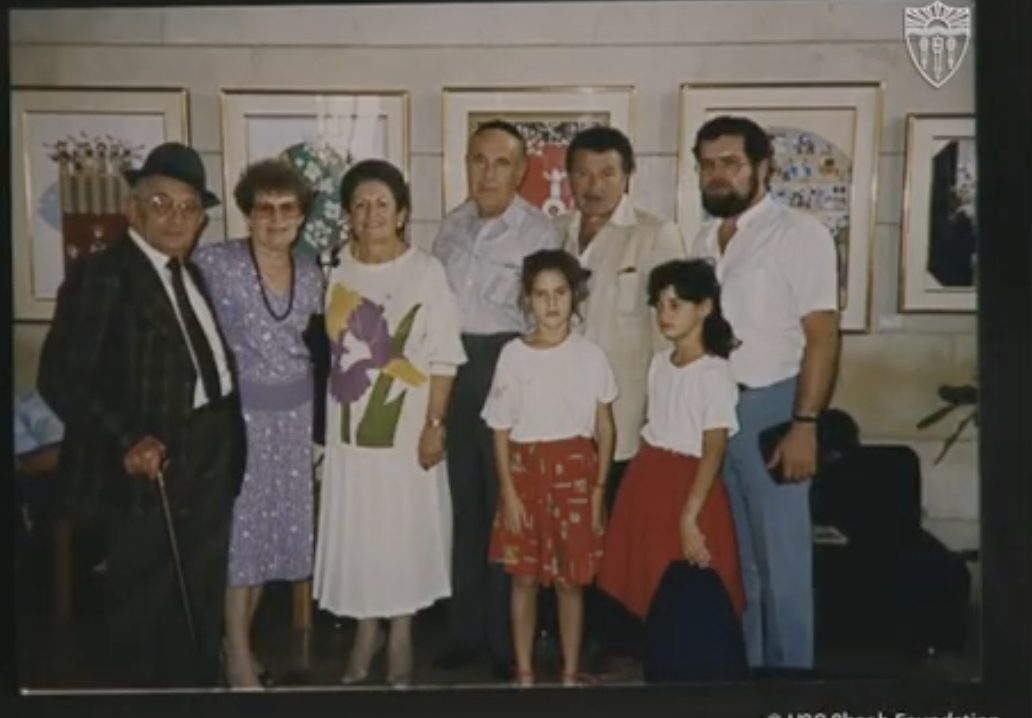
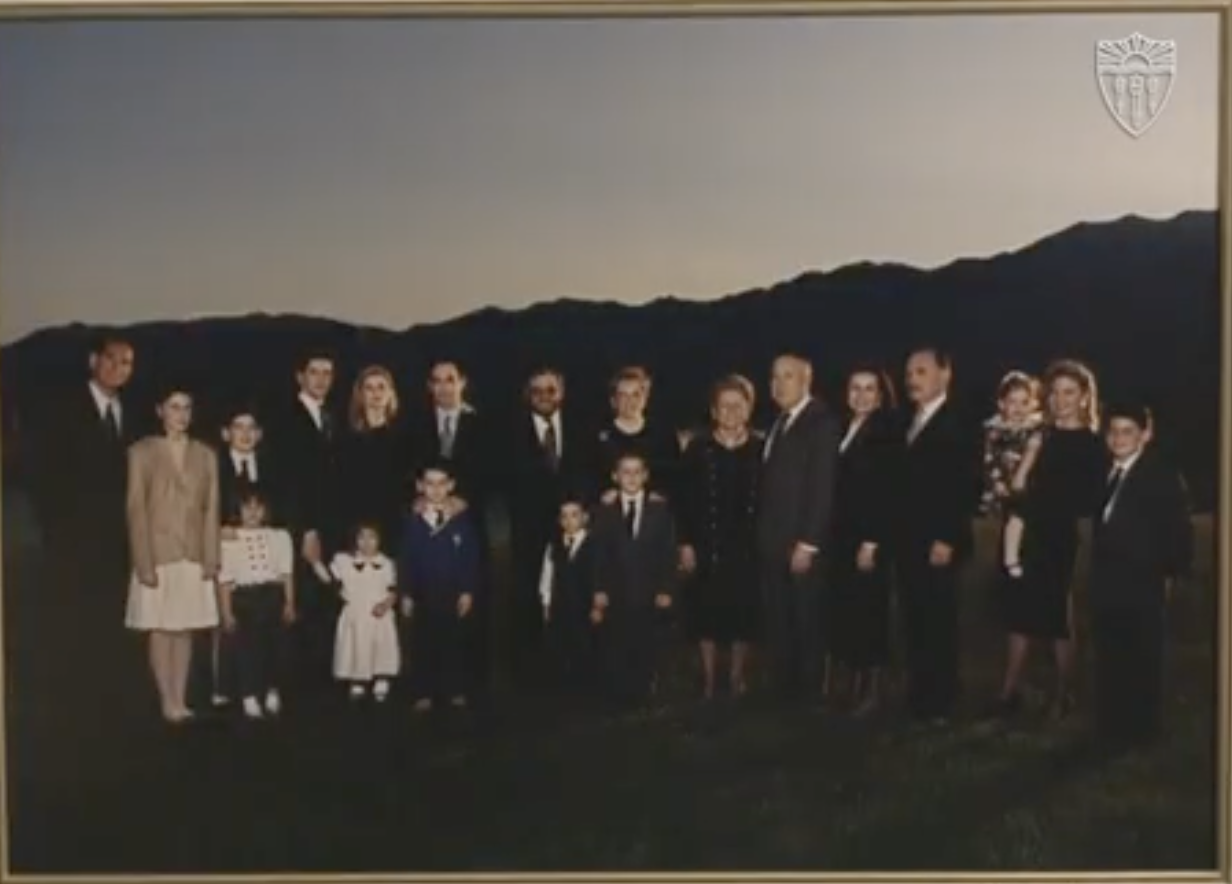
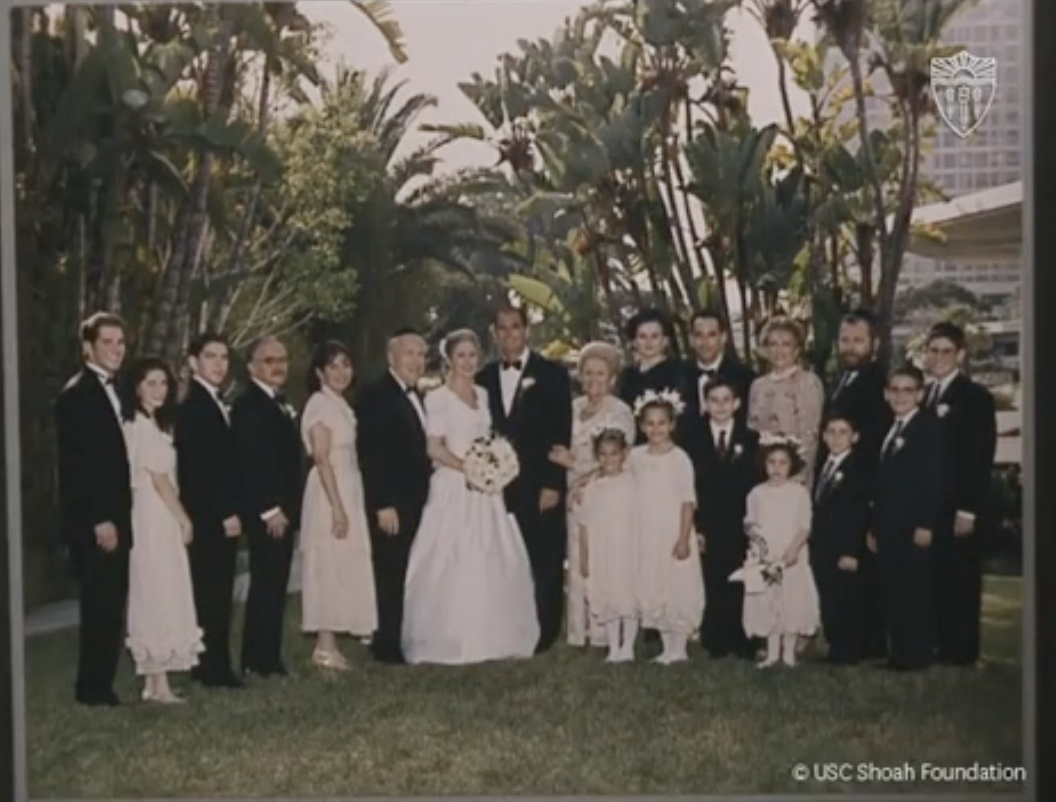
From their four children, Sol and Clara had 20 grandchildren, including Elizabeth (Lizzie) Lewinsohn, the mother of Gabriel (Heschel 2030) and Clara (Heschel 2032). They also left a lasting legacy as philanthropists, focusing on Jewish causes and medical care. Among other contributions, they founded a center for IDF soldiers in Jerusalem and endowed a professorship at the medical school of Mount Sinai in New York. Clara passed away on September 1, 2007, roughly three years before Sol.
Despite the immense losses Clara endured, she was known for her strength, resilience, and devotion to family. She was dedicated to maintaining her Jewish identity and ensuring that future generations would remember both the tragedy of the Holocaust and the importance of living meaningful Jewish lives.