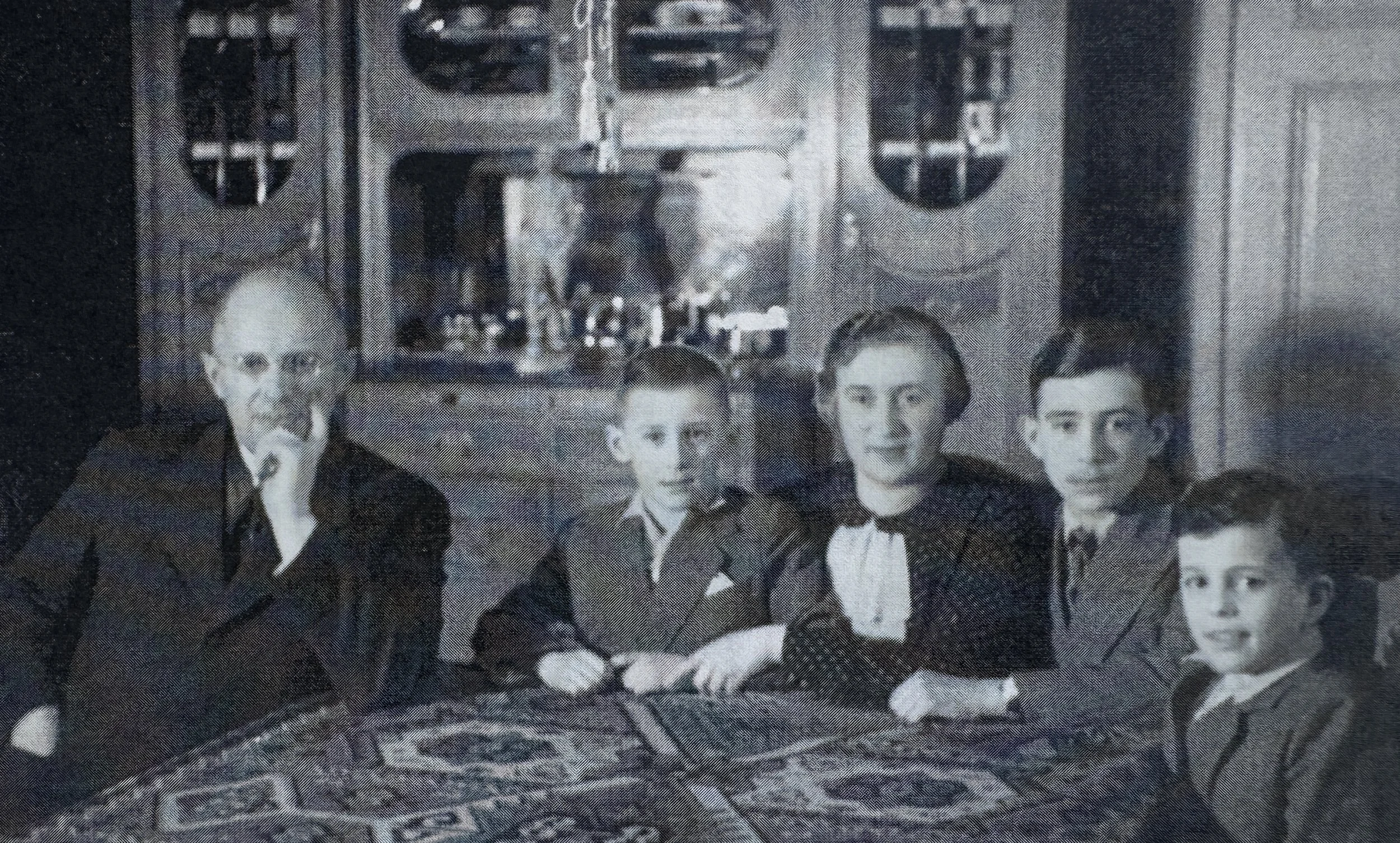
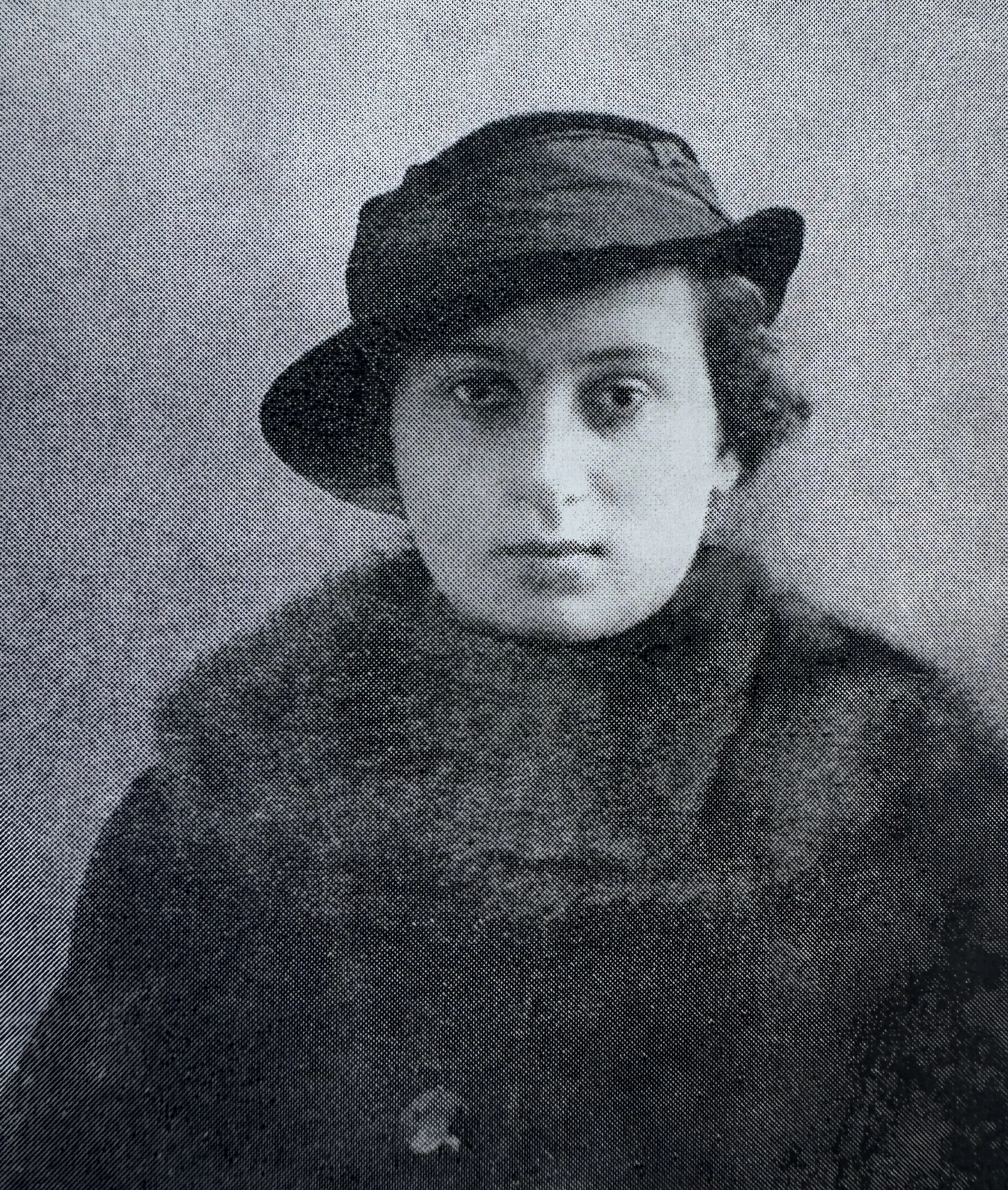
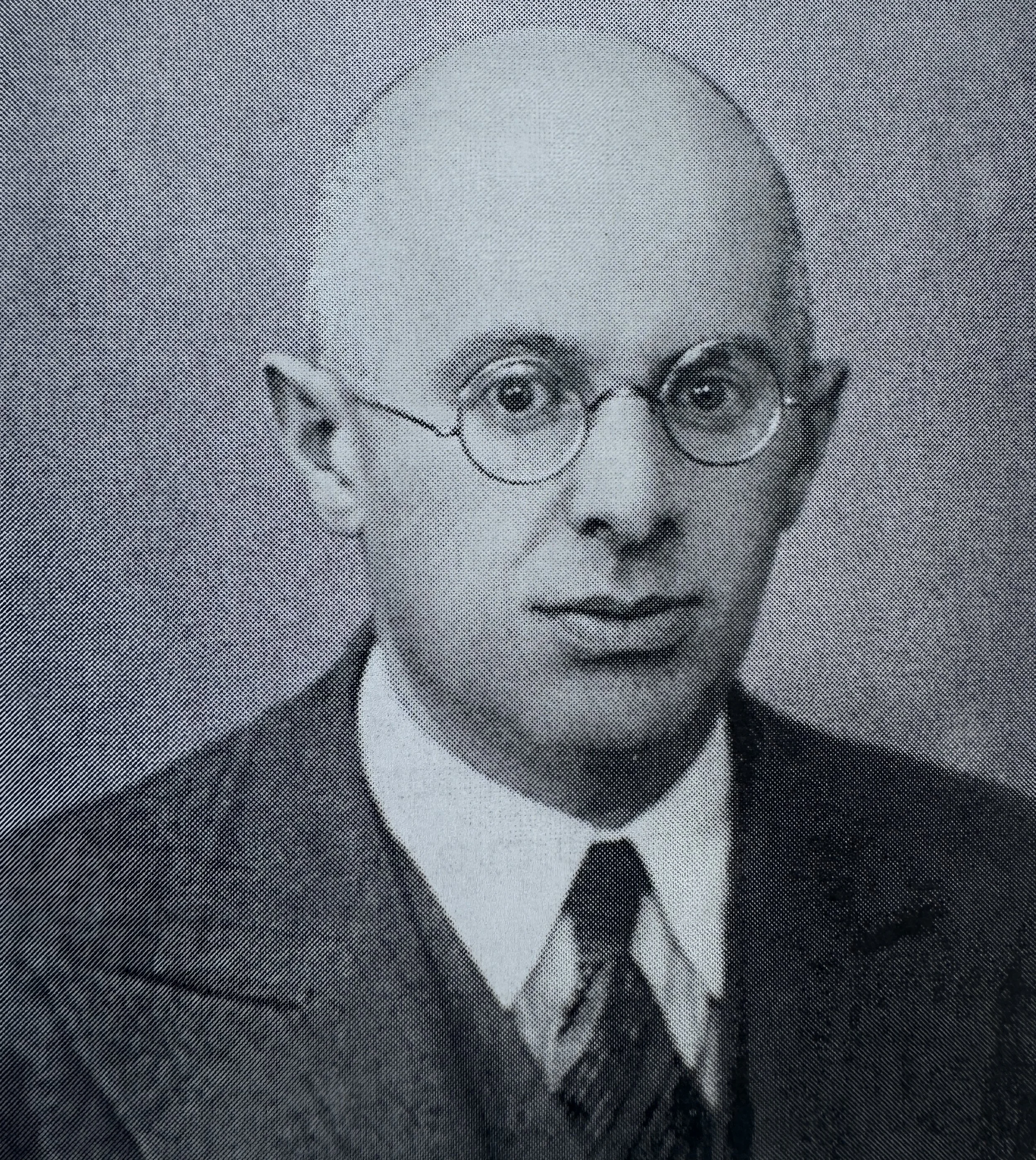
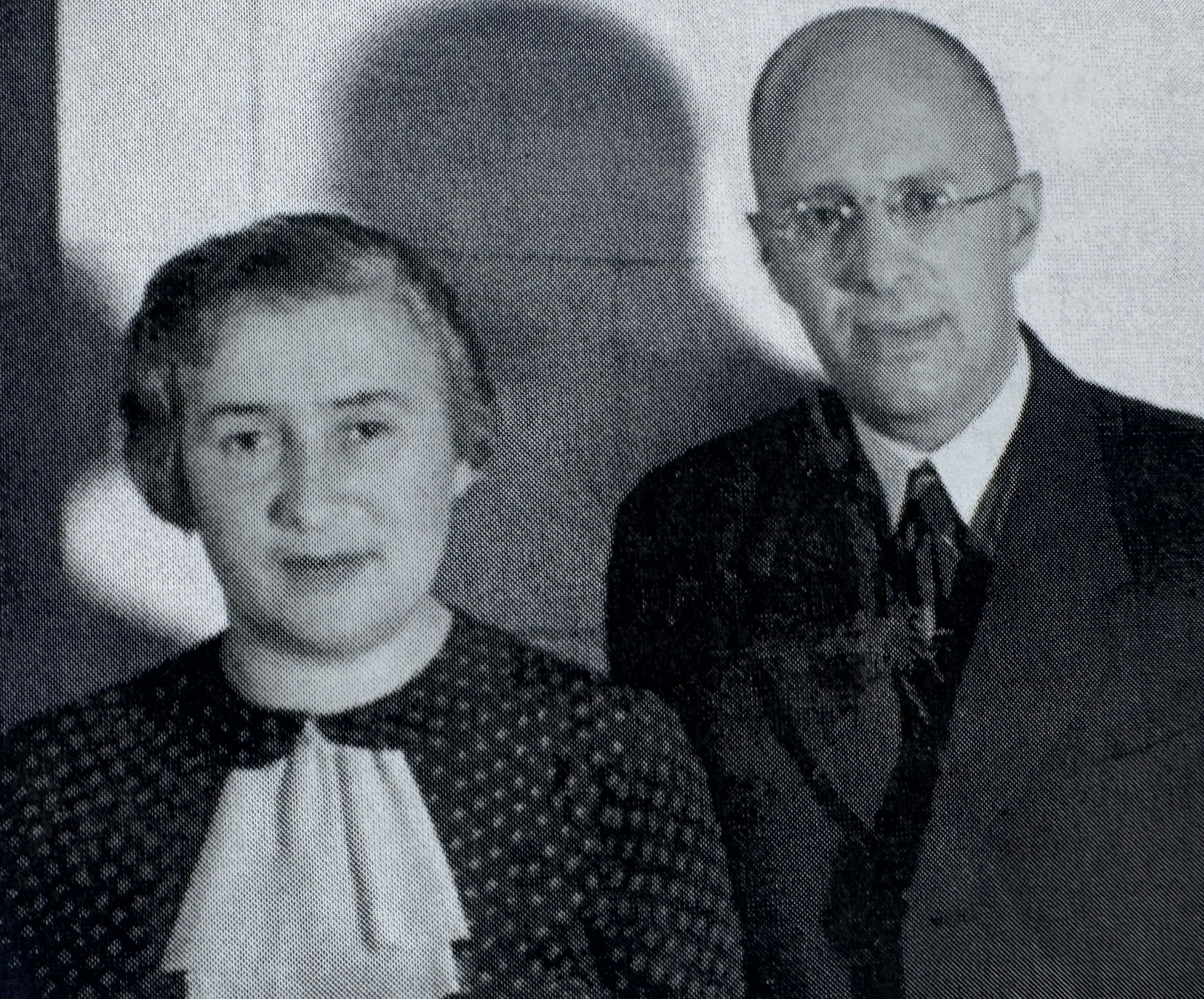
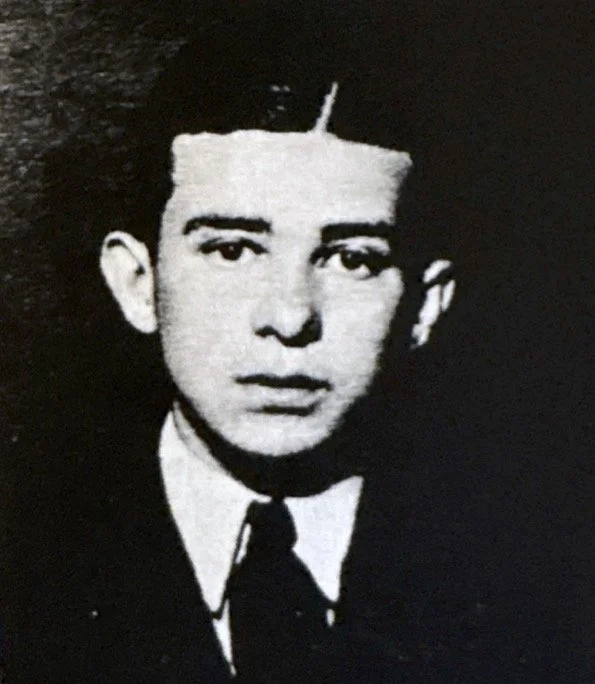
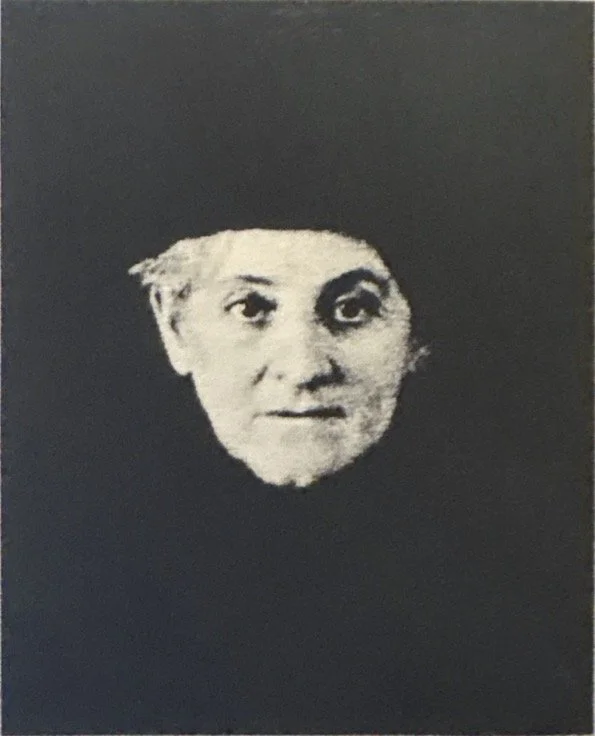
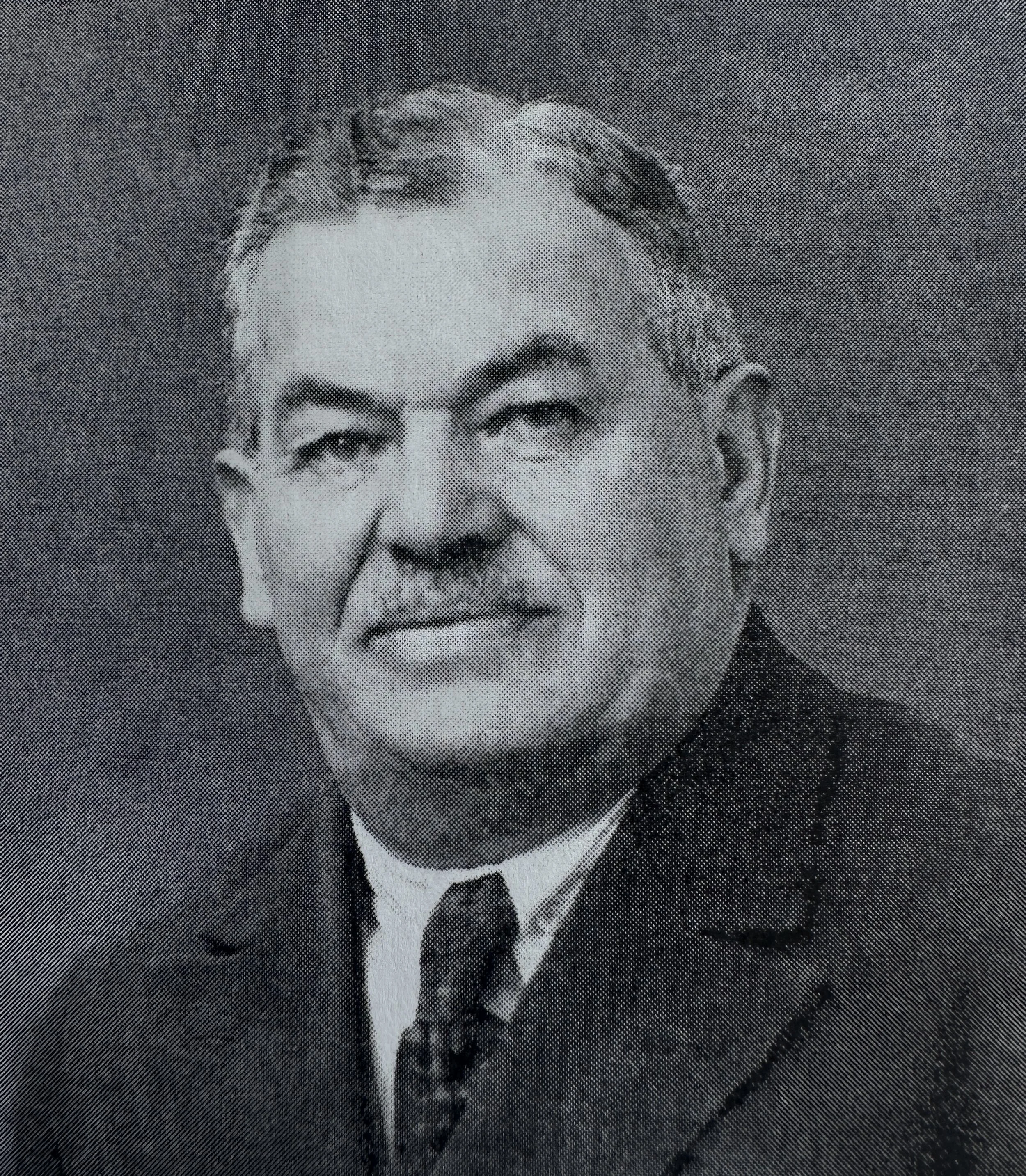
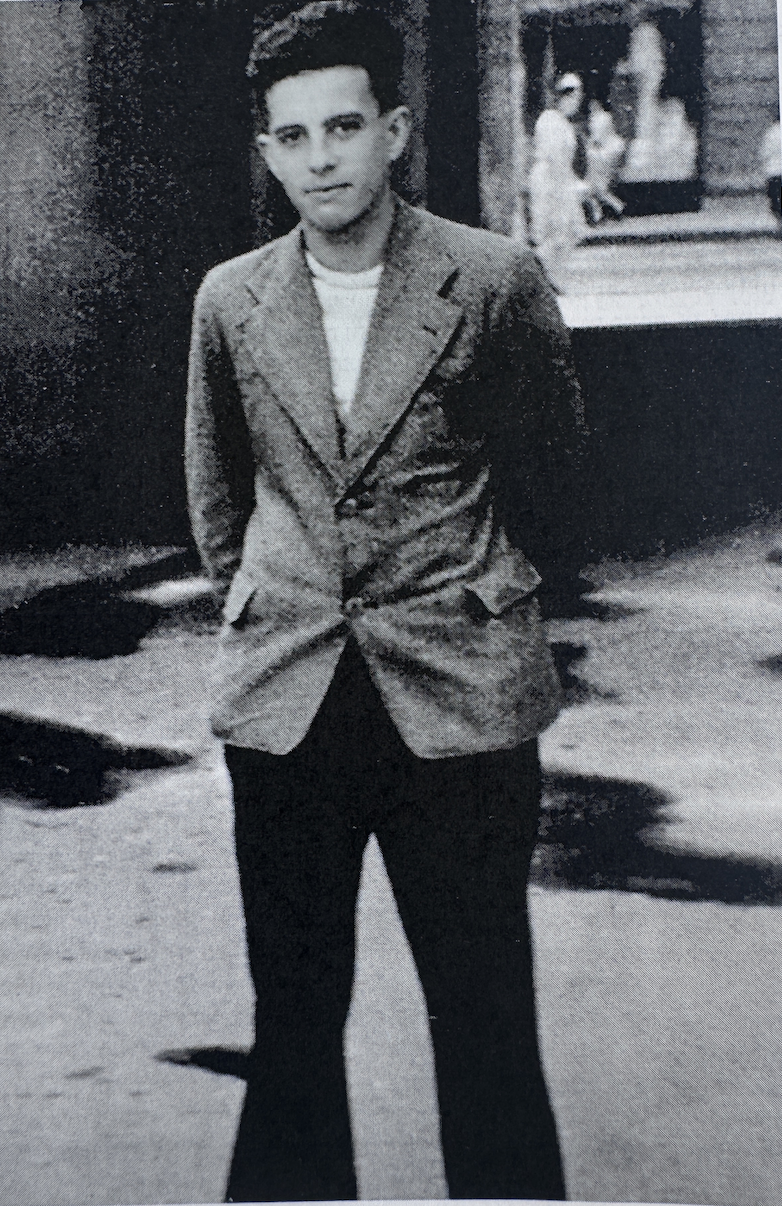
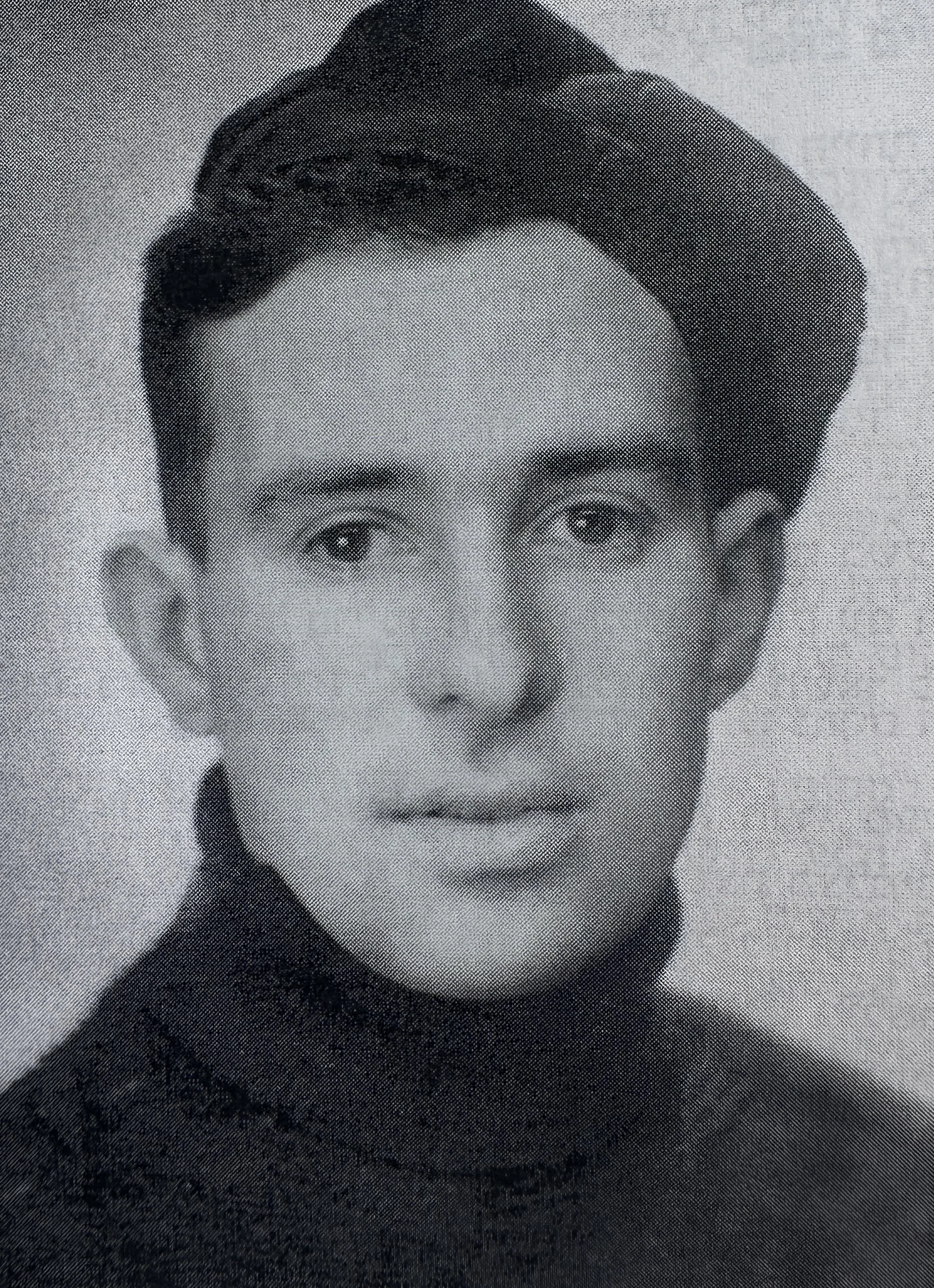
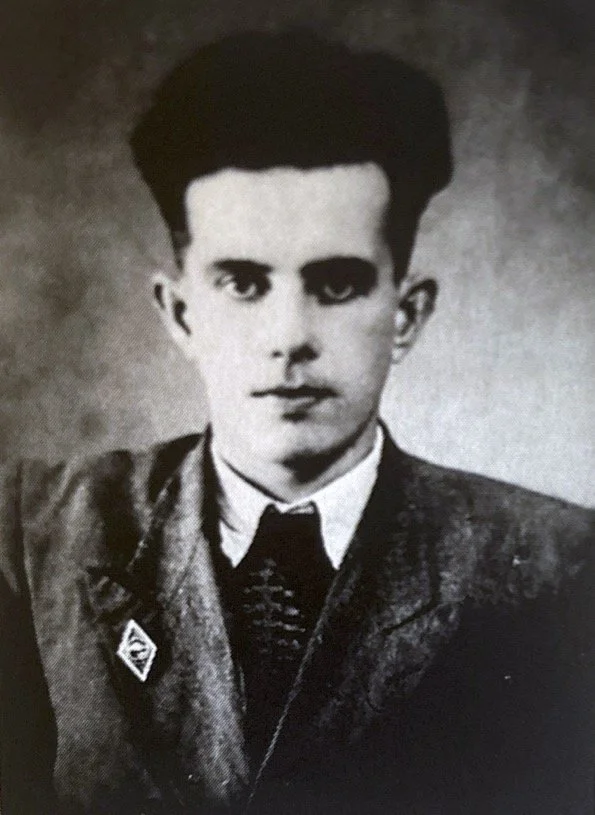
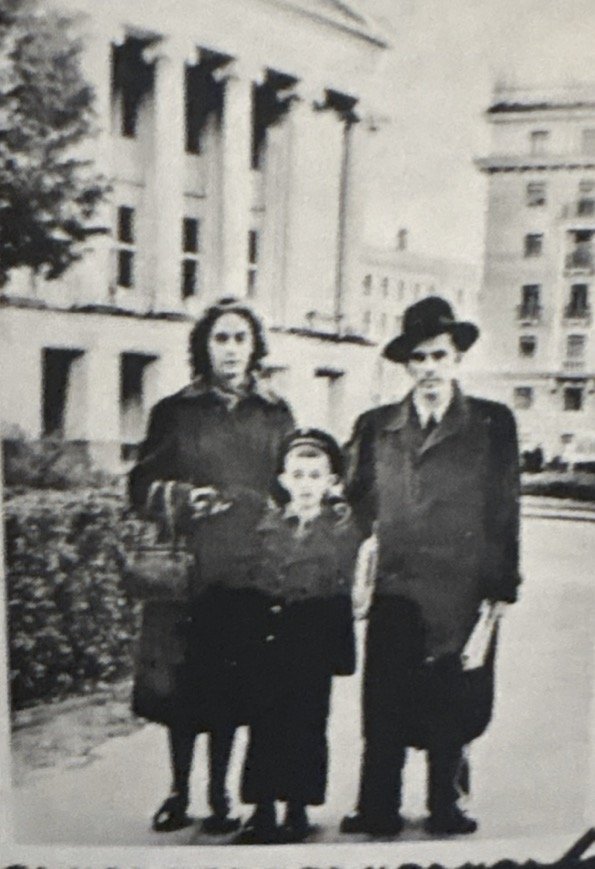
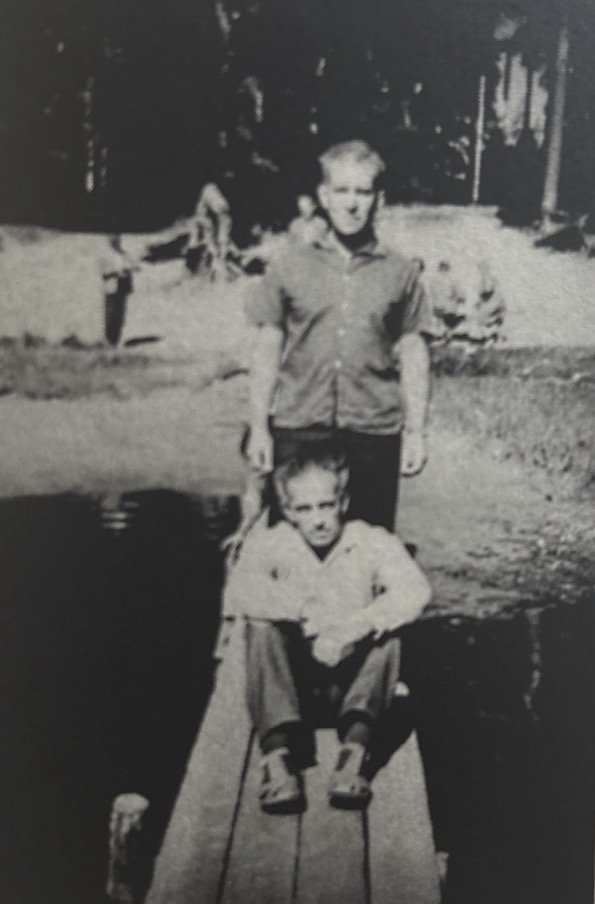
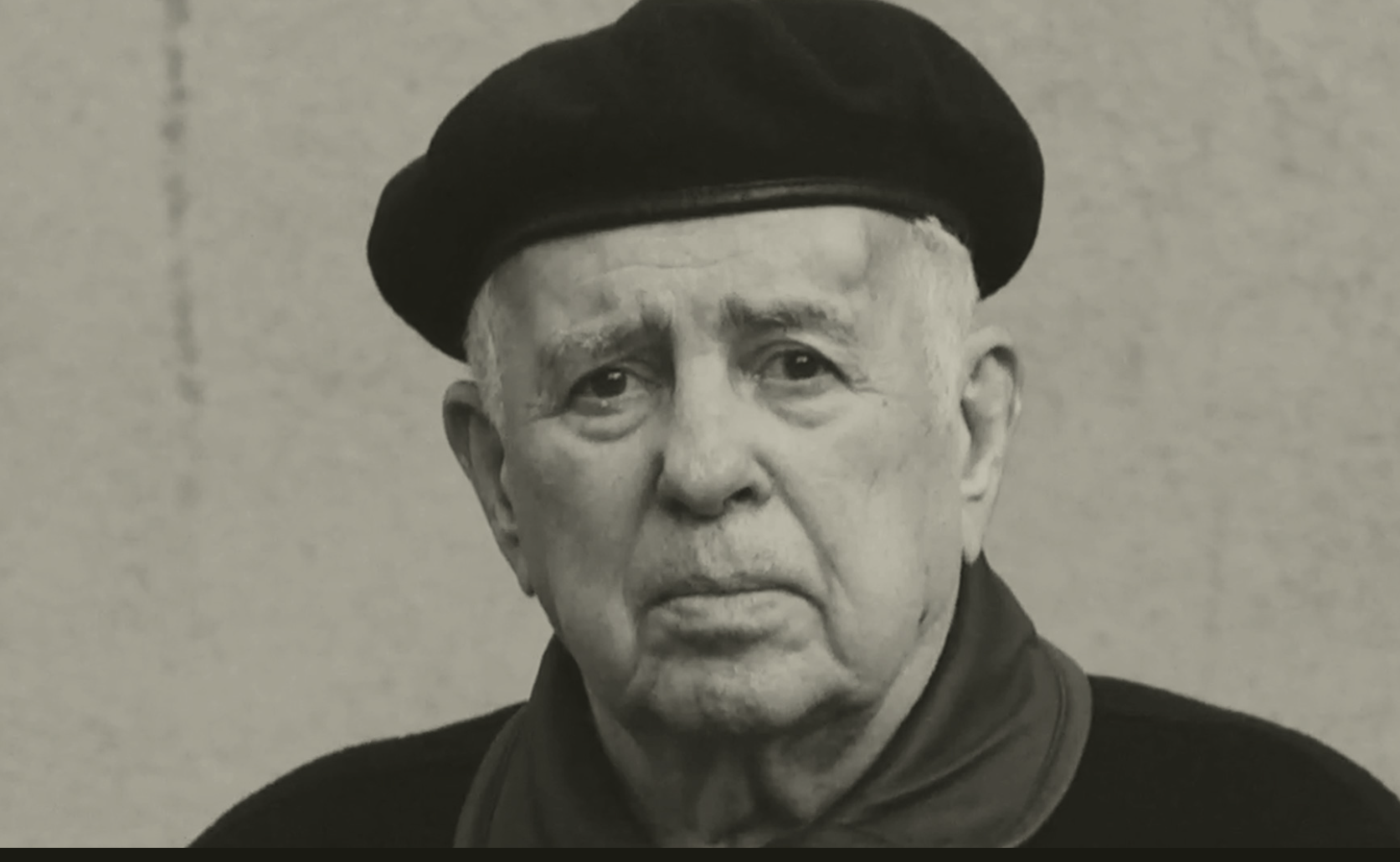
Aleksandr (“Sasha”) Bergman was born on May 30, 1925 in Riga, Latvia to Clara (Gauhman) and Zhanis Bergman. He had an older brother, Mikhail, and a younger brother, Daniel. Although the family was not very religious, Alexander’s father, who studied chemistry, Latin and economics, in addition to speaking 12 languages, was a leader of the Jewish community. As a member of the National Democratic Party, he worked to develop educational opportunities for Latvian Jews, and served as headmaster of the Riga Jewish Public School.
Before the Holocaust, approximately 40,000 Jews lived in Riga, representing around 10 percent of the population. For the most part, they were well-integrated into the broader community while also maintaining a vibrant Jewish cultural life. This changed in June 1940, when the Soviet Union, then an ally of Nazi Germany, occupied Riga. The situation became even more dangerous after Germany invaded the Soviet Union in July 1941.
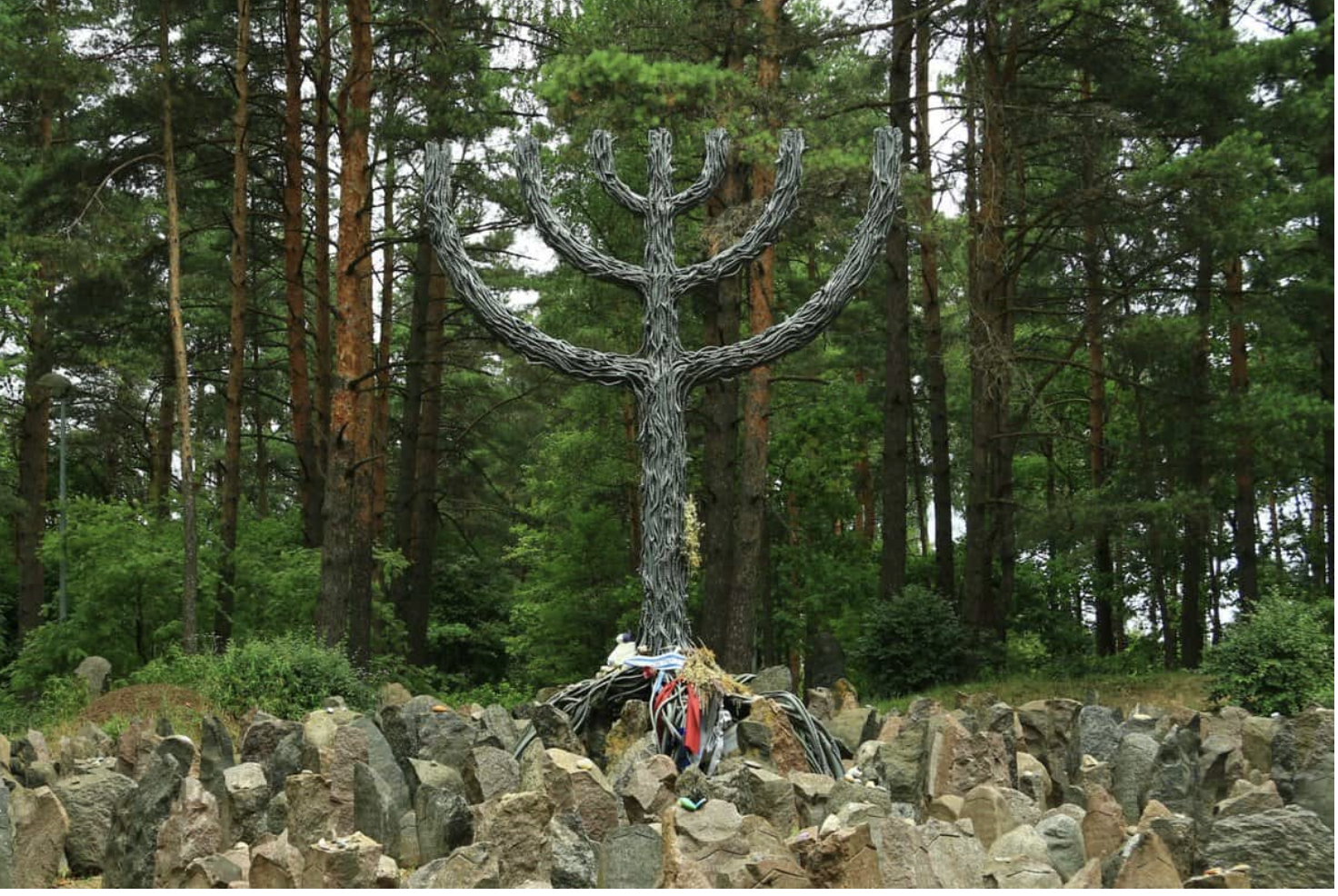
German Einsatzgruppen (mobile killing squads), along with Latvian auxiliaries, swiftly executed several thousand Jews, issued a series of anti-Jewish decrees, and established a ghetto in the southeastern part of the city, which was sealed in October 1941. More than 30,000 people were crammed into the 16-block area, including Aleksndr and his family. At the end of November, the Germans announced a plan to deport the ghetto’s inhabitants further East. In fact, they forced most of them to march nearly five miles in the freezing cold to the Rumbula Forest, where they were shot in cold blood over two days: November 30 and December 8. The setting for one of one of the largest mass executions during the Holocaust was turned into a memorial site in 1964.
Aleksandr’s mother and younger brother were among the roughly 25,000 people massacred. He, his father and older brother were spared, confined with approximately 4,000 survivors still living in Riga to an area that became known as the “small” or “Latvian” ghetto. Around that time, the Nazis deported some 20,000 Jews from Germany, Austria, and annexed portions of Czechoslovakia to Riga, forcing them into what was then referred to as the “big” or “German” portion of the ghetto. The remaining inhabitants were transferred to the Kaiserworld concentration camp, north of the city, from the summer of 1943 through December of that year, when the ghetto was destroyed.
As the Allied forces advanced on the Germans, the Nazis attempted to destroy evidence of their horrific crimes. In Riga, they forced prisoners to reopen the mass graves in Rumbula and burn the bodies, before killing them. They murdered thousands of the Jewish prisoners of Kaiserwald in the summer of 1944, including Alekandr’s father, who was taken from the Balastdamm sub-camp to the forest, where he was executed on August 2. Aleksandr, who was transferred to the Stutthof and then Buchenwald concentration camps in Germany, narrowly escaped death on several occasions. On January 16, 1945, Britain’s Royal Air Force conducted an aerial assault on Magdeburg, the sub-camp of Buchenwald where Aleksandr had been taken. He survived the bombing and was finally free.
Aleksandr returned to Riga, which was liberated by the Soviet army in October 1944. The Jewish community had been decimated. It is estimated that only a few hundred to 1000 Jewish residents of Riga at most survived the Holocaust. Aleksandr and his older brother Mikhail were the only members of their immediate family to survive.
Aleksandr married Josephine Isaacson, a fellow Jewish survivor from Riga, and they had two children, Jean and Eleanor. Josephine survived the war with her father, Ilya, mother, Mina, and sister Bella, by fleeing east as Soviet forces encroached on Latvia. A relative working as a foreman at a factory in the Russian city of Chelyabinsk encouraged them to join him, and they benefited from his slightly larger rations and other privileges. Josephine also had a large extended family, the vast majority of which perished in the Holocaust. Josephine’s mother, Mina, had 11 siblings and most of their large, extended family, including aunts, uncles and cousins, perished during the Holocaust.
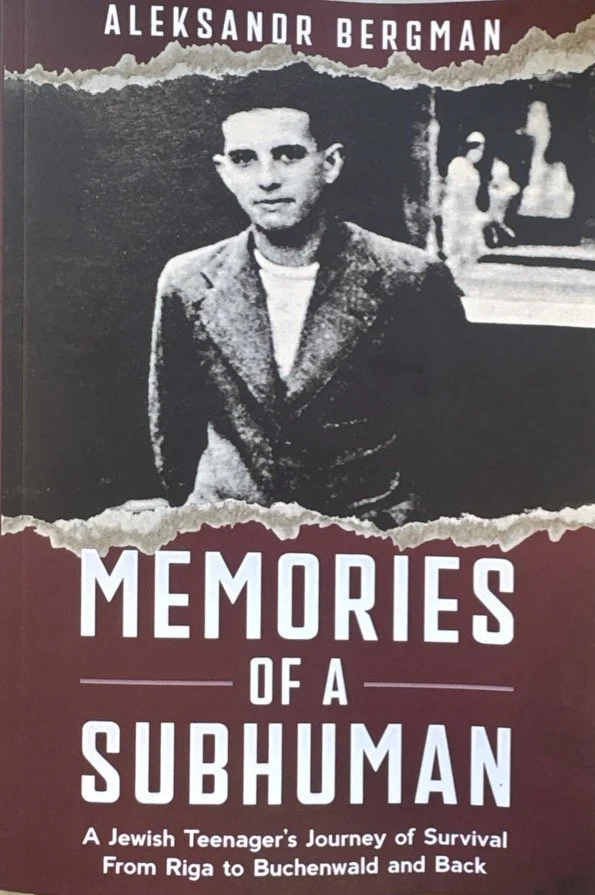
Aleksandr went on to become one of the most sought-after lawyers in Latvia. As President of an association representing Holocaust survivors from Riga, he also led efforts to financially support indigent survivors from the region, negotiated with the German government to provide reparations for Riga’s survivors, who were unable to apply for compensation during the Cold War, and played a major role in getting Latvia and Germany to confront their actions during and after the Holocaust. Aleksandr wrote about his experiences in a 2005 memoir, Zapiski Nedocheloveka (Notes of a Subhuman), which was translated into Hebrew, German and, most recently, English, as Memories of a Subhuman. His efforts to document the Holocaust in Latvia, in partnership with historian Marģers Vestermanis, were captured in the 2001 documentary, Die Präsidenten (The Presidents).
Josephine passed away in January 1988. Aleksandr passed away in Riga on January 12, 2016, but his legacy lives on through his commitment to telling the story of what happened to the city’s Jews during the Shoah. Although it wasn’t enacted during his lifetime, the 2022 “Goodwill Reimbursement” law, which acknowledged and sought to repair the harm done to Latvia’s Jews during the Nazi and Communist eras, was no doubt made possible by his lifelong commitment to this cause.
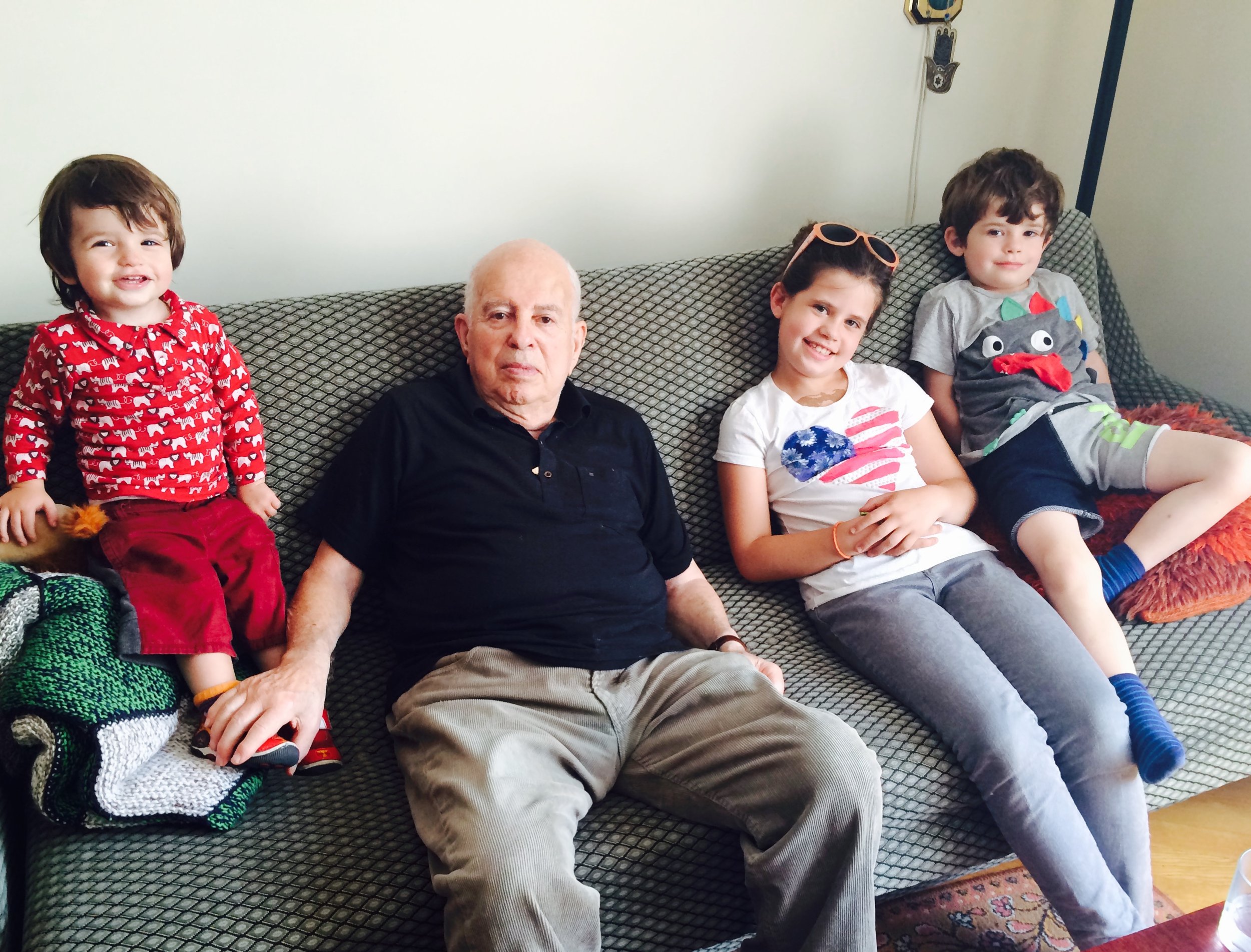
Josephine and Aleksandr had one grandchild, Donna Bergman, named for Alexander’s younger brother, Daniel, who was just 13 when he was murdered. She is the mother of Emma (Heschel ‘24), Eli (Heschel ‘28) and Levi Rashkovich.