Sally Frishberg
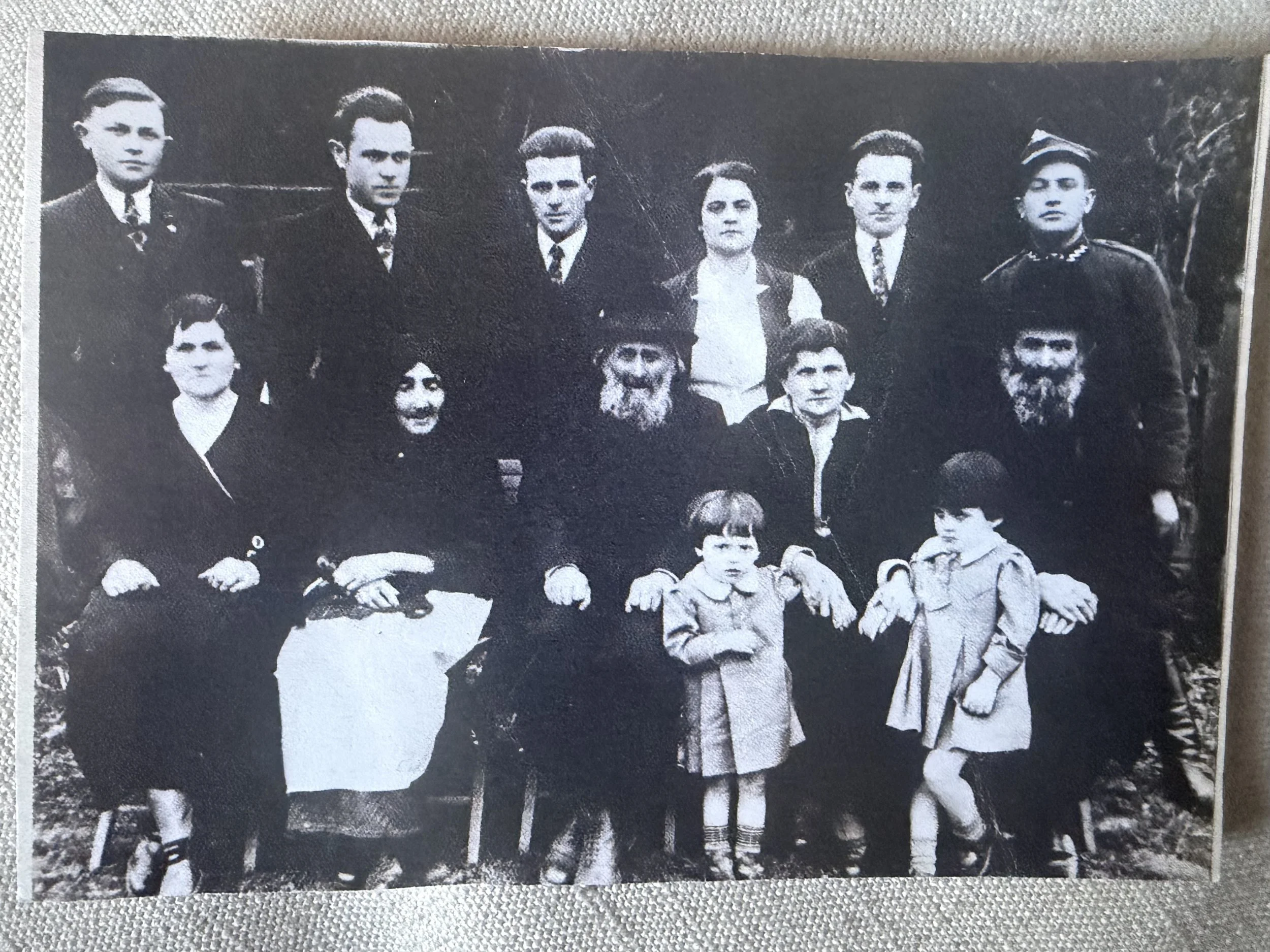
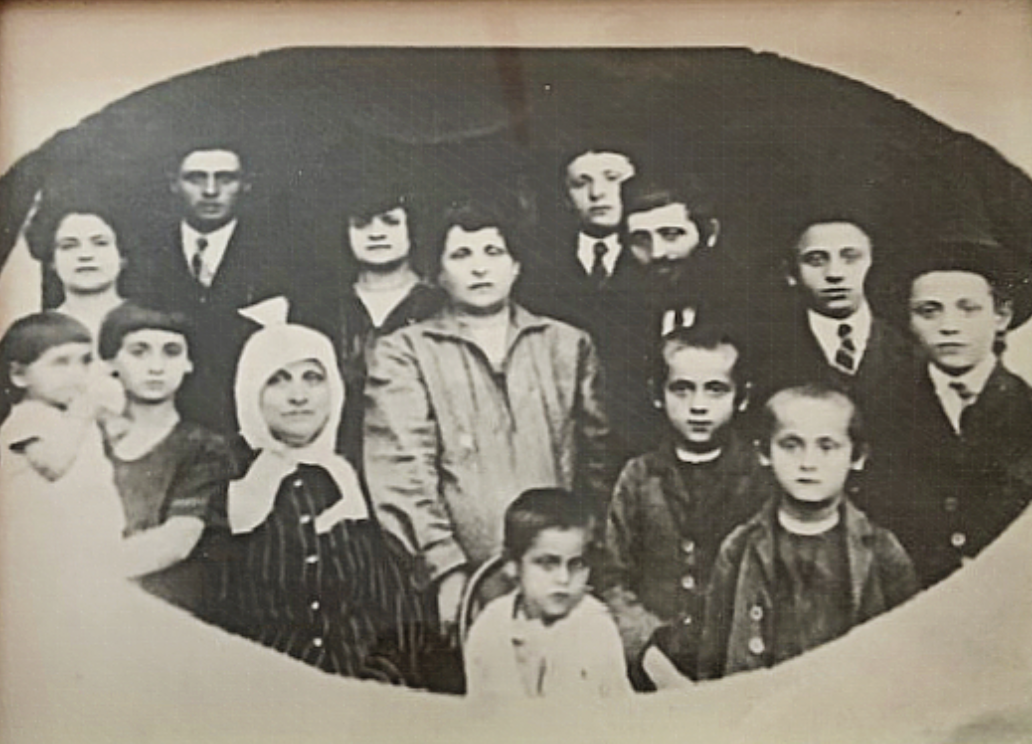
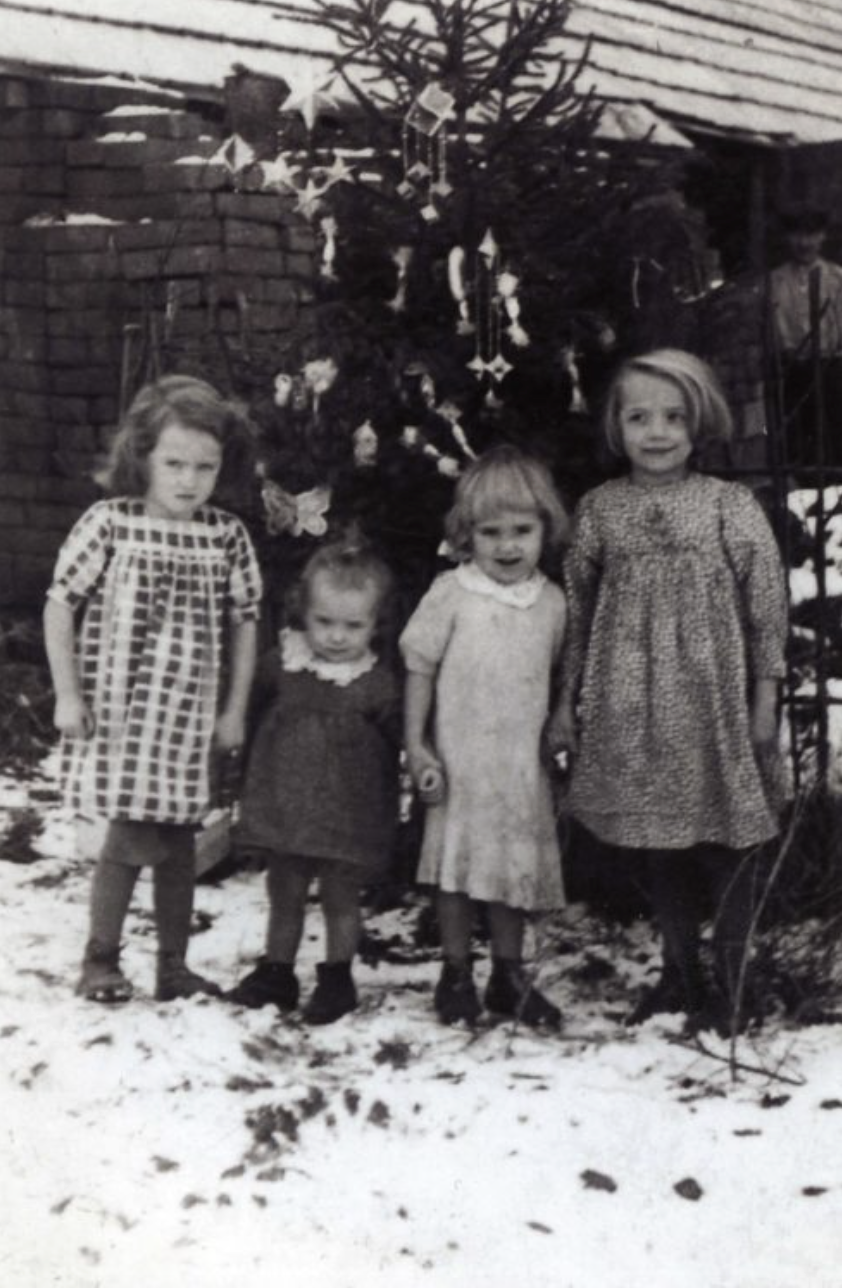
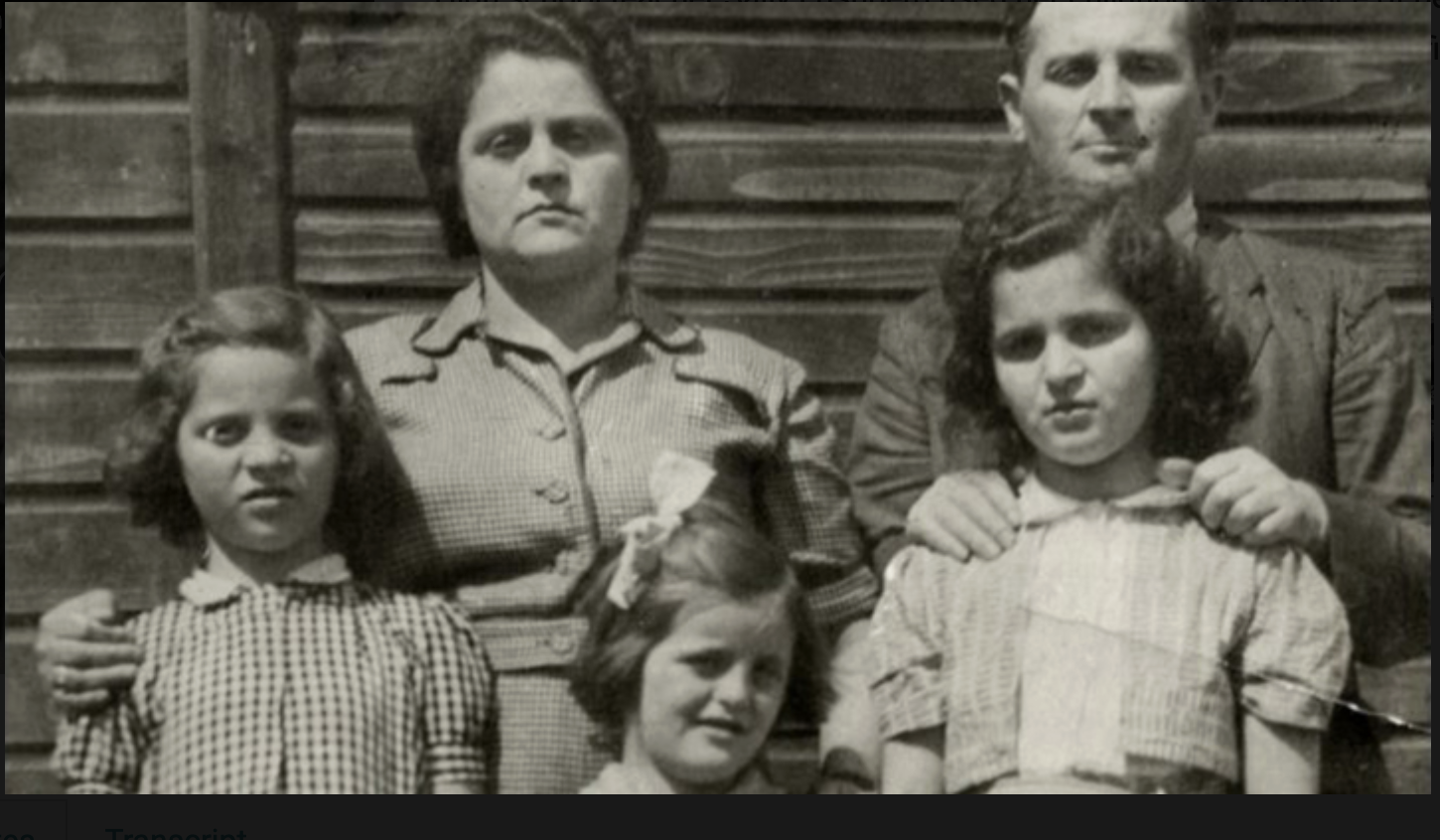
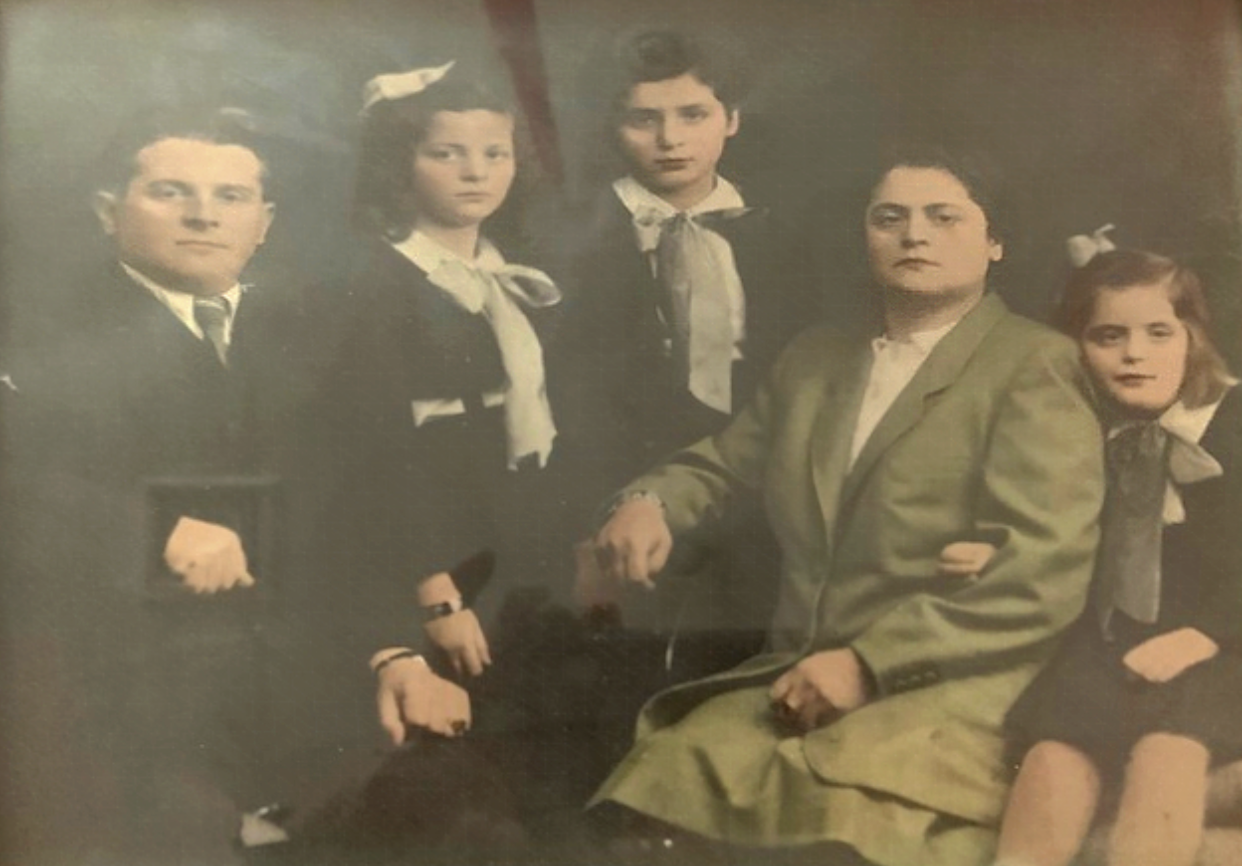
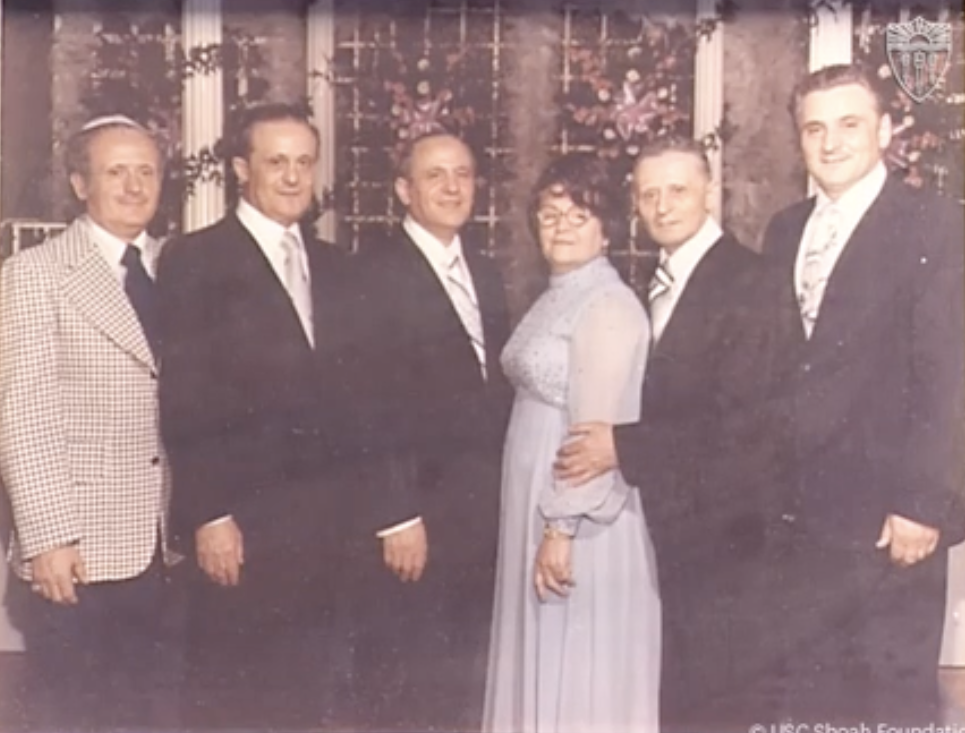
Sala (“Sally”) Frishberg was born on April 16, 1934 in Urzejowice, a rural village near the town of Przeworsk in southeast Poland, to Tsivia (“Celia”) and Leibush (“Leon”) Engelberg. She had four younger sisters: Manya (“Miriam”), Leah (“Lola”) and twins Feige and Pia. Despite some antisemitism, the family generally had warm relations with their Polish Catholic neighbors. In fact, one of these relationships would later prove to be invaluable in helping the Engelberg family survive the Holocaust.
Following the German invasion of Poland in September 1939, life for the country’s Jews became more precarious. Pia, then a baby, died because she was unable to access necessary medical care, and the situation escalated in the summer of 1942, when Jewish residents of the region were ordered to report to the local train station. Sally’s maternal grandfather, Aharon, who followed this order, was shot in a mass grave. (Her maternal grandmother, Paya Neshe, died before the war.) However, Sally’s father fled with his family to the fields, accompanied by one of her mother’s five brothers, Isaac (“Yitzhak”) Gamss, his wife Leah, and their three children, Ruchel (“Rita”), Sara, and Nachum. They hid outside for several months, sleeping under the stars and living on whatever food they could find or steal from farms in the area.
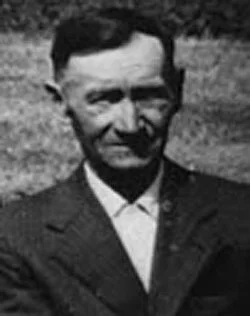
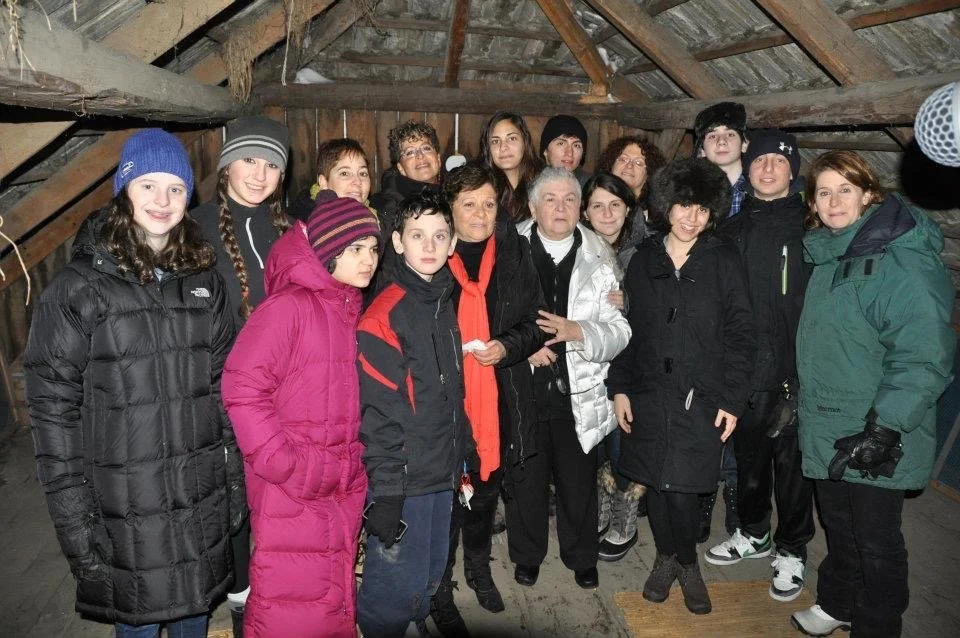
During this time, Tsivia and Yitzhak’s childhood friend Stanislaw Grocholski searched for them, having not forgotten how their family had cared for him when he was orphaned at a young age. For several weeks after he found them, he brought them food and news of the war, but as the weather got colder, staying outside became more difficult. Stanislaw convinced his wife, Maria, to shelter the 11 family members in their home. For a poor family to take so many people in and secretly help care for them was costly and risky but with reassurances of ample financial support and Stanislaw’s pleas to help the family that had supported him, Maria agreed. The family was placed in a dark and narrow attic, where they had to remain silent because not even the Grocholskis’ children were told of their presence.
It was a struggle to survive in a small countryside village where everyone knew everyone and Polish peasants feared collective punishment for hiding Jews. Moreover, it was extremely difficult for the Grocholskis to procure food and water for so many people, especially during the war, in addition to emptying waste buckets without being detected. Maria cooked what little food she could get, usually beans or potatoes, and at night, after everyone had gone to sleep, Stanisław would climb a ladder and bring up the food along with a bit of water, and empty the buckets that served as chamber pots. The Grocholskis were wary of drawing attention by pumping large quantities of water from the village well, so the family members were plagued by thirst, especially during the summer months. When the weather turned cold again, they were moved to an animal shed so they could stay warm. That winter, Stanislaw informed Tsivia and Yitzhak that their four single brothers —Mordechai, Ben-Zion, Avraham-Chaim and Nachum — were hiding in a nearby forest. They begged Stanislaw to let them join them, knowing that they would not be able to survive the freezing weather outside. Grocholski agreed, bringing the number of hiding Jews to 15.
The relentless danger and emotional stress sent Stanislaw’s wife, Maria, to the edge of a psychological breakdown, and on more than one occasion, Stanislaw told the family that they would have to leave. But the bond between them helped them endure these extremely difficult circumstances. Unfortunately, Yitzhak’s son, Nachum, died under those conditions, followed shortly afterwards by his wife, Leah. When Feige Engelberg’s health also deteriorated, she was taken to the local church and left at the gates, in the hope that someone would take her in. They never saw her again and believe that she did not survive.
When the region was liberated by the Soviet army in August 1944, Sally and her relatives could barely walk from having lived cramped in an attic for two years, and Stanislaw implored them to never reveal who had hidden them for fear that there would be repercussions. The Engelbergs moved from one Displaced Persons (DP) camp to another, until they were able to emigrate to the United States in 1947 with the help of Sally’s uncles who had come to America before the war.
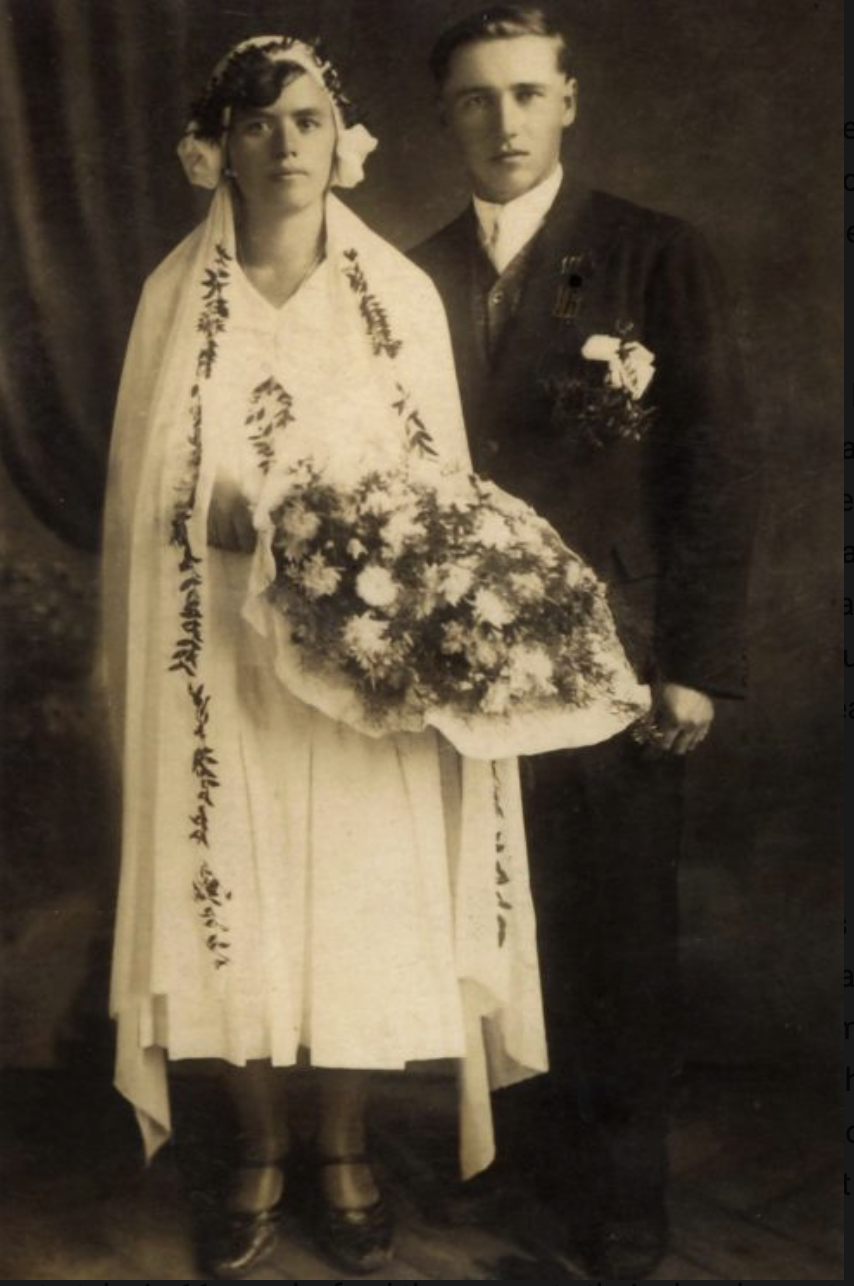
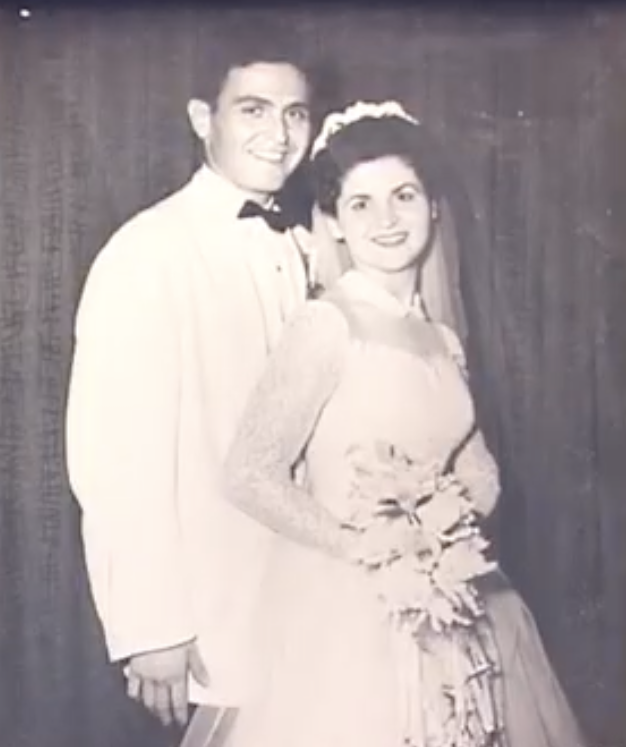
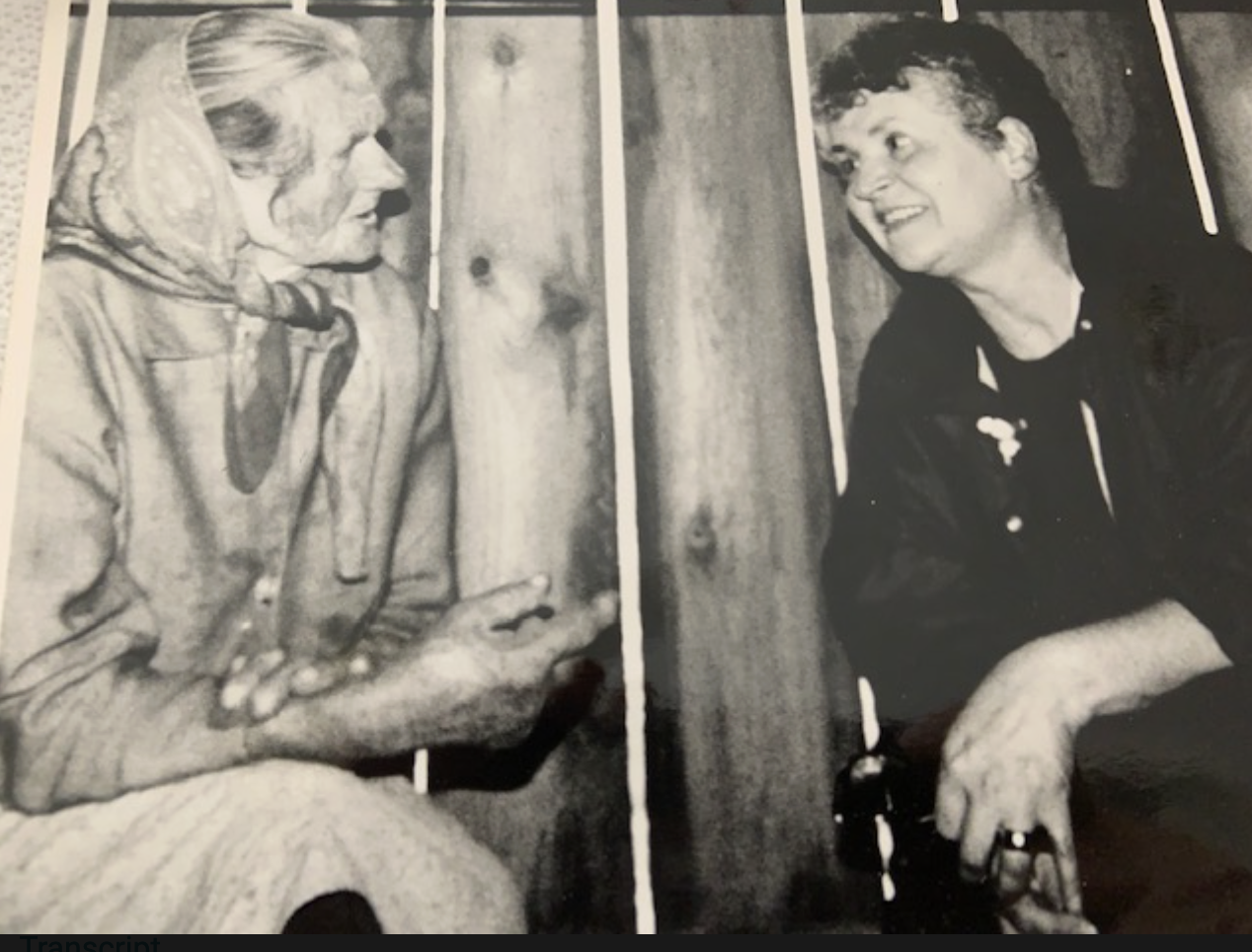
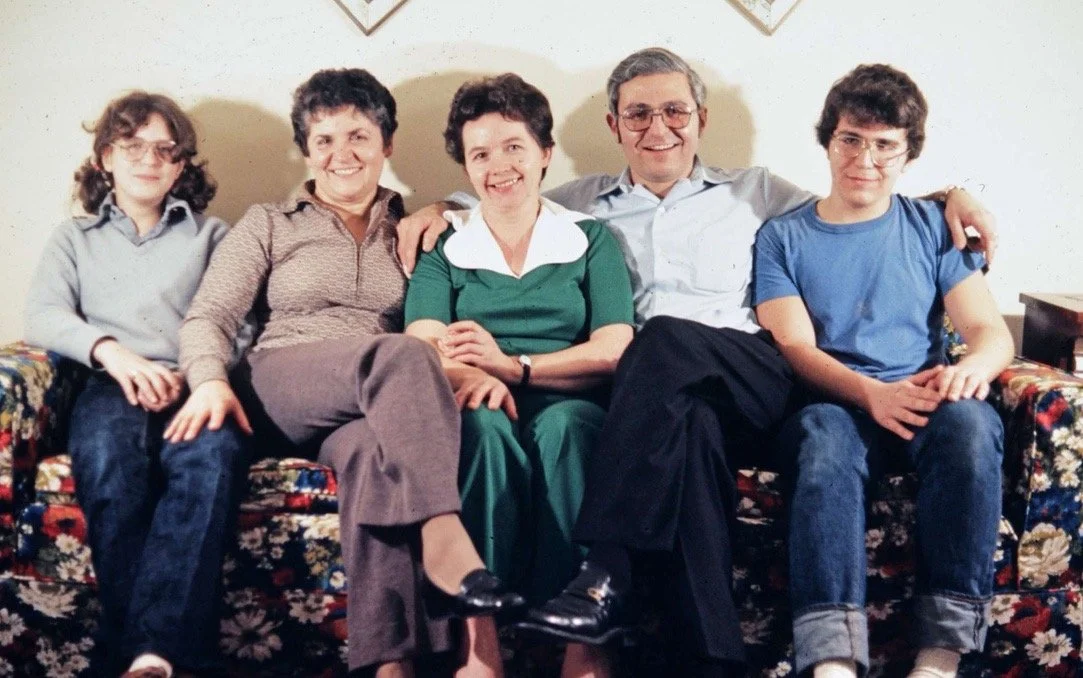
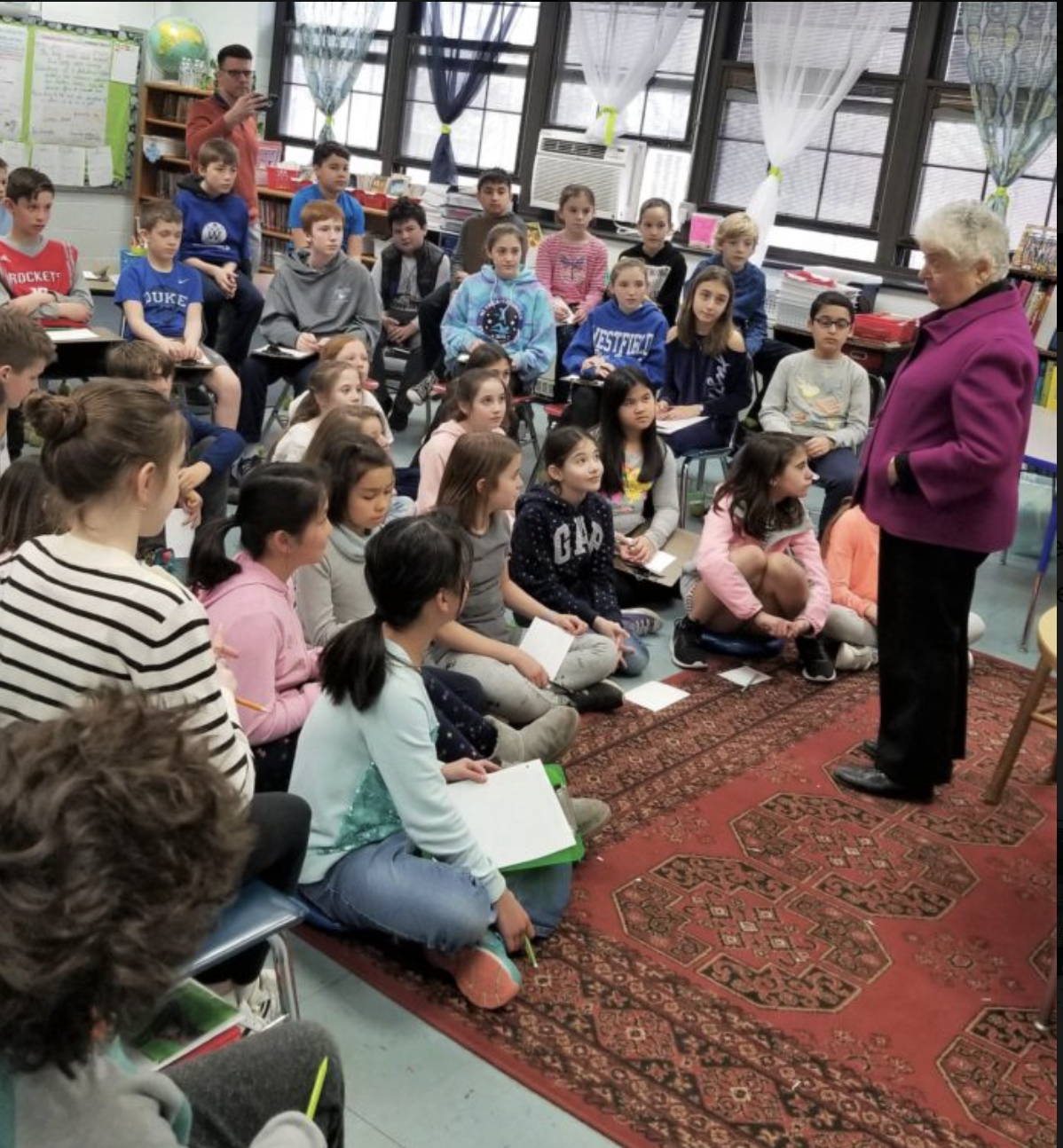
Sally married Kenny Frishberg in 1955, and they had two children, David and Leslie. She became a respected high school teacher in Brooklyn, where she created one of the first public high school classes on the history of the Holocaust. In 1988, Sally’s niece, filmmaker Debbie Goodstein, released Voices from the Attic, a documentary that captured the trip that she and her aunt Sally took to Poland to revisit the family’s wartime hiding place. Following her teaching career, from 1958 to 1991, Sally was a Gallery Educator at the Museum of Jewish Heritage in Manhattan. She regularly speaks to students about her experiences during the Holocaust and, in 2005, she was awarded the Yavner Award for Excellence in Holocaust Education by the State of New York.
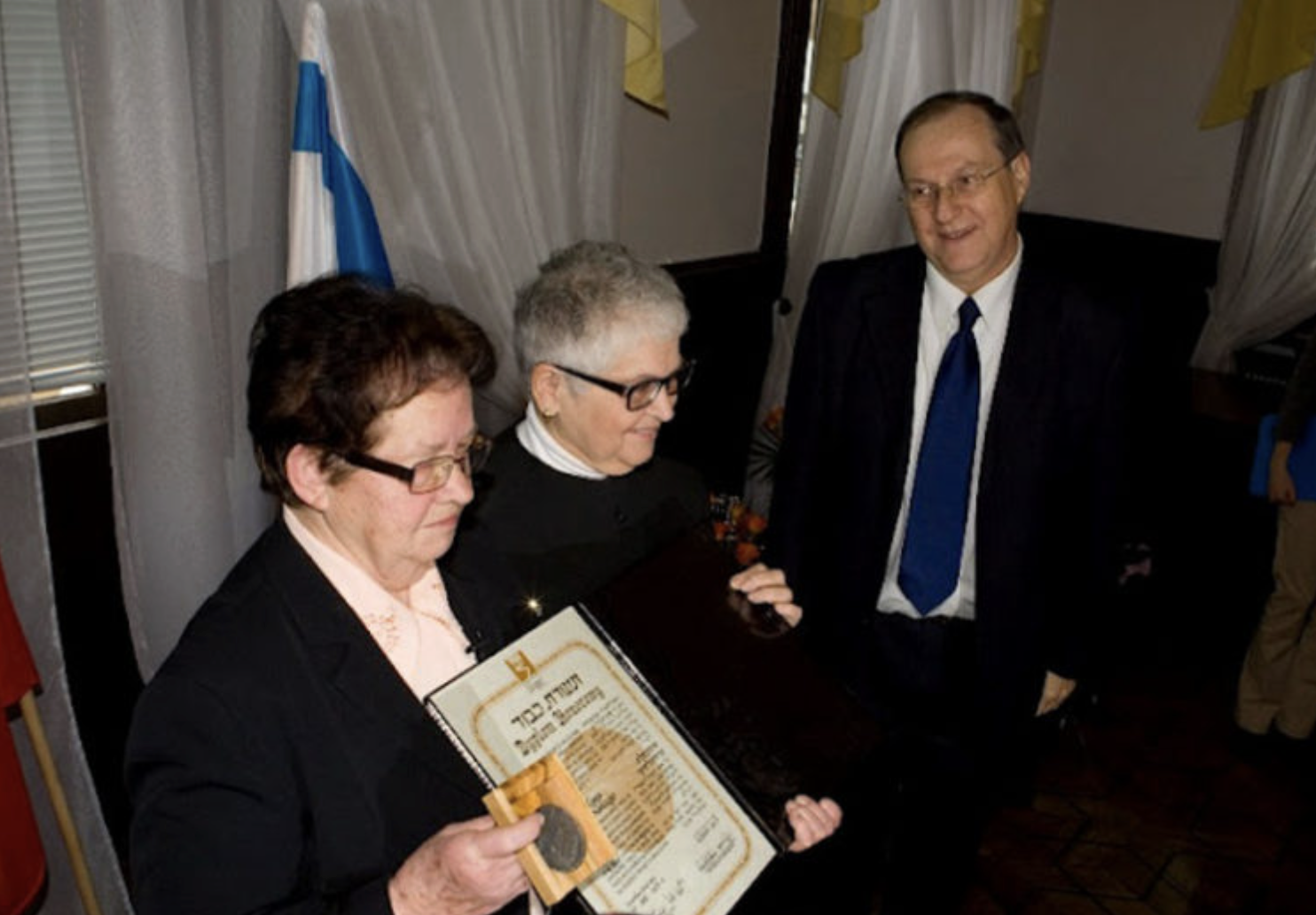
Over the years, Sally Frishberg also never stopped trying to get Yad Vashem to recognize the Grocholskis as righteous gentiles. Eventually, in 2012, long after Stanislaw Grocholski passed away, Yad Vashem conferred the recognition of Righteous Among the Nations on his widow and children.
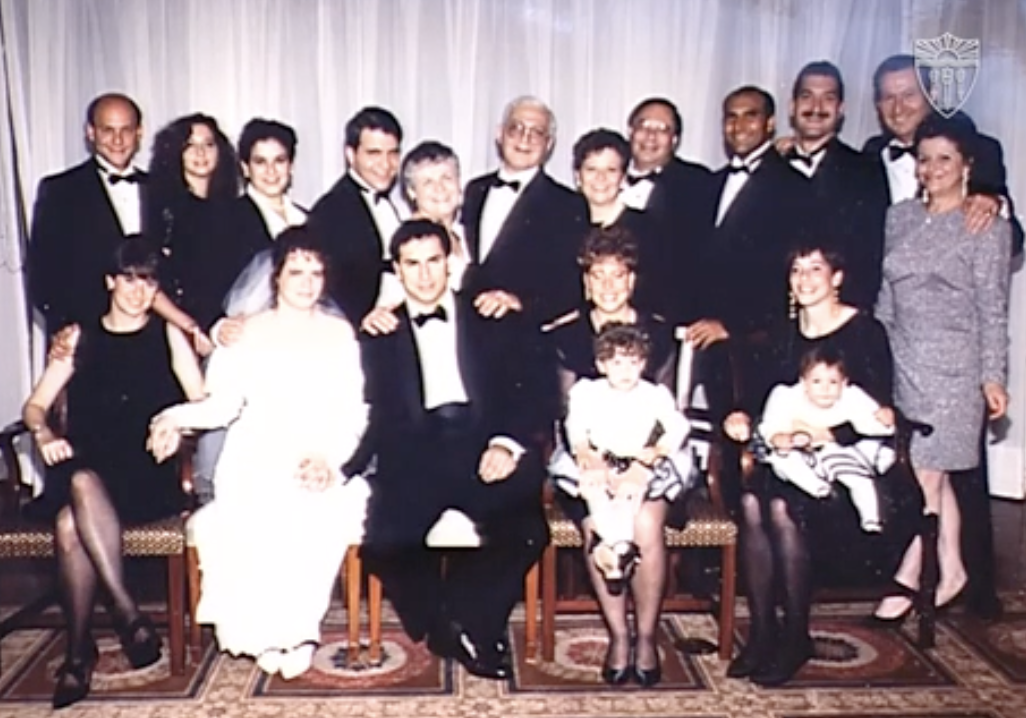
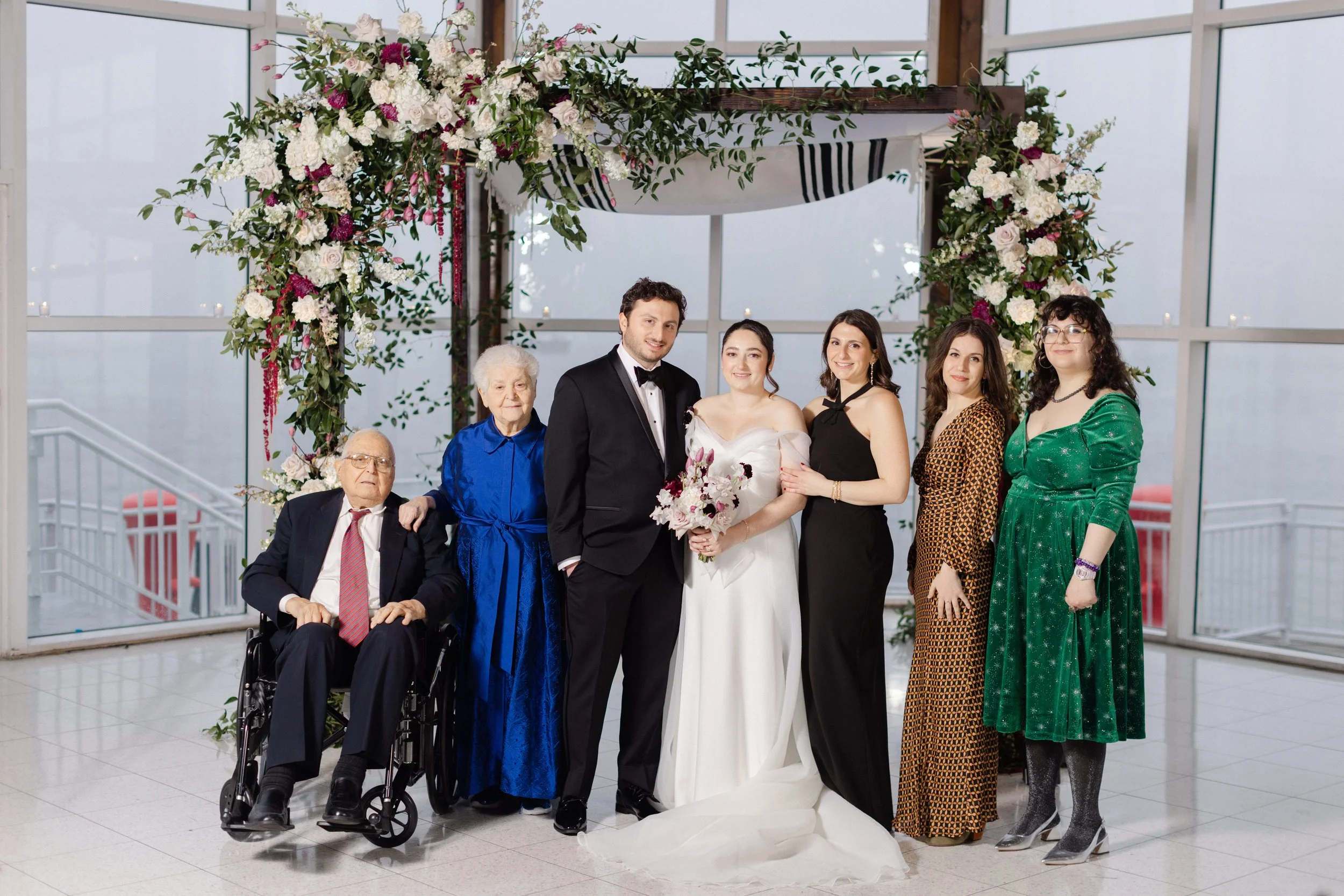
Sally and Kenny had a son, Jack, and a daughter, Leslie, who served for many years on the Heschel Holocaust Commemoration Committee. They have four grandchildren, Hannah and Bernie Frishberg, and Lee (MS ‘09) and Fanny (HS Class of ‘15) Wolfowitz.